Dynastic Ancient Egypt
Explore The Age of Pharaohs
Discover the people, places, primary evidence and latest studies connected with this chapter of Egypt's story.
Discover the era through real evidence
Select an image to discover the people, sites and source-based studies behind it.
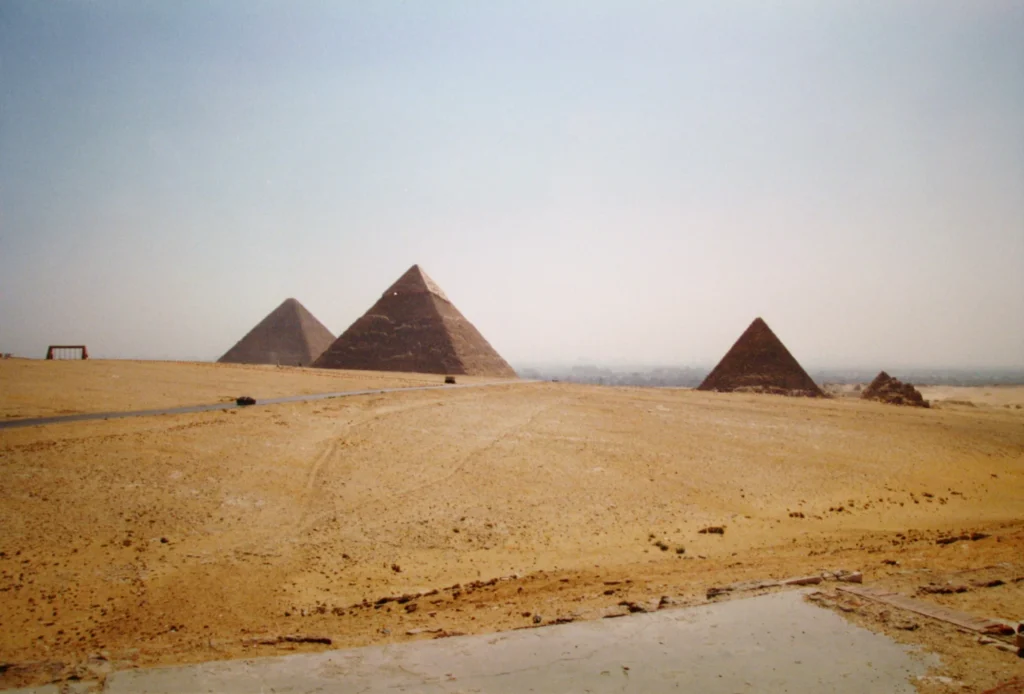 Photo details and credits in the linked study
Explore the encyclopedia by subject
Browse this period by theme
Studies from this historical period
This selection updates from published research in the period collection.
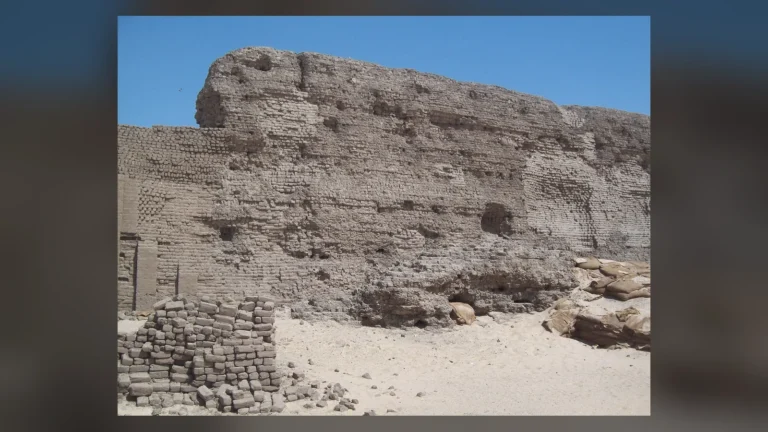 EXPLORE THE EVIDENCEShunet el-Zebib: How Khasekhemwy Built a Monumental Mudbrick Enclosure at AbydosRead study ↗
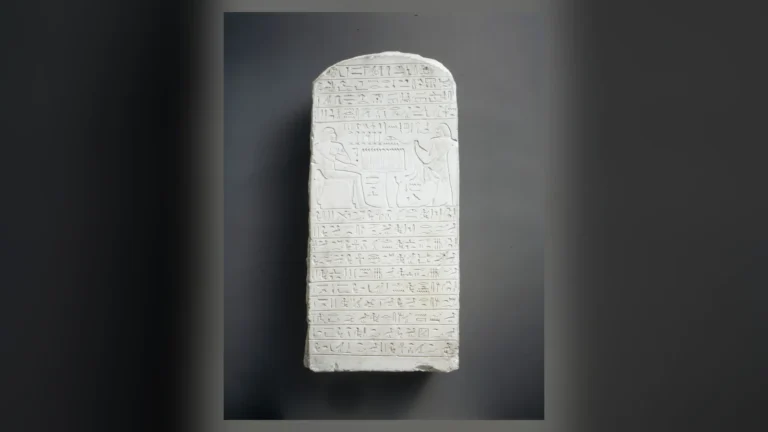 EXPLORE THE EVIDENCEAbydos Pilgrimage: Why Middle Kingdom Families Built Chapels for OsirisRead study ↗
 EXPLORE THE EVIDENCEAbusir Papyri: How Neferirkare’s Temple Recorded Priests, Offerings and Missing DutiesRead study ↗
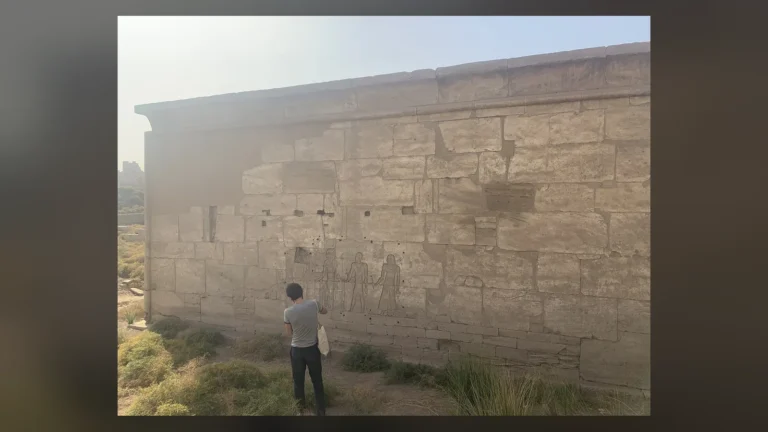 EXPLORE THE EVIDENCEBefore Karnak’s Columns: The Nile Island Beneath Egypt’s Great TempleRead study ↗
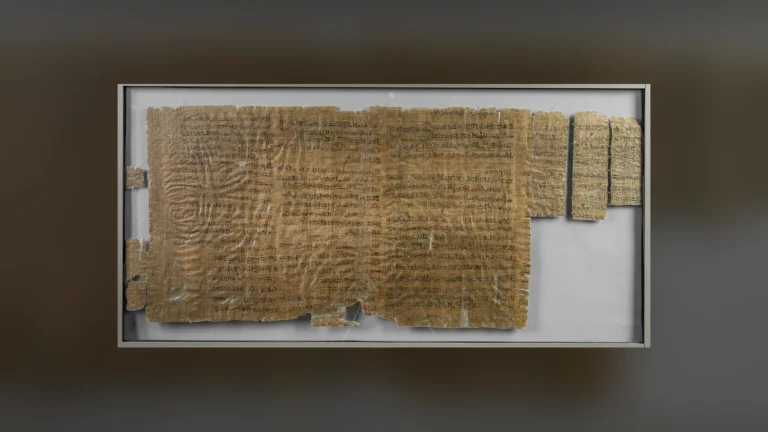 EXPLORE THE EVIDENCEWhen the Pharaoh Could Not Pay: Deir el-Medina’s Strike in the Turin PapyrusRead study ↗
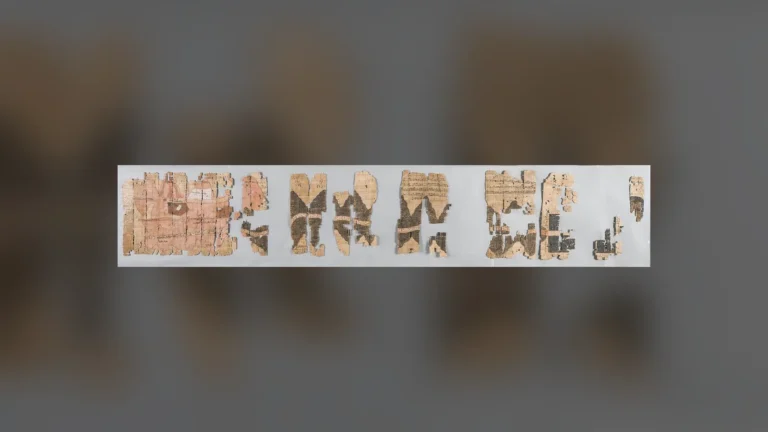 EXPLORE THE EVIDENCENot Just a Gold Mine: The Turin Papyrus and Egypt’s Map of a Stone ExpeditionRead study ↗
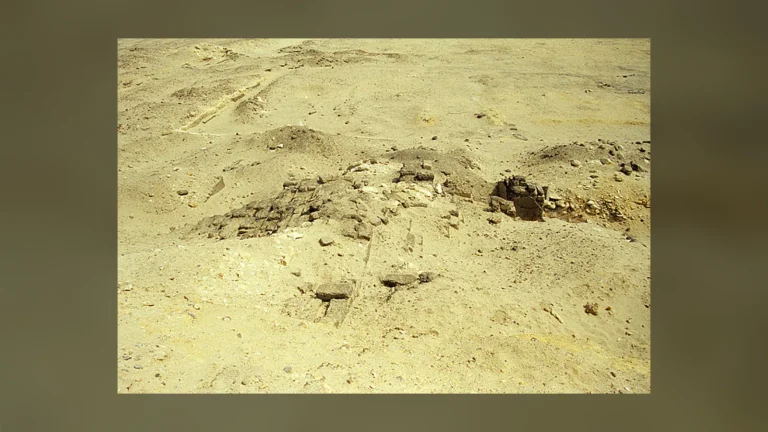 EXPLORE THE EVIDENCELahun Beyond the Pyramid: A Planned Town, Unequal Houses and Papers from the RubbishRead study ↗
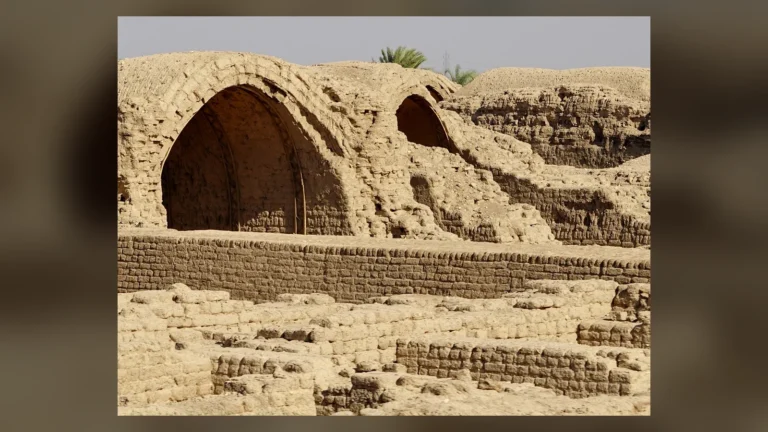 EXPLORE THE EVIDENCEBehind the Ramesseum’s Columns: Wine Stores, Workshops and a House of LifeRead study ↗
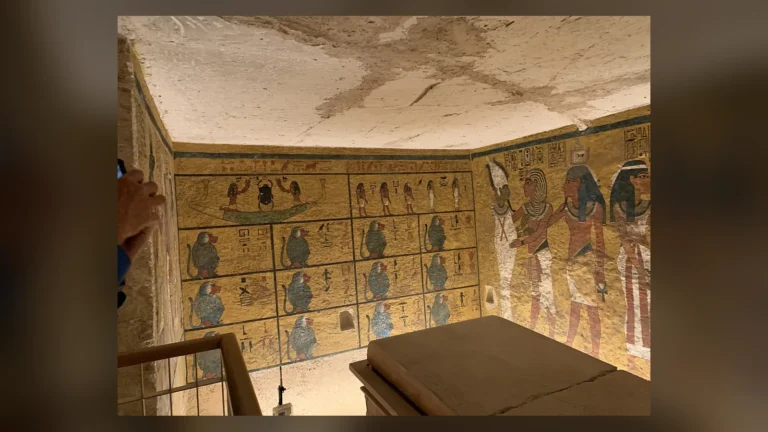 EXPLORE THE EVIDENCEInside Tutankhamun’s Tomb KV62: What Was in Each of Its Four Rooms?Read study ↗
Explore ancient places today
Historical overview, sources & further reading

From early kingship to the arrival of Alexander, the pharaonic centuries witnessed extraordinary changes in political power, religious thought, artistic production and the landscapes of the Nile.
A history of kingdoms and transitions
Dynastic history is often organized into the Early Dynastic Period, Old Kingdom, Middle Kingdom, New Kingdom and intermediate periods. These names are modern scholarly tools, not labels used uniformly by ancient Egyptians. The boundaries are approximate, and a period of political division was not necessarily an absence of artistic or cultural achievement.
Architecture and political authority
The Old Kingdom saw monumental pyramid projects, including Djoser’s complex at Saqqara and the royal cemeteries at Giza. In later periods, temples, administrative institutions, elite tombs and settlements illuminate different aspects of power and work. Monumental buildings reflect resources and ideology, but cannot stand alone as a complete account of how ordinary people lived.
Writing, literature and religious thought
Hieroglyphic, hieratic and later demotic sources preserve different registers of administration, religion and cultural expression. Funerary compositions such as the Book of the Dead changed over centuries and survive in manuscript variants. They should not be treated as a single fixed text or as a modern report of supernatural events.
How to explore the existing encyclopedia
The ancient-history collection already connects rulers, dynasties, archaeology, genuine objects, historical texts and tools for visitors. These published resources remain at their original links; the broader chronology places them in a history that extends far beyond the end of pharaonic rule.
Evidence & further reading
The period boundaries and historical framework are checked against the National Museum of Egyptian Civilization and the Ministry of Tourism and Antiquities. More detailed articles distinguish surviving evidence, interpretation and modern artistic reconstruction.