Modern & Contemporary Egypt
Explore Modern & Contemporary Egypt
Discover the people, places, primary evidence and latest studies connected with this chapter of Egypt's story.
Discover the era through real evidence
Select an image to discover the people, sites and source-based studies behind it.
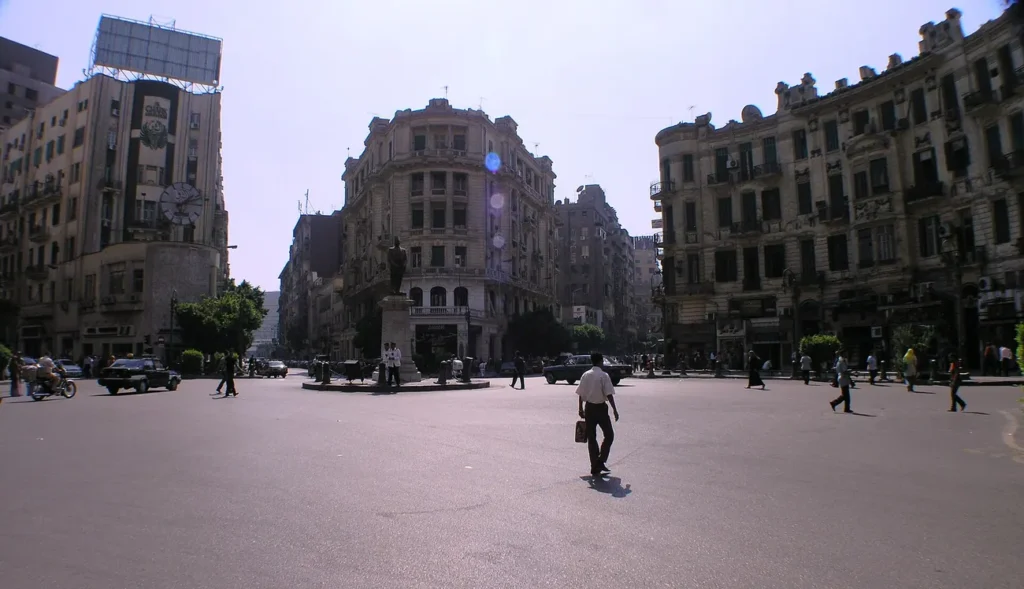 Photo details and credits in the linked study
Browse this period by theme
Studies from this historical period
This selection updates from published research in the period collection.
 EXPLORE THE EVIDENCEGhamrin and Teta, August 1798: Investigating Village Resistance to NapoleonRead study ↗
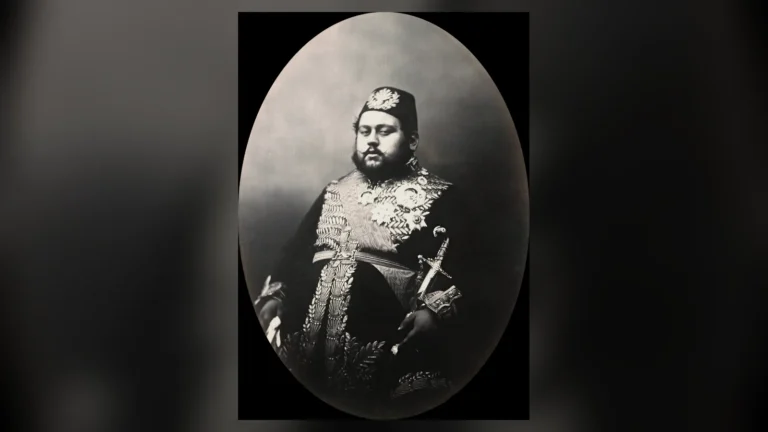 EXPLORE THE EVIDENCEHow Egypt’s Debt Crisis Cost Ismail Pasha Control of His GovernmentRead study ↗
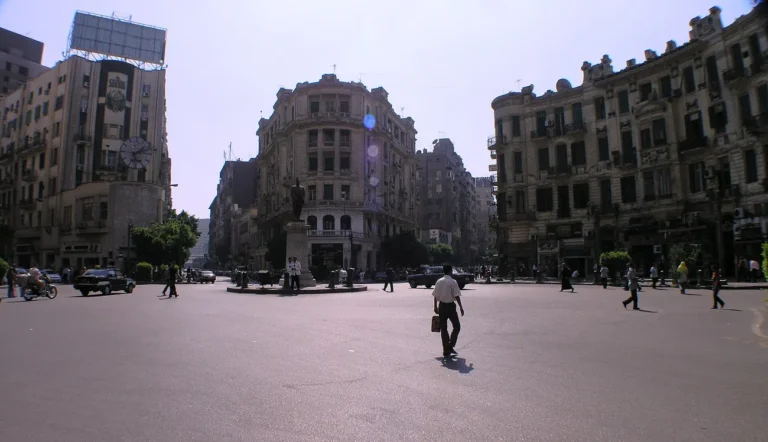 EXPLORE THE EVIDENCEModern Cairo: The Streets, Buildings and Nile That Changed a CityRead study ↗
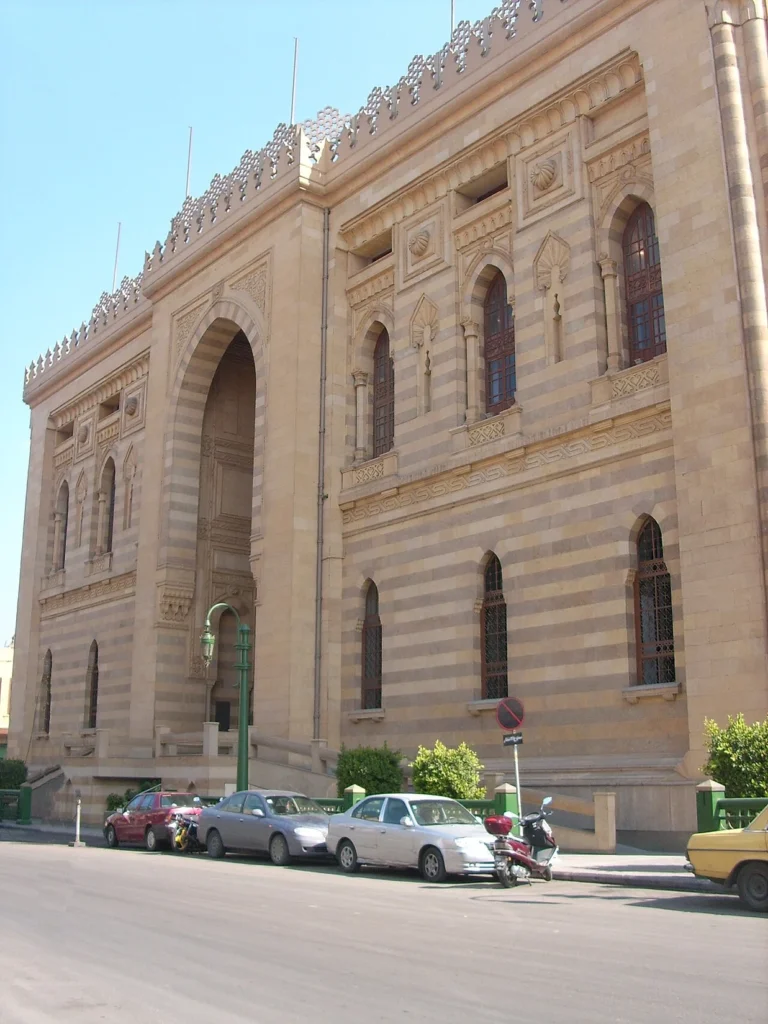 EXPLORE THE EVIDENCEDar al-Kutub: How Egypt Founded Its National Library in 1870 and Built the Bab al-Khalq HomeRead study ↗
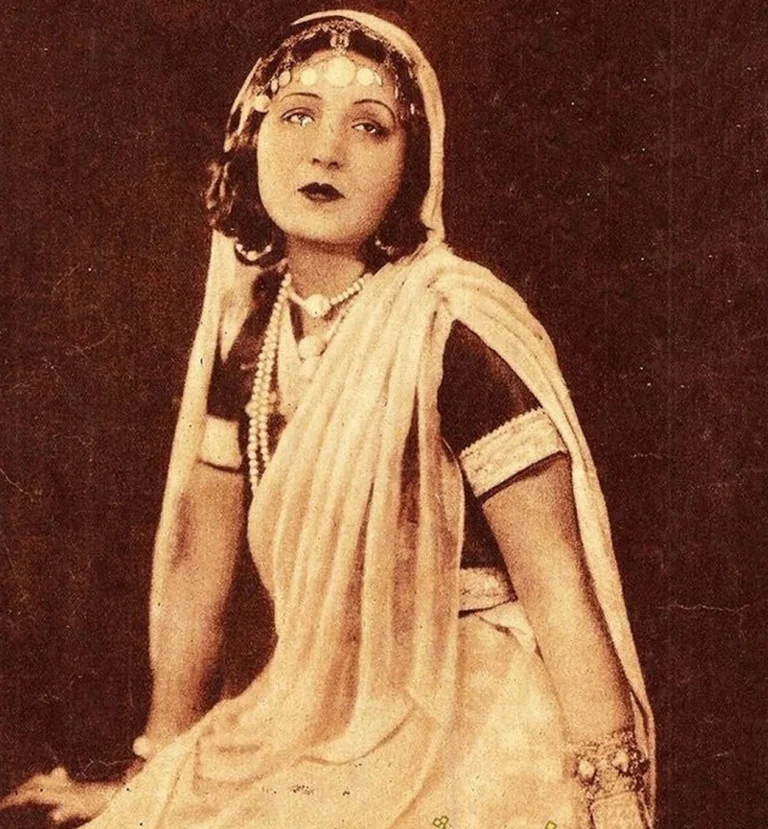 EXPLORE THE EVIDENCEEarly Egyptian Cinema: Laila (1927), Women Pioneers and the Rise of Studio Misr in 1935Read study ↗
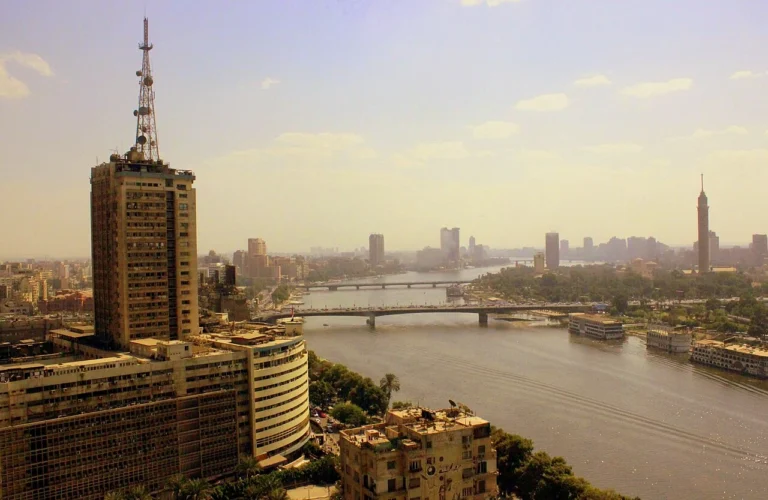 EXPLORE THE EVIDENCEEgyptian Radio in 1934: The First National Broadcast, Umm Kulthum and the Birth of a Listening PublicRead study ↗
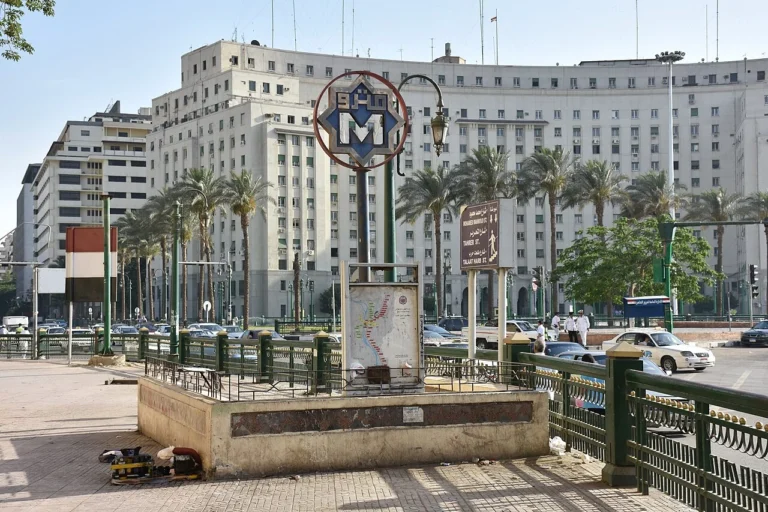 EXPLORE THE EVIDENCECairo Metro Line 1: How Egypt Opened Its First Rapid-Transit Railway in 1987Read study ↗
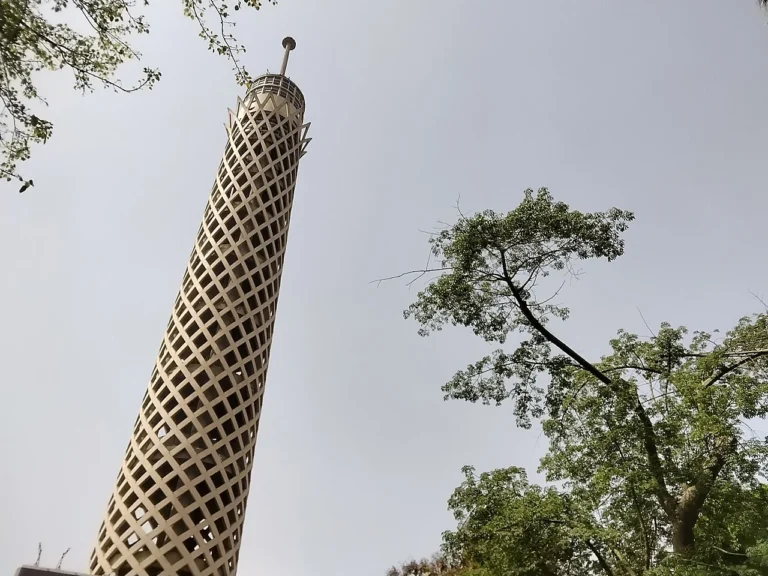 EXPLORE THE EVIDENCECairo Tower: Naoum Shebib, the Lotus Design and Egypt’s 1956–1961 LandmarkRead study ↗
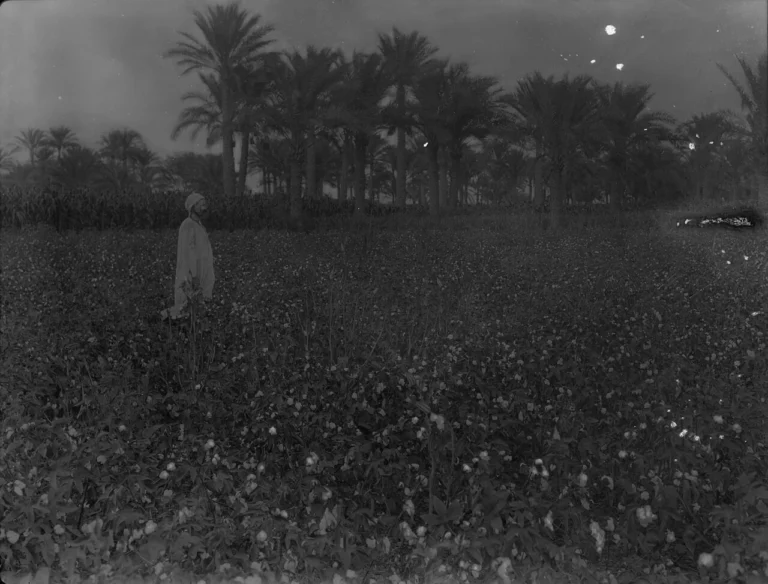 EXPLORE THE EVIDENCEEgypt’s Cotton Economy under Muhammad Ali: Long-Staple Exports, Irrigation and Rural LabourRead study ↗
Historical overview, sources & further reading

Modern Egypt cannot be reduced to one dynasty or one revolution. It includes reforms, occupations, independence movements, urban change, industry, migration, intellectual life and the lived histories of its people.
Muhammad Ali and nineteenth-century reform
Muhammad Ali’s rise to power in 1805 began a far-reaching era of military, administrative and economic reform. His descendants ruled in changing constitutional and international circumstances. State-building affected agriculture, industry, education and infrastructure, but changes came with unequal costs and benefits across society.
Occupation, monarchy and independence
British military occupation began in 1882. Egypt’s twentieth-century political history includes nationalist movements, the formal end of the protectorate in 1922, and contested questions of sovereignty, representation and reform. The monarchy ended after the 1952 revolution, and a republic was proclaimed in 1953. Accounts of these events should distinguish contemporary sources from retrospective political interpretations.
The republican era
The Suez crisis of 1956, the wars of 1967 and 1973, economic transformation and successive political movements are essential to modern Egyptian history. They must be studied through reliable documentation and relevant perspectives, not slogans. Cultural history is equally important: literature, film, music, architecture and the changing rhythms of urban life.
Modern places, today
Modern architecture, museums, public spaces, transport systems, neighbourhoods and contemporary cultural institutions are part of Egypt’s ongoing story. Our historical essays will remain distinct from travel planning pages about opening hours, hotels, flights, tour operators and transport, where information changes much more rapidly.
Evidence & further reading
The period boundaries and historical framework are checked against the National Museum of Egyptian Civilization and the Ministry of Tourism and Antiquities. More detailed articles distinguish surviving evidence, interpretation and modern artistic reconstruction.