Prehistoric & Predynastic Egypt
Explore Before the Pharaohs
Discover the people, places, primary evidence and latest studies connected with this chapter of Egypt's story.
Discover the era through real evidence
Select an image to discover the people, sites and source-based studies behind it.
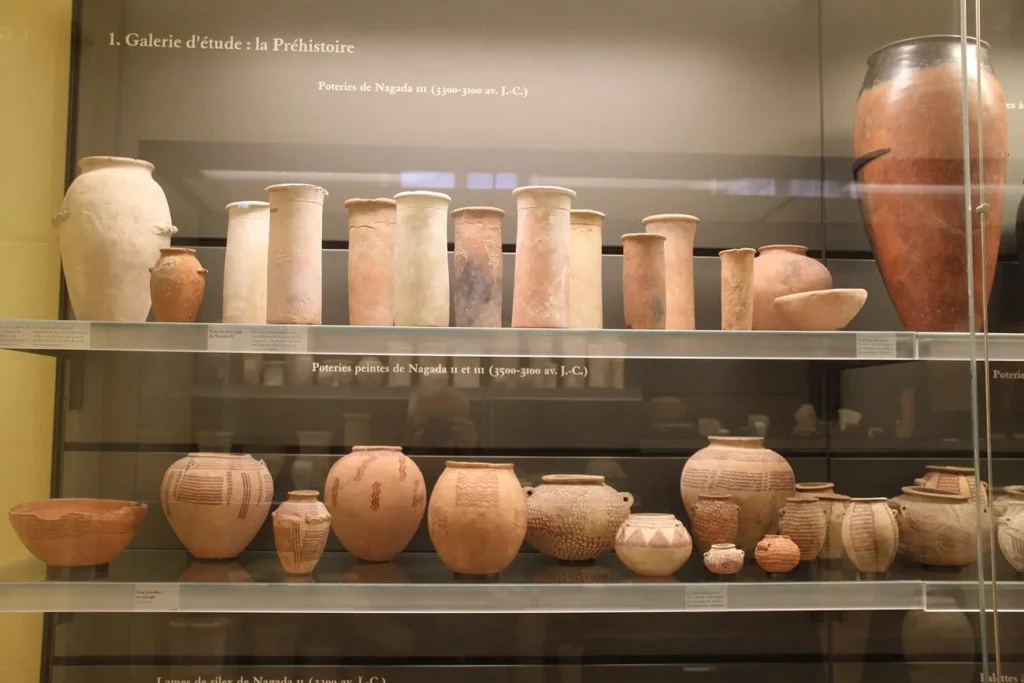 Photo details and credits in the linked study
Browse this period by theme
Studies from this historical period
This selection updates from published research in the period collection.
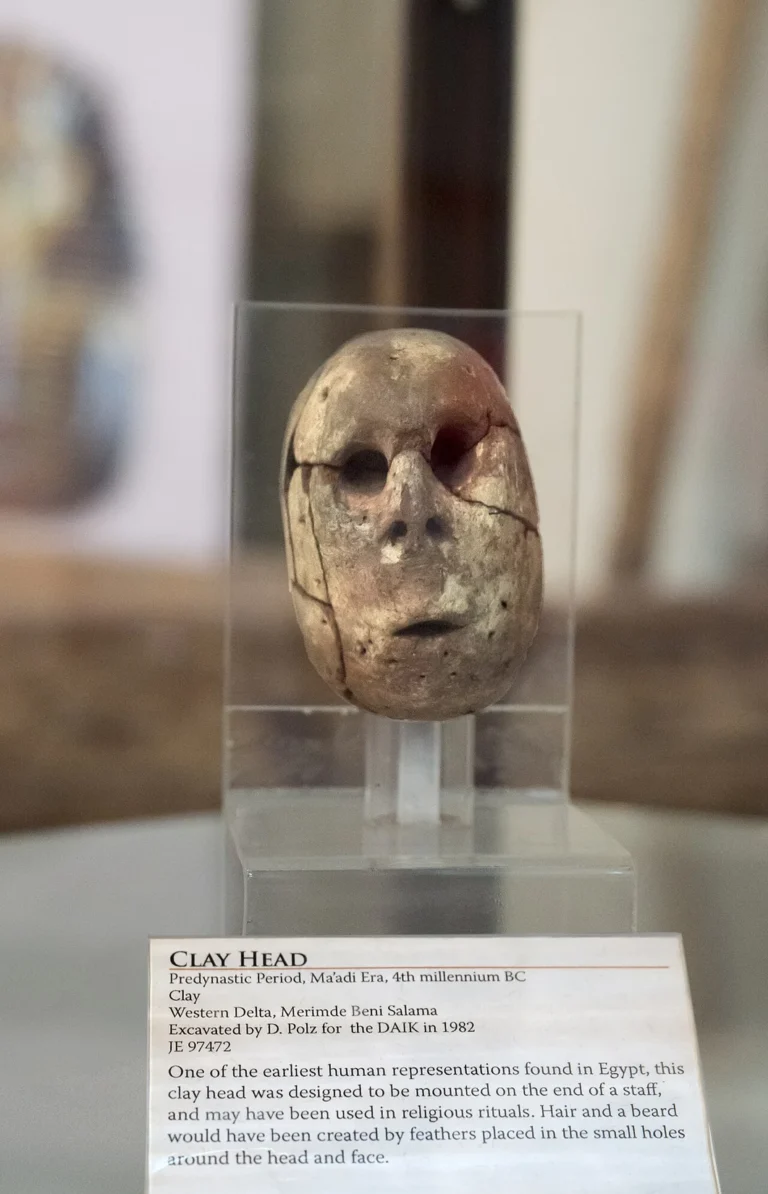 EXPLORE THE EVIDENCEMerimde Beni Salama: Life in a Neolithic Nile Delta Village Before the PharaohsRead study ↗
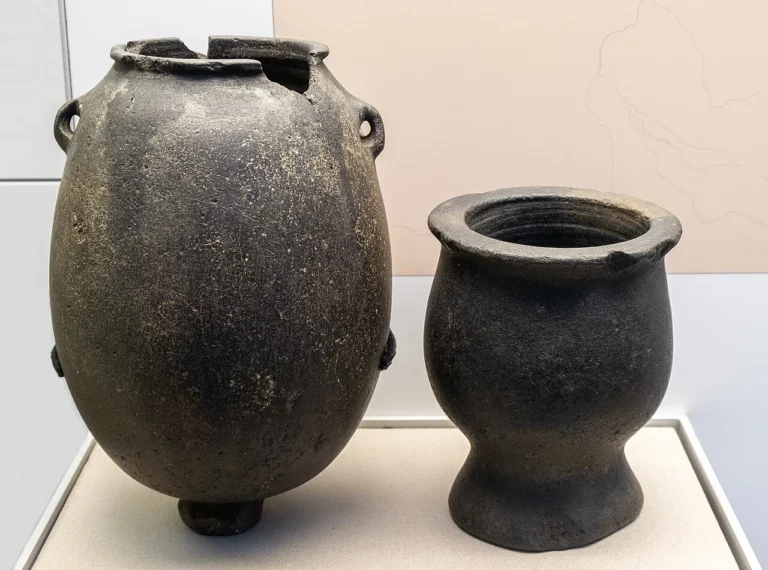 EXPLORE THE EVIDENCEMaadi-Buto Culture: Predynastic Lower Egypt, Ancient Houses and Levantine ExchangeRead study ↗
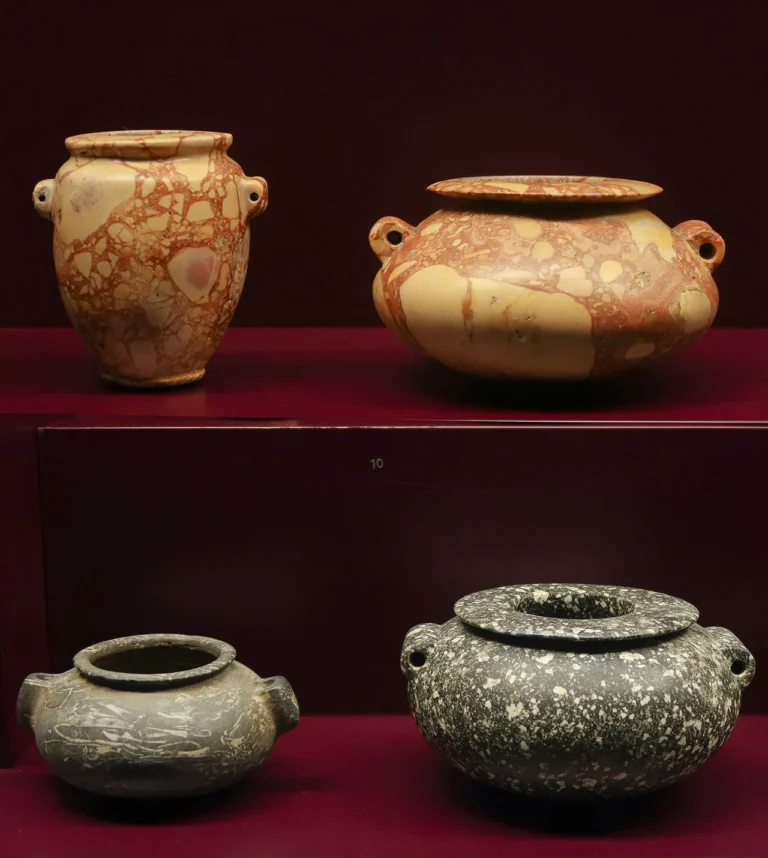 EXPLORE THE EVIDENCETomb U-j at Abydos: Imported Wine Jars, Elite Exchange and Early AdministrationRead study ↗
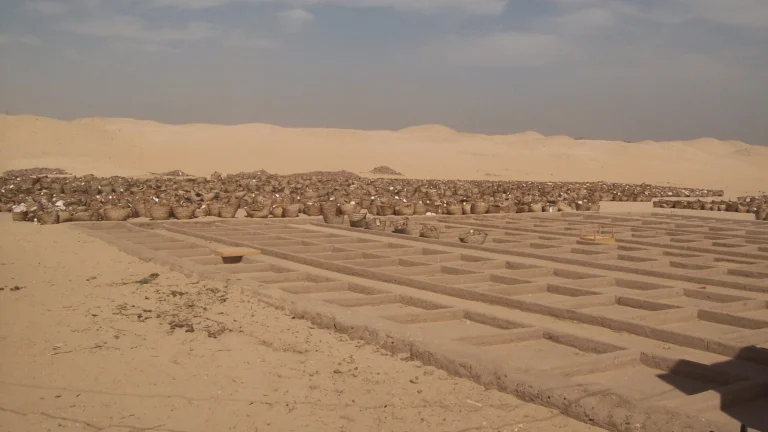 EXPLORE THE EVIDENCETomb U-j at Abydos: Egypt’s First Writing, Ivory Labels and the Rise of Early KingshipRead study ↗
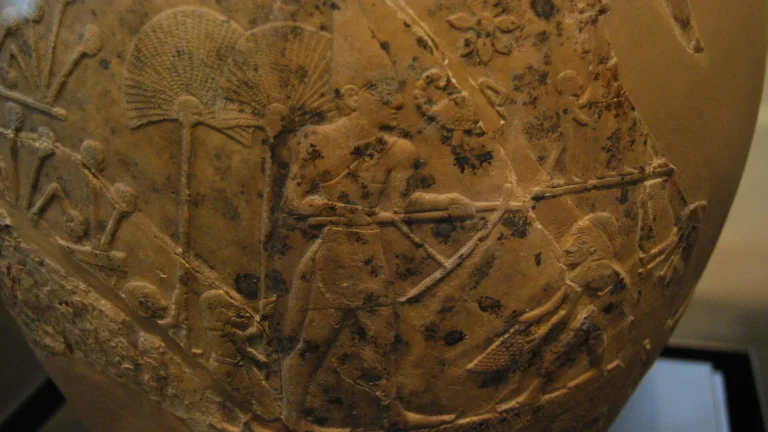 EXPLORE THE EVIDENCEHierakonpolis Before the Pharaohs: Nekhen, Tomb 100 and the Origins of Egyptian KingshipRead study ↗
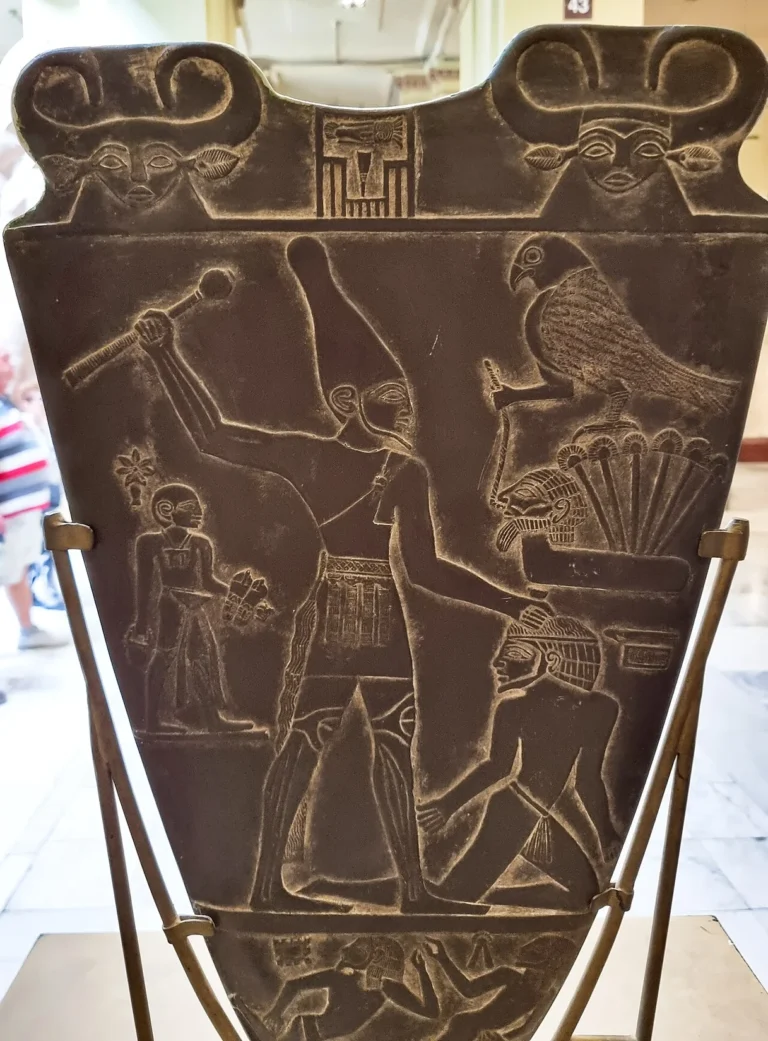 EXPLORE THE EVIDENCENarmer Palette Explained: Both Sides, Symbols and the Origins of Egyptian KingshipRead study ↗
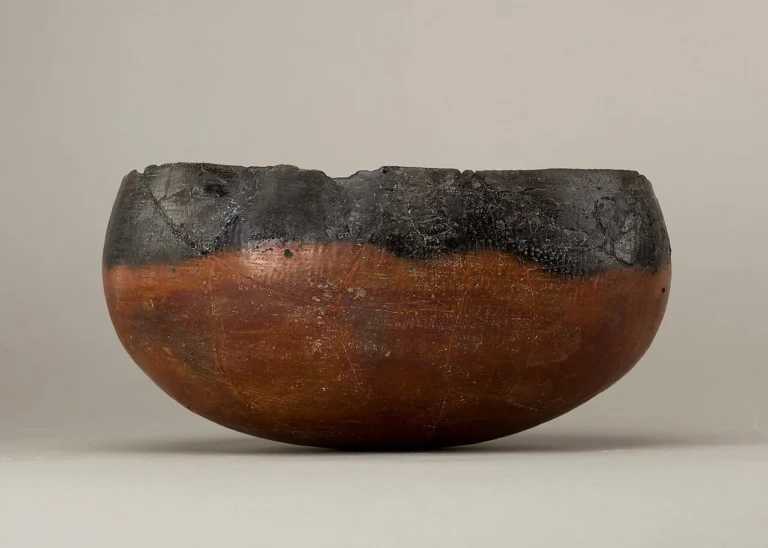 EXPLORE THE EVIDENCEThe Badarian Culture of Upper Egypt: Black-Topped Pottery, Graves and Early FarmingRead study ↗
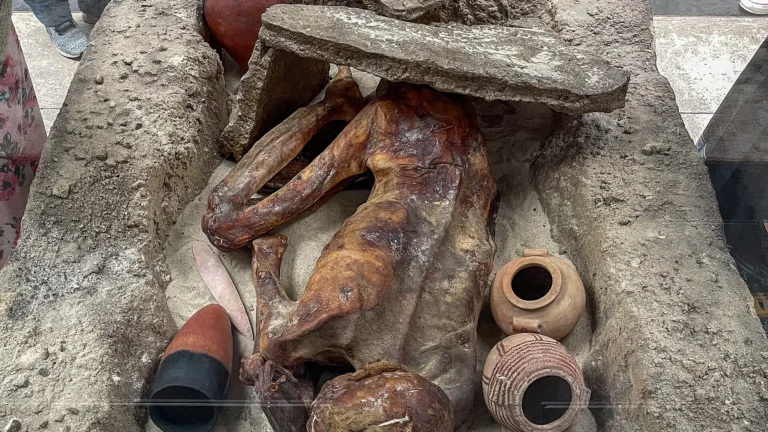 EXPLORE THE EVIDENCEGebelein Man: Predynastic Egypt’s Naturally Preserved Mummies and the World’s Earliest Figural TattoosRead study ↗
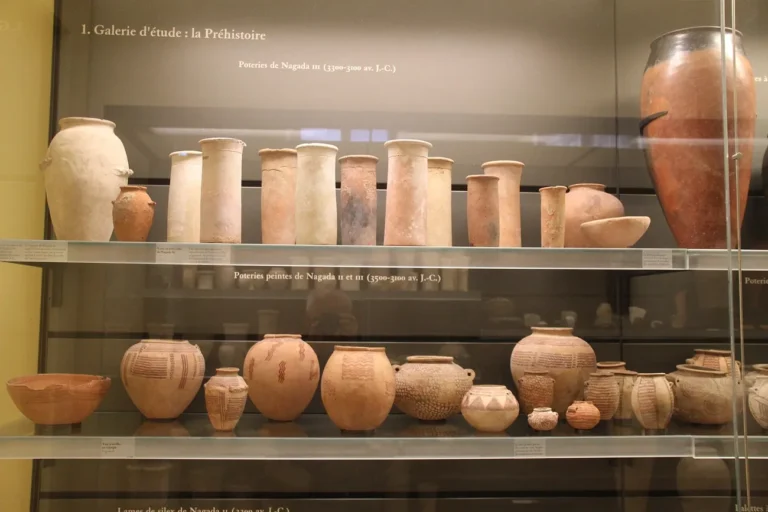 EXPLORE THE EVIDENCENaqada Culture: Pottery, Cemeteries and the Rise of Early EgyptRead study ↗
Historical overview, sources & further reading

Egyptian history did not begin with pyramids or kings. The Nile Valley preserves much older evidence of settlement, technological change, regional traditions and the long emergence of a connected political landscape.
Before a unified kingdom
Prehistory is not a single short chapter. Archaeologists investigate evidence stretching through the Palaeolithic and Neolithic, long before the written records used to name dynasties. Changing climates, river environments and access to food influenced where communities lived. Stone tools, pottery, human burials and settlement remains allow different kinds of questions to be asked, but they do not provide a continuous record of individual people or political events.
The cultures of the Nile Valley
The Badarian, Maadi and Naqada archaeological traditions are named after places where characteristic material evidence was documented. Naqada I, II and III describe broad archaeological phases, not three unified governments. Burial practices, craft production, long-distance exchange and the use of visual symbols changed over time, with regional differences that matter as much as similarities.
The transition to dynastic rule
Political integration emerged through a complex process rather than a universally agreed date for a single founding ceremony. Around the late fourth millennium BCE, early writing, administrative practices and royal imagery become increasingly visible. The Narmer Palette is important evidence, but its imagery should be interpreted alongside excavations and the limitations of royal symbolism.
What survives and what remains uncertain
Excavated contexts and museum objects are the foundation for reconstructing these centuries. Precise dates for early phases differ among scholars, and an artistic reconstruction of a village is not a documentary image. Our guides will separate documented objects, archaeological interpretation and visual illustration.
Evidence & further reading
The period boundaries and historical framework are checked against the National Museum of Egyptian Civilization and the Ministry of Tourism and Antiquities. More detailed articles distinguish surviving evidence, interpretation and modern artistic reconstruction.