Ottoman Egypt
Explore Ottoman Egypt
Discover the people, places, primary evidence and latest studies connected with this chapter of Egypt's story.
Discover the era through real evidence
Select an image to discover the people, sites and source-based studies behind it.
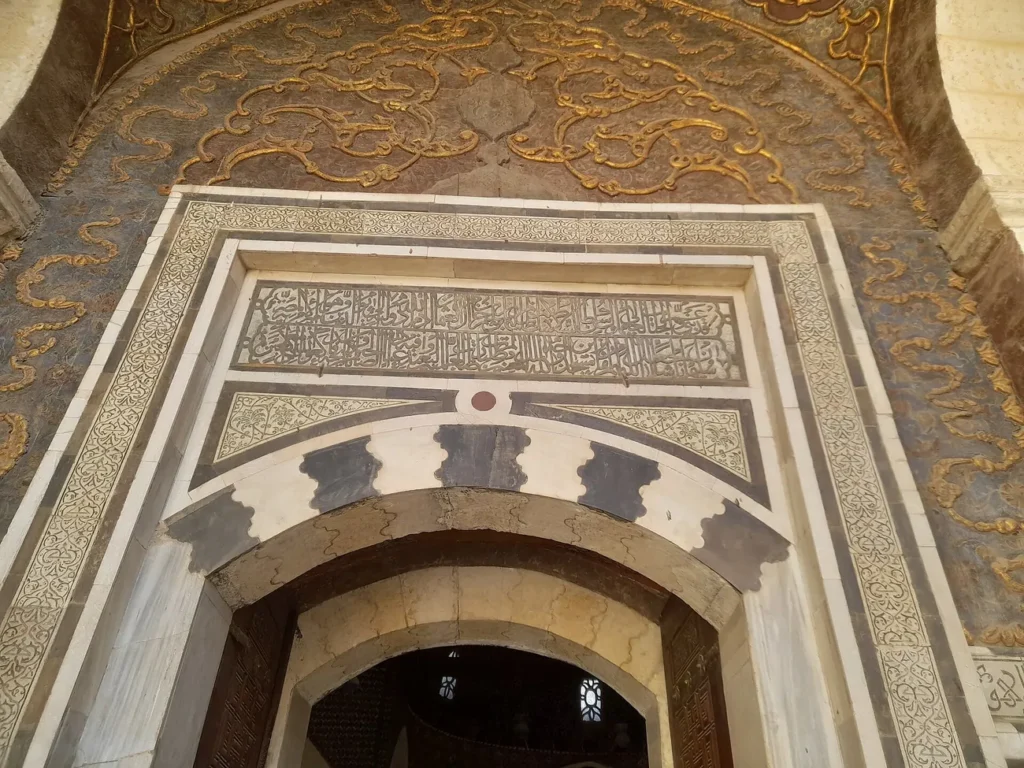 Photo details and credits in the linked study
Browse this period by theme
Studies from this historical period
This selection updates from published research in the period collection.
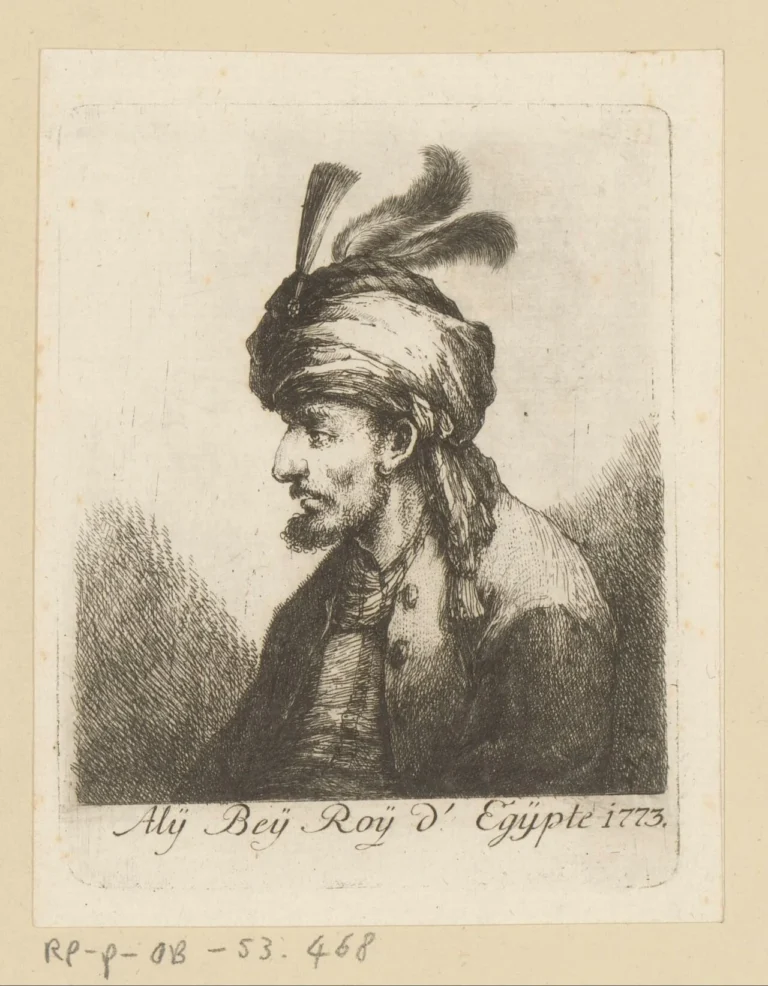 EXPLORE THE EVIDENCEAli Bey al-Kabir: The 1768–1773 Challenge to Ottoman Rule in EgyptRead study ↗
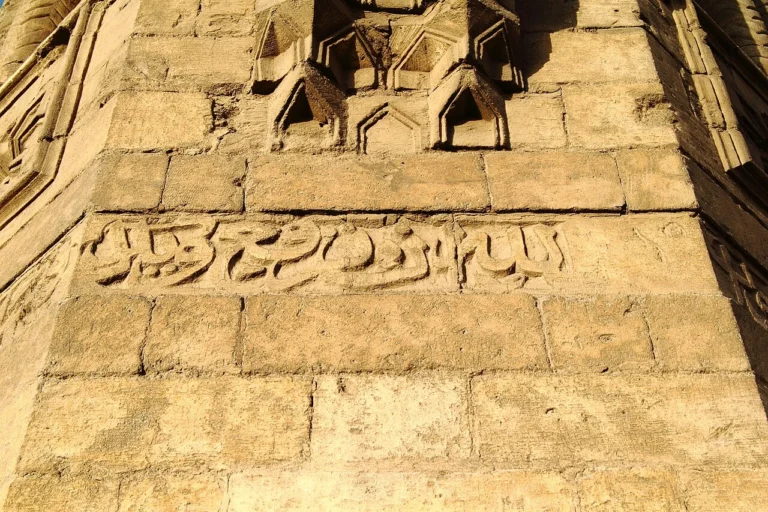 EXPLORE THE EVIDENCEOttoman Conquest of Egypt in 1517: Selim I, Tumanbay and the End of the Mamluk SultanateRead study ↗
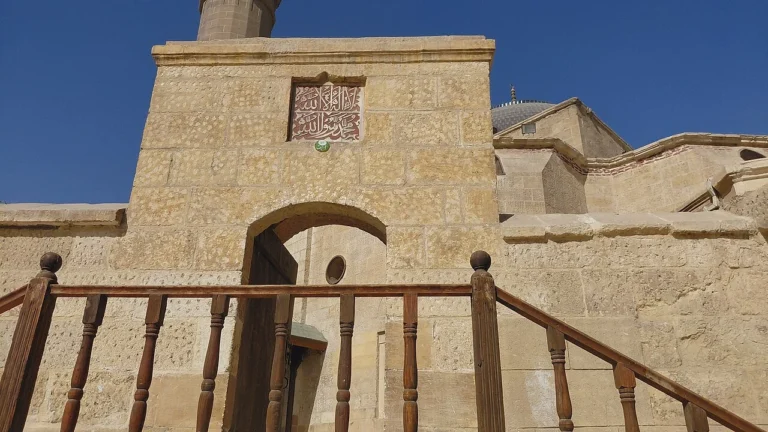 EXPLORE THE EVIDENCESulayman Pasha al-Khadim Mosque: Cairo Citadel’s Early Ottoman Architecture of 1528Read study ↗
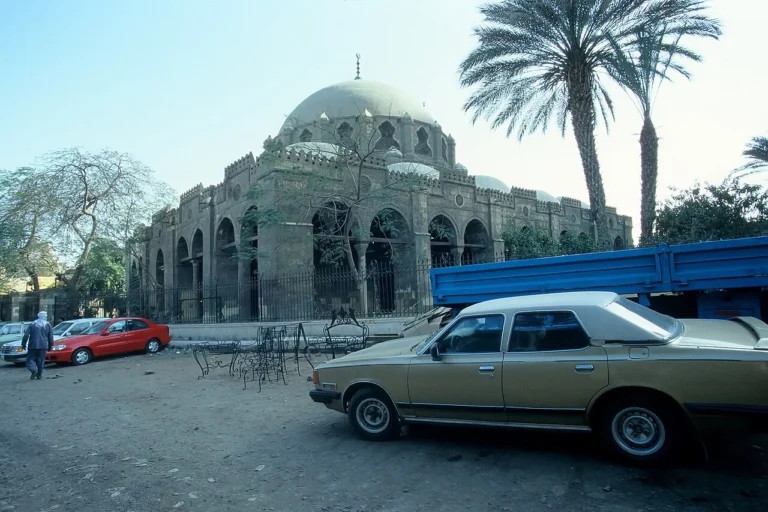 EXPLORE THE EVIDENCESinan Pasha Mosque in Bulaq: Ottoman Cairo, Domed Architecture and Waqf in 1571Read study ↗
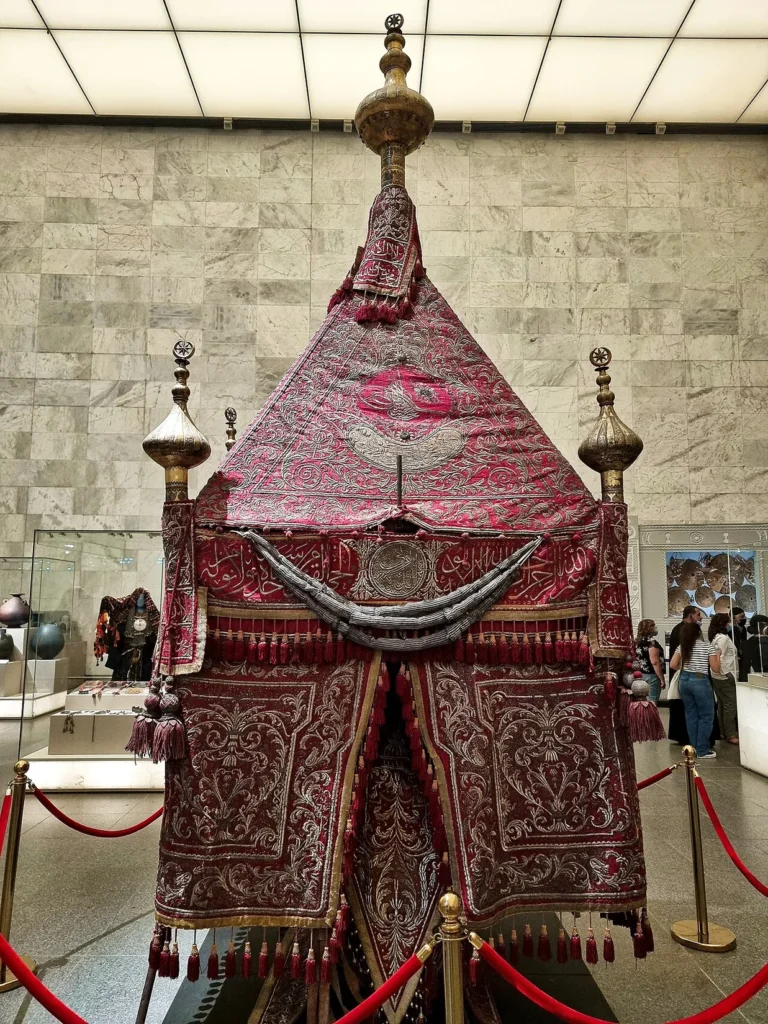 EXPLORE THE EVIDENCEThe Egyptian Mahmal: Cairo’s Hajj Caravan, the Kiswa and Ottoman Ceremonial PowerRead study ↗
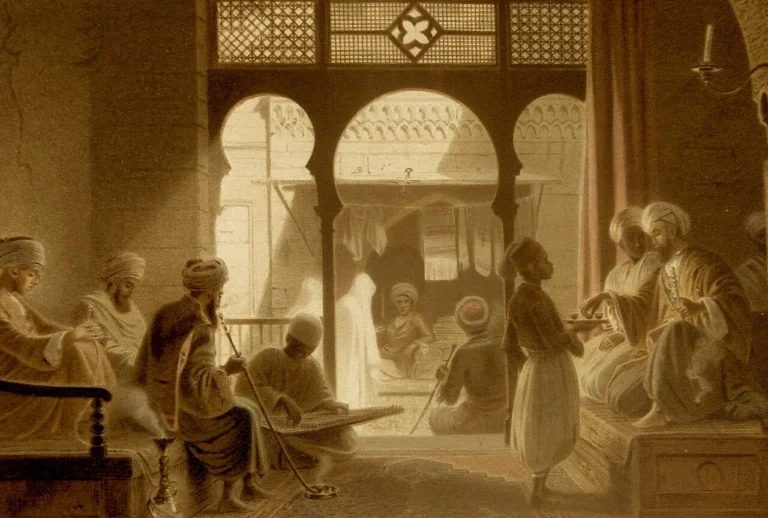 EXPLORE THE EVIDENCECoffeehouses, Markets and Merchants: The Street Life of Ottoman CairoRead study ↗
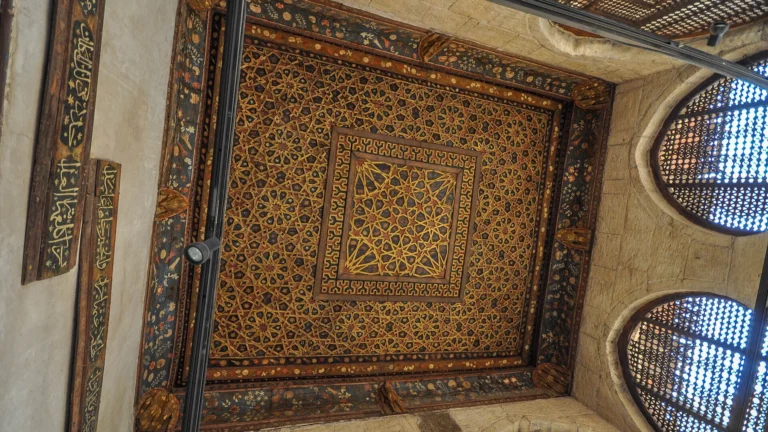 EXPLORE THE EVIDENCEKatkhuda’s Sabil-Kuttab: Water, Schools and the Streets of Ottoman CairoRead study ↗
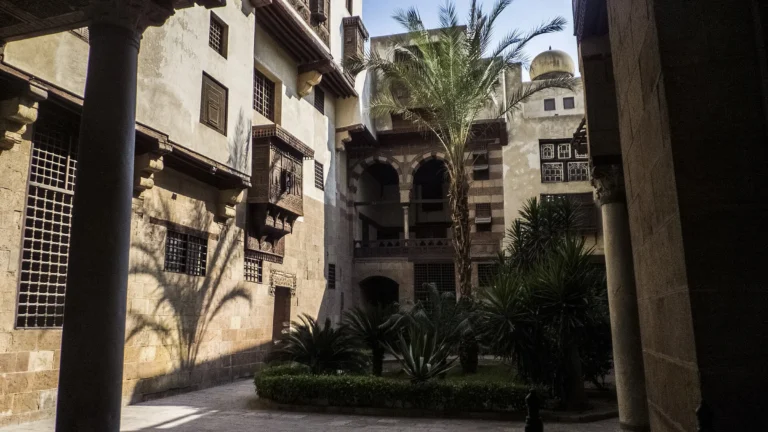 EXPLORE THE EVIDENCEInside Ottoman Cairo: Bayt al-Suhaymi, Its 1648 House and the Hidden Life of a CityRead study ↗
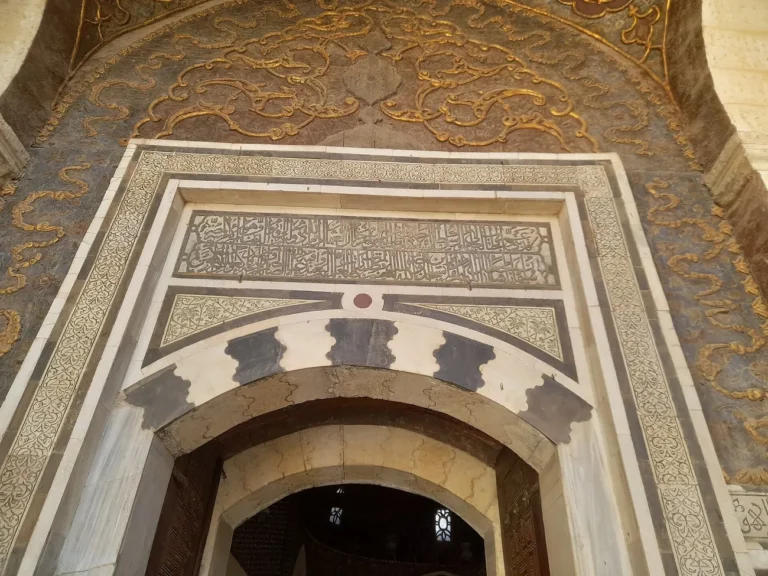 EXPLORE THE EVIDENCEOttoman Egypt, 1517–1805: Cairo, Trade and the Power of Local HouseholdsRead study ↗
Historical overview, sources & further reading

The Ottoman conquest changed Egypt’s political position, but the following centuries were shaped by negotiations between imperial officials, local elites, merchants, religious institutions and ordinary communities.
The conquest and its aftermath
The Ottoman victory over the Mamluks in 1517 brought Egypt into an imperial system centred on Istanbul. Older administrative practices and personnel did not disappear overnight. Egyptian history in this period requires attention to the relationship between imperial authority and powerful local networks.
Economy, cities and social life
Cairo remained an important centre of trade, learning and craft production. Egypt’s commercial relationships reached into the eastern Mediterranean, the Red Sea and African networks. Buildings, endowments, court records and material culture provide perspectives on property, family life, religious institutions and the urban economy.
Local power and political change
Mamluk households continued to exert influence under Ottoman sovereignty. Patterns of military and fiscal power changed across centuries; the period should not be simplified into uninterrupted stability or inevitable decline. Regional variations were substantial, and political labels alone cannot explain the experience of farmers, merchants and city residents.
The French expedition and transition
The French expedition began in 1798 and ended in 1801. It is part of the transition toward the political order associated with Muhammad Ali from 1805, not proof that all Ottoman connections immediately vanished. Printed accounts and visual representations of the expedition need to be read critically, including the agendas of their authors.
Evidence & further reading
The period boundaries and historical framework are checked against the National Museum of Egyptian Civilization and the Ministry of Tourism and Antiquities. More detailed articles distinguish surviving evidence, interpretation and modern artistic reconstruction.