Islamic & Medieval Egypt
Explore Islamic & Medieval Egypt
Discover the people, places, primary evidence and latest studies connected with this chapter of Egypt's story.
Discover the era through real evidence
Select an image to discover the people, sites and source-based studies behind it.
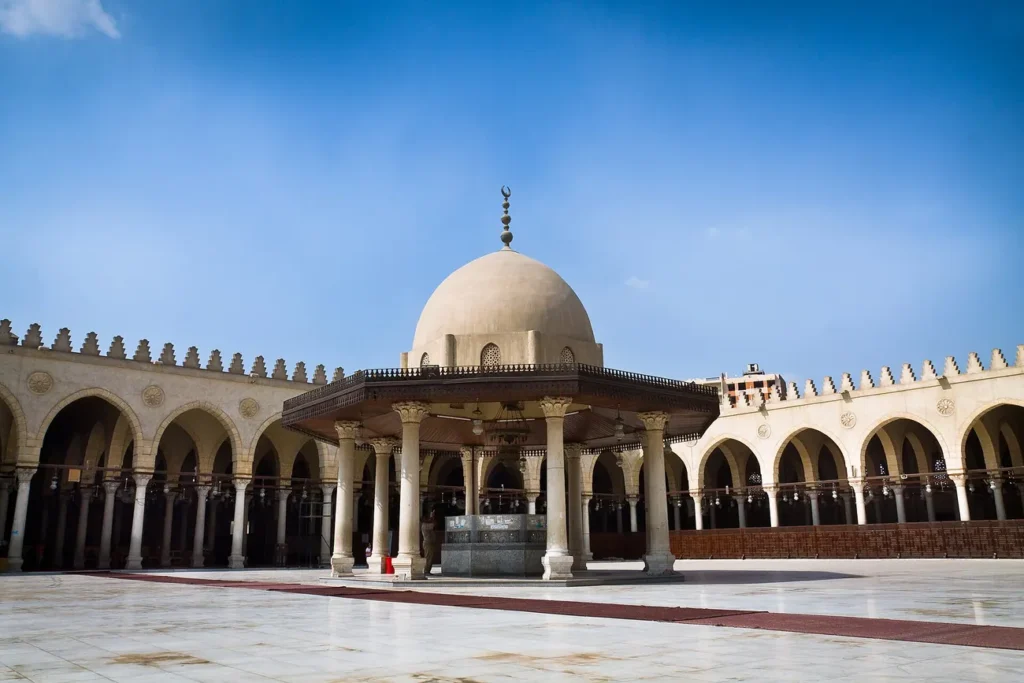 Photo details and credits in the linked study
Find your way through medieval Egypt
Explore the founding of cities, Fatimid Cairo, architecture, everyday life and newly published research.
Studies from this historical period
This selection updates from published research in the period collection.
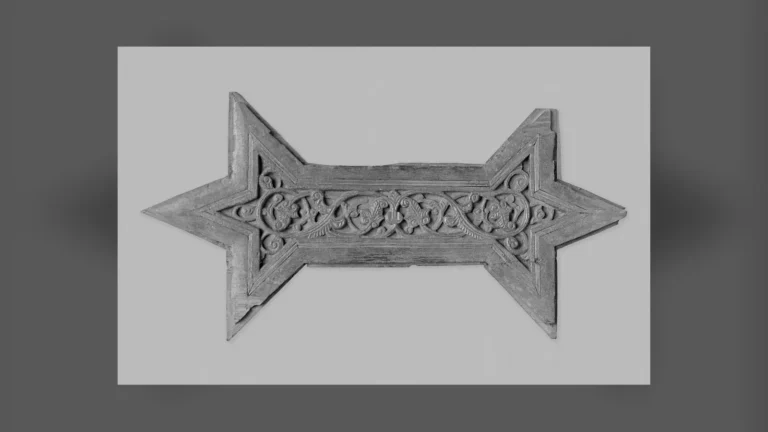 EXPLORE THE EVIDENCEIbn Tulun Mosque After 1296: Sultan Lajin’s Minaret, Minbar and RestorationRead study ↗
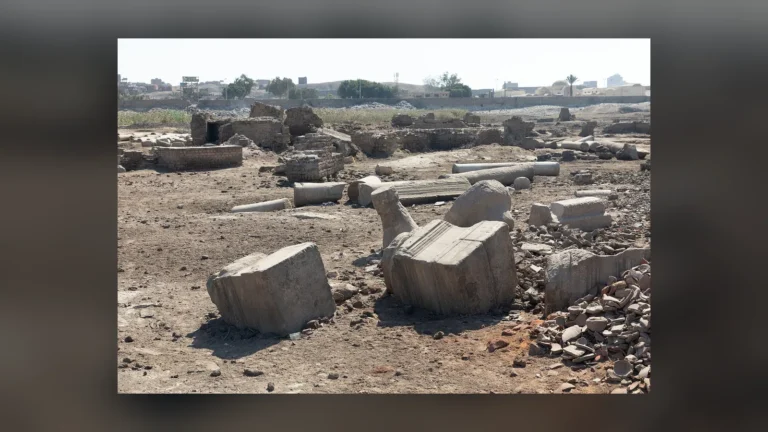 EXPLORE THE EVIDENCEMedieval Fustat Through Travelers’ Eyes: Tall Houses, Markets and a Surviving BowlRead study ↗
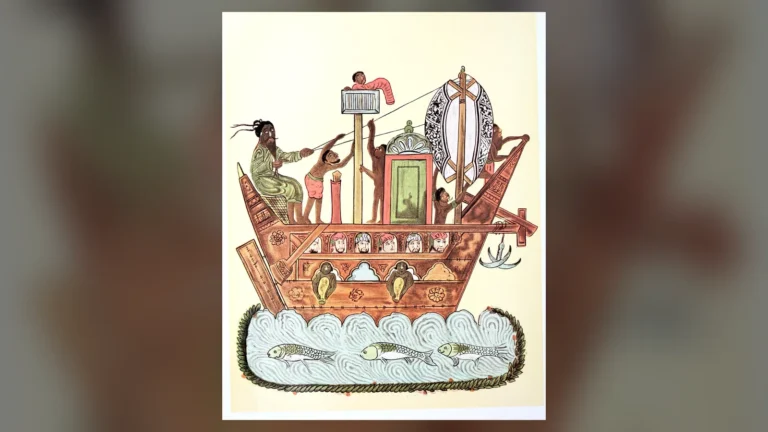 EXPLORE THE EVIDENCEThe Fatimid Navy: Who Commanded Its Ships and Kept Them at Sea?Read study ↗
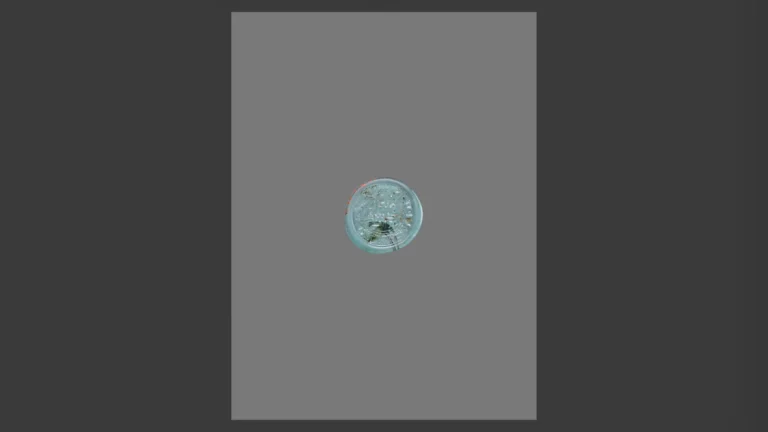 EXPLORE THE EVIDENCEWhat Were Glass Coin Weights? Two Tiny Objects from Islamic EgyptRead study ↗
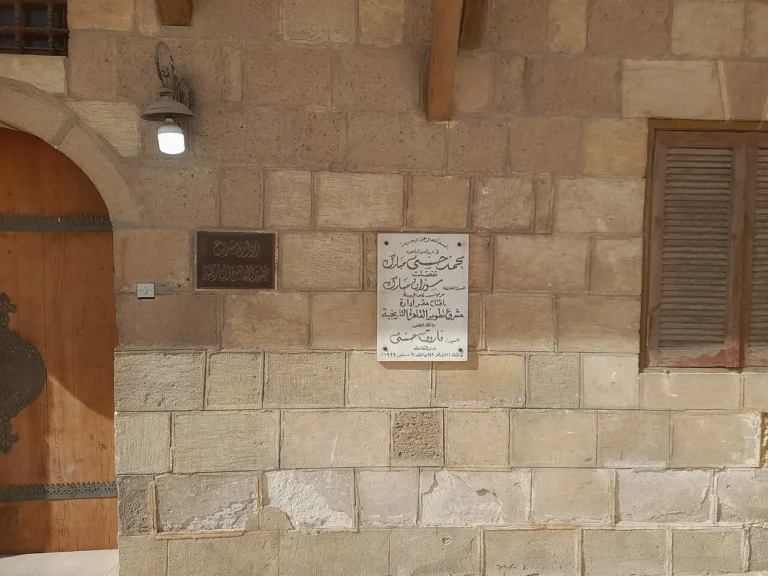 EXPLORE THE EVIDENCESaladin’s Cairo Citadel: 1176 Fortress, Mamluk Rulers and Muhammad Ali’s MosqueRead study ↗
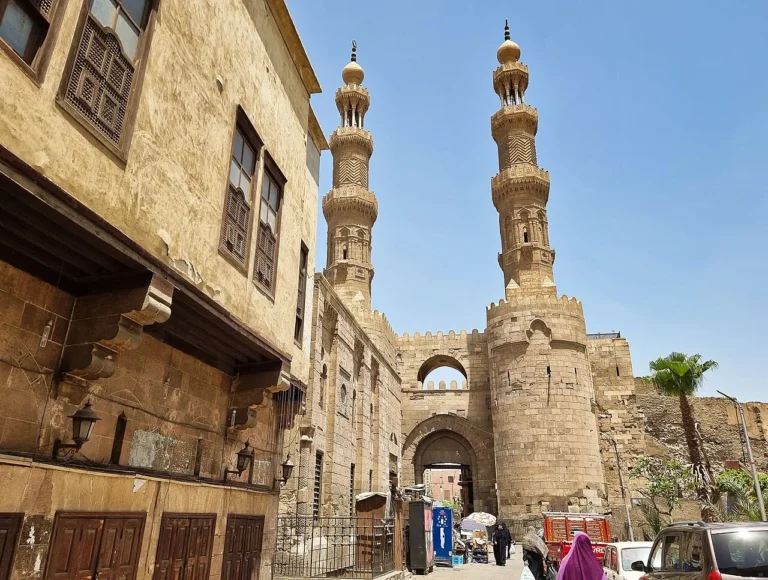 EXPLORE THE EVIDENCEBab Zuwayla Cairo: Fatimid Gate, Mamluk Minarets and Tumanbay’s 1517 StoryRead study ↗
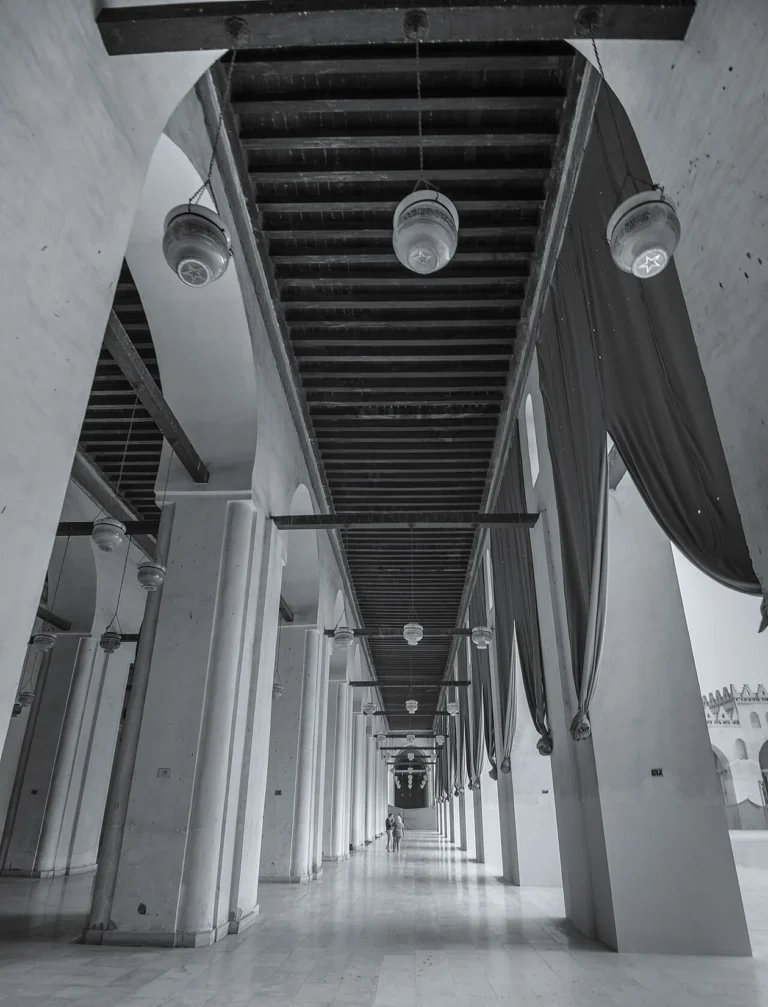 EXPLORE THE EVIDENCEMosque of al-Hakim in Cairo: Fatimid Architecture, 990–1013 and the 2023 RestorationRead study ↗
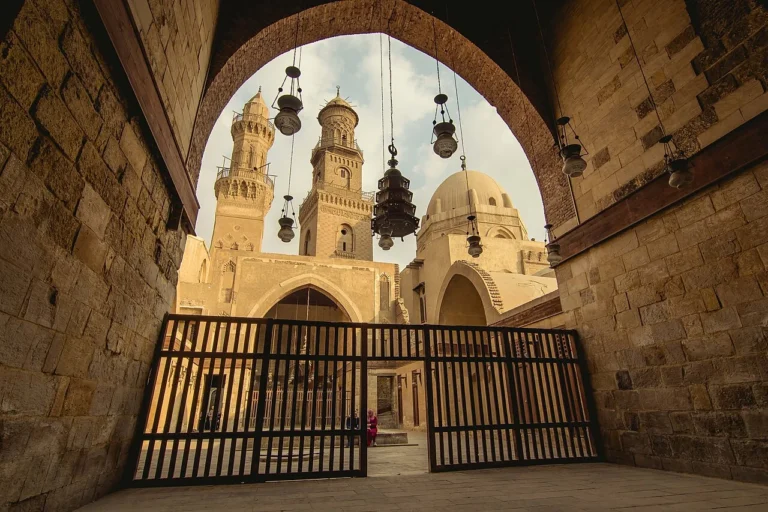 EXPLORE THE EVIDENCEQalawun Complex in Cairo: The Mamluk Hospital, Madrasa and Mausoleum ExplainedRead study ↗
 EXPLORE THE EVIDENCEAl-Azhar Mosque in Fatimid Cairo: Founding, Architecture and a Thousand Years of LearningRead study ↗
Historical overview, sources & further reading

Egypt’s medieval centuries brought new political centres, trade connections, scholarly institutions and architecture, while long-established Egyptian communities maintained and reshaped their own traditions.
Early Islamic Egypt and Fustat
Arab-Muslim forces entered Egypt in the seventh century, and Fustat developed as an important administrative settlement. The spread of Arabic and Islam was gradual and varied across time and place. Coptic Christians, Muslims and Jewish communities all belong within the history of medieval Egypt, rather than appearing only as footnotes to dynastic changes.
From Tulunids to Fatimids
The Tulunid and Ikhshidid periods illuminate local political autonomy within larger imperial frameworks. The Fatimid conquest in 969 was followed by the establishment of Cairo and the development of institutions such as al-Azhar. Architecture, urban space, religious scholarship and trade all help explain why the city became so important.
Ayyubids and Mamluks
The Ayyubid and Mamluk eras saw important military, political and economic changes. Cairo’s mosques, madrasas, mausolea and urban fabric preserve testimony to patronage and craft. Abbasid caliphs were present in Mamluk Cairo after 1261, but this does not mean the Mamluks were replaced by an independent Abbasid political government in Egypt.
Beyond rulers and battles
A rounded history examines water supply, workshops, merchants, teaching, households, manuscripts and Egypt’s links to Africa, the Red Sea and the Mediterranean. Architectural monuments are crucial evidence, but they should be interpreted together with texts and the lives of the wider population.
Evidence & further reading
The period boundaries and historical framework are checked against the National Museum of Egyptian Civilization and the Ministry of Tourism and Antiquities. More detailed articles distinguish surviving evidence, interpretation and modern artistic reconstruction.