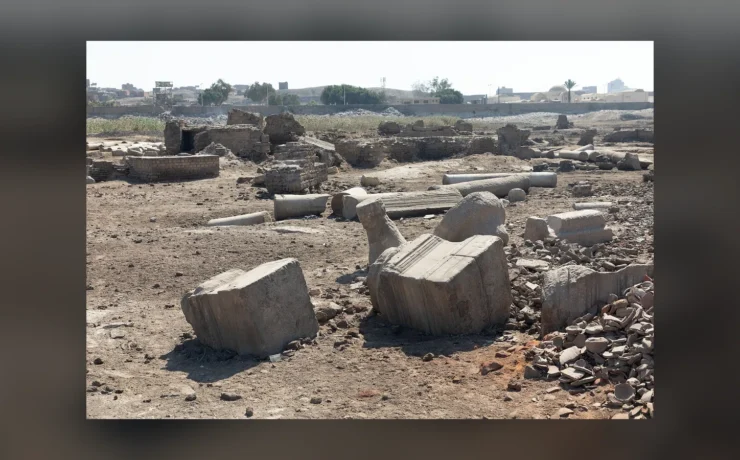
The Fatimid rulers of Egypt could order a fleet to sea. Getting that fleet to move was another matter. Ships needed timber and repair, crews needed food and pay, commanders needed orders, and someone had to decide which vessels belonged in a battle and which carried supplies. Behind every medieval account of a fleet sailing from Alexandria or the Nile lay a complicated system of people and money.
Fatimid Egypt, ruled from Cairo between 969 and 1171, is often remembered for its politics, palaces and religious institutions. Its maritime history is just as revealing. The surviving sources describe different kinds of ships, senior naval officers and moments when the fleet was both a fighting force and a visible statement of state power.
A fleet was an administrative project
Medieval authors used different names for ships and naval offices, and the meanings could vary by period. Al-Sayyid Abd al-Aziz Salim’s history of Islamic Egypt preserves passages about the officials who supervised the fleet and the expenses needed to maintain it. The modern work of Yaacov Lev on the Fatimids and the Crusades places warfare at sea in a wider political and military context.
That distinction between a chronicler and a later historian matters. A medieval writer may preserve the title of an office or a dramatic account of battle. Modern scholarship asks what can be corroborated and which figures or claims may have been shaped by political storytelling. We can learn a lot from the terminology without treating every reported number as an audited inventory.
The navy depended on shore-based administration: officers who allocated money, men who prepared vessels, and networks that supplied ships. The actual construction of ships is explored in our separate Fatimid shipyards guide. This page follows a different question: once ships existed, how did the state organize and use them?
Who commanded the vessels?
Arabic sources refer to senior officers and captains with different titles. Terms associated with the chief of the fleet and the captains under him appear in accounts of Fatimid naval organization. Those titles give us evidence of a command hierarchy, but they don’t yield a complete roster of every man who sailed during two centuries of rule.
A captain had to coordinate a vessel’s movement and crew, but not every job aboard a ship would have been the same. Rowers, sailors, armed men and specialists faced different tasks. The numbers, conditions and recruitment of these groups remain unevenly documented. The shortage of first-person testimony is one of the limits of maritime history: we hear far more from court and administrative writers than from the people working the oars.
One reason to take logistics seriously is that the fleet could not operate only through personal courage. Food, fresh water, repair materials and coordination with ports determined where ships could go and how long they could remain active. A large fleet described on paper would be of little use if that support system failed.
Shawani and harraqat were not interchangeable ships
The term shawani commonly appears in discussions of medieval Egyptian war galleys. Their military role was different from that of a merchant carrier or a ceremonial barge. Other terms, including harraqat, occur in connection with specialized fighting vessels and the use of fire. But a name in a medieval source is not enough to reconstruct every dimension, rigging detail or weapon on a single standardized boat.
The safest approach is to compare terminology within the particular text and period. Later illustrators drew ships that may help readers imagine medieval maritime technology, but an image made generations after Fatimid rule cannot be labelled an eyewitness drawing of the Fatimid fleet. The first image here makes that limitation explicit.

There is also a temptation to assign modern categories such as ‘battleship’, ‘destroyer’ or ‘fireboat’ too mechanically. Those comparisons can be useful shorthand in a popular explanation, but medieval craft were shaped by their own construction techniques and operational needs. A translation must not suggest the equipment or precision of a modern naval class.
War at sea, trade and political display
Fatimid fleets were involved in conflicts around the eastern Mediterranean, especially as other powers contested Syria and the coastline. Maritime operations could support a larger strategy involving garrisons, land armies and diplomacy. A naval force could protect movement by sea, disrupt another power’s transport or attempt to support a besieged port. The success of such an operation cannot be judged solely from the number of ships said to have departed.
Sea power had economic implications as well. Egypt’s position between the Mediterranean and Red Sea created opportunities and pressures around commerce, taxation and the management of ports. David Bramoullé’s recent scholarship on the Fatimid maritime economy helps show why officials involved with shipping were not simply military actors. State revenue, trading networks and the movement of goods interacted with defense.
There was a ceremonial side to vessels too. The court could use boats and river processions to make royal authority visible. Paula Sanders’s study of Fatimid ceremonial sources is a reminder that a vessel might be important in a procession without being an ocean-going fighting ship. Counting every named ceremonial craft as a warship would distort the sources.
Alexandria was a strategic setting, not a fixed medieval photograph
Alexandria was an important Mediterranean port for Egypt, and its position helped connect the fleet with wider operations at sea. The surviving harbor landscape, however, has changed repeatedly. Later fortifications, shore developments and dredging mean a modern photograph cannot identify a Fatimid dock or prove the shape of an eleventh-century harbor installation.
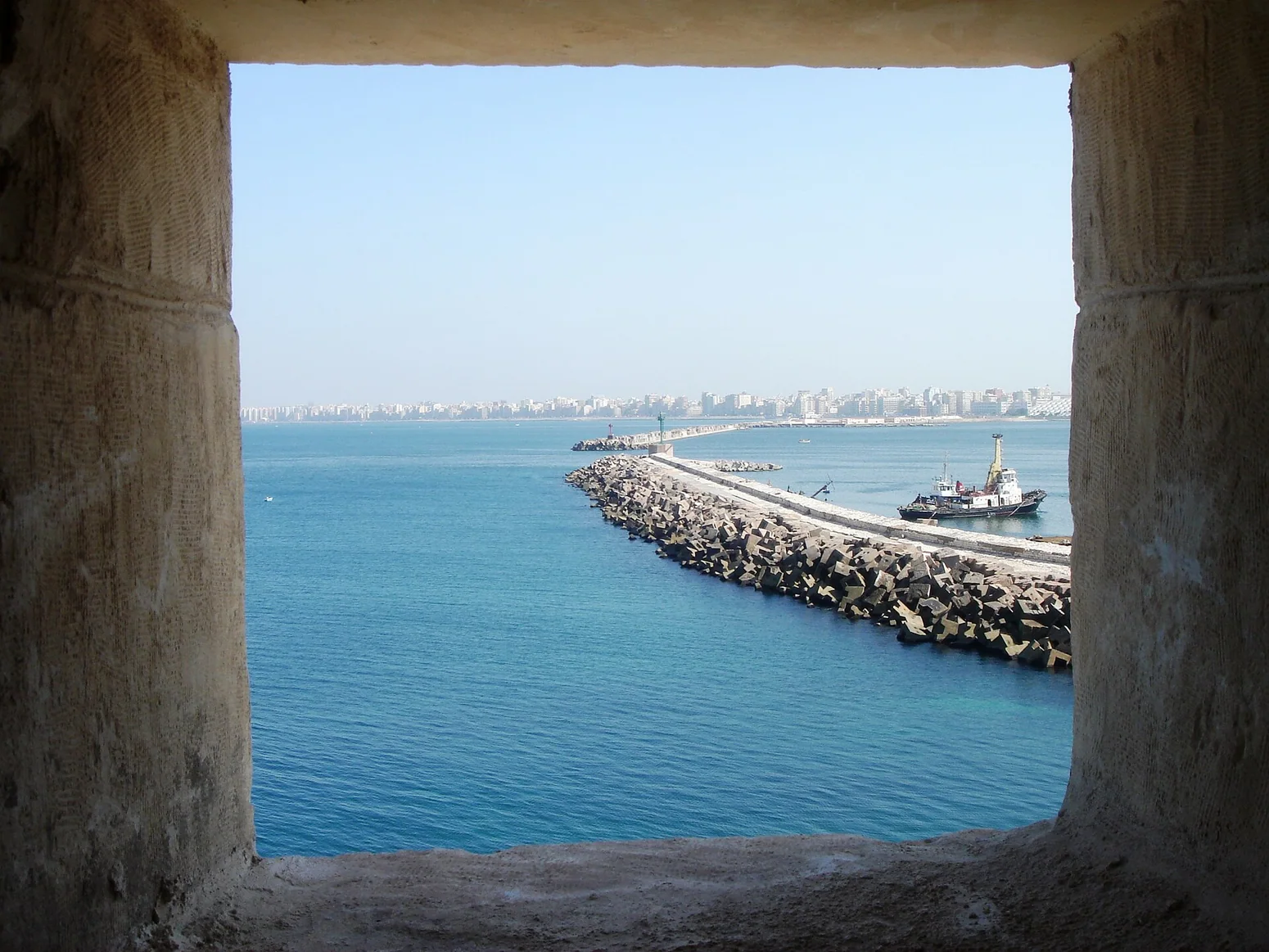
That doesn’t make the photograph useless. It locates the coast and reminds readers that the Mediterranean was part of Egypt’s political geography. But the actual history of the fleet must come from texts, excavated remains and historical research, not from treating a scenic image as an archaeological reconstruction.
How much do we really know about the fleet’s size?
Medieval writers sometimes describe fleets in impressive numbers. A large figure may refer to different categories of vessels, units gathered for an occasion or an estimate shaped by a chronicler’s agenda. It should not automatically become a statement that an exactly numbered standing fleet was simultaneously armed, crewed and ready for combat in every Fatimid reign.
| Claim in a source | What it can establish | What it cannot establish alone |
|---|---|---|
| A named naval commander | Evidence that a command title was used | The identity of every subordinate officer and crew member |
| A term such as shawani | A recognized vessel category in that context | A universal fixed ship design across centuries |
| A reported fleet total | How an author described military scale | An independently audited count of seaworthy vessels |
| A procession with boats | Use of watercraft in court ceremony | That every participating vessel was a warship |
The distinction is not an attempt to make the Fatimid navy seem smaller or less interesting. It makes its history more convincing. Ports, officers, ship types, finances and ceremonial uses give us a much richer account of state power than a spectacular figure without a source.
The people behind the fleet
Most sailors who worked on Fatimid vessels left no personal memoir that survives today. Their labor is reconstructed through the institutions and operations described by others. That imbalance is worth remembering when accounts celebrate rulers and admirals but barely mention the men who repaired hulls, prepared ropes, cooked food and moved a ship against the wind.
For the broader commercial world alongside the fleet, our Fustat merchants and markets article considers the urban economy of medieval Egypt. The navy belonged to that same landscape of work and exchange, though it served a different purpose.
The most telling image of Fatimid maritime power may not be a line of warships at sea. It is the less visible chain of decisions and labor that made those ships capable of sailing at all.