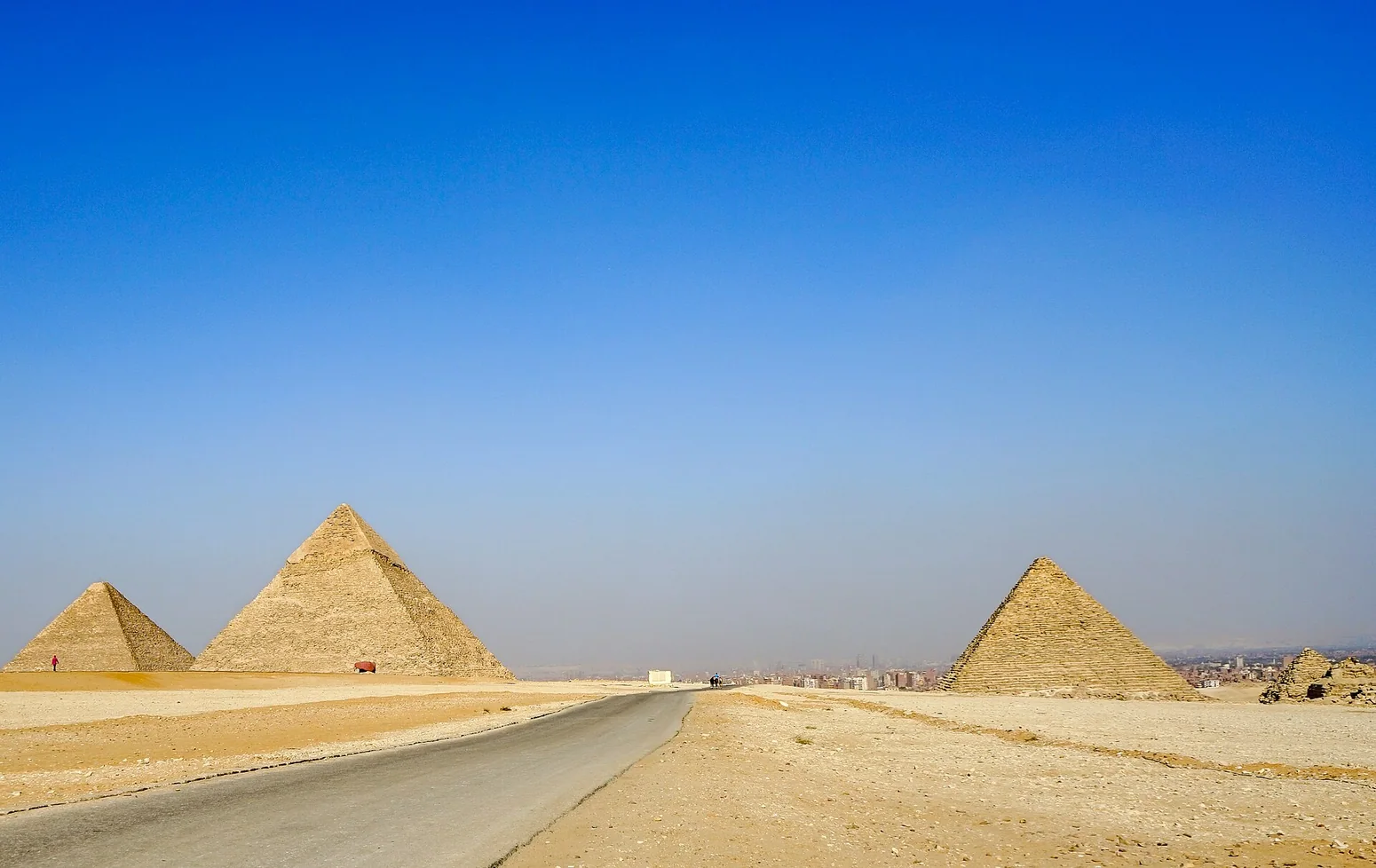
Stand at Giza and the pyramids fill your view. Walk farther south, however, and you enter a different part of the story: the remains of a settlement where people prepared food, organized supplies and maintained the enormous workforce behind the royal construction projects. The work of building a pyramid depended on much more than hauling limestone. Someone had to bake bread, manage animals, move grain and keep the tools working.
At Heit el-Ghurab, archaeologists have found traces of those ordinary operations. The evidence is practical and sometimes messy: broken bread molds, animal bones, storage spaces, clay sealings and streets. It is precisely the sort of material that a monumental photograph usually leaves outside its frame.
The city behind the building site
Ancient Egypt Research Associates (AERA), led for decades by Mark Lehner, began excavating the settlement south of the Sphinx in 1988. Their Lost City of the Pyramid Builders research summary describes a large Fourth Dynasty complex with residential areas, galleries, administrative buildings, bakeries and workshops. The name Heit el-Ghurab refers to the nearby ‘Wall of the Crow’.
The settlement is especially associated with the projects of Khafre and Menkaure. The Egyptian Ministry of Tourism and Antiquities notes traces of an older occupation that may relate to Khufu’s time, but that is not a licence to assign every excavated bakery to the construction of the Great Pyramid. The site changed over time. Careful dating matters when we connect people, buildings and royal reigns.
AERA’s map divides the settlement into the Western Town, Eastern Town and galleries, which do not appear to have served identical populations or functions. Large residences and smaller domestic buildings suggest social differences, though the precise identity of every occupant has to be reconstructed from archaeology rather than a surviving household directory.
Bakeries: where a state project became someone’s breakfast
Imagine a large construction workforce beginning a day without a dependable source of food. All the labor organization in the world would become fragile. At Heit el-Ghurab, archaeologists found industrial-scale evidence for baking, from rooms and hearths to enormous quantities of broken pottery bread molds.
AERA’s technical publication on the Settlement and Cemetery at Giza discusses several bakeries, including a structure called EOG-D. It records a zone where bread-mold fragments formed a remarkably high proportion of the pottery waste. That tells us about repeated production and disposal rather than one ceremonial loaf prepared for a temple relief.
Other bakeries were smaller and associated with household spaces. The distinction matters: food production occurred in different settings, perhaps serving different groups or needs. An archaeological oven proves that baking took place; identifying how many workers a particular installation supplied requires further interpretation.
Beer production also appears in the pottery and residue evidence at Old Kingdom settlements. In ancient Egyptian contexts, beer was both a beverage and part of the food economy. A famous formula saying that workers received ‘bread and beer’ should not be treated as a complete standardized daily menu for every person in every period.
Why the animal bones matter
The Ministry reports large numbers of fish, bird, cattle, sheep, goat and pig bones from the settlement. These finds make the support system tangible. Animals had to be raised or obtained, transported, slaughtered, distributed and cooked. Different cuts and species can point toward different groups and patterns of consumption, though a heap of bones cannot directly identify the person who ate every meal.
AERA’s research has also explored preserved plant remains, with botanical data from excavations at the settlement and at nearby Khentkawes Town. Its botanical database shows how even charred seeds can become evidence for food habits. These are quiet details compared with the pyramids, but they bring daily life much closer.
In a system supplying a substantial labor force, storage and planning would have been crucial. Bread was not magically produced near the construction site. Agricultural producers, transport crews, storehouse staff and cooks all belonged to the same wider network, even if their names were rarely carved on grand monuments.
Officials, sealings and the daily paperwork of work
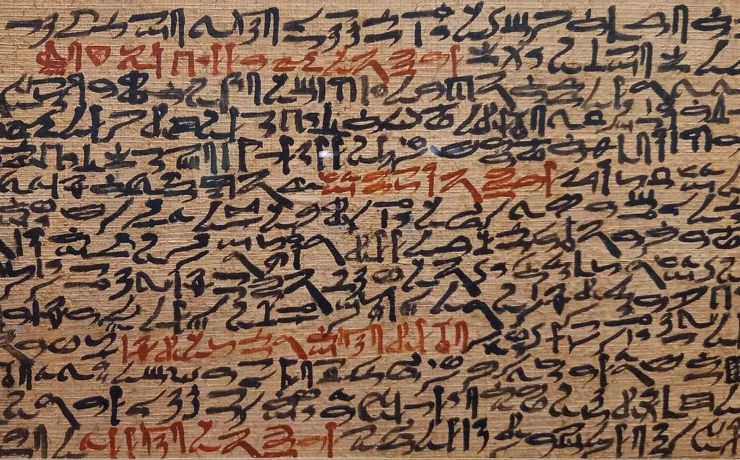
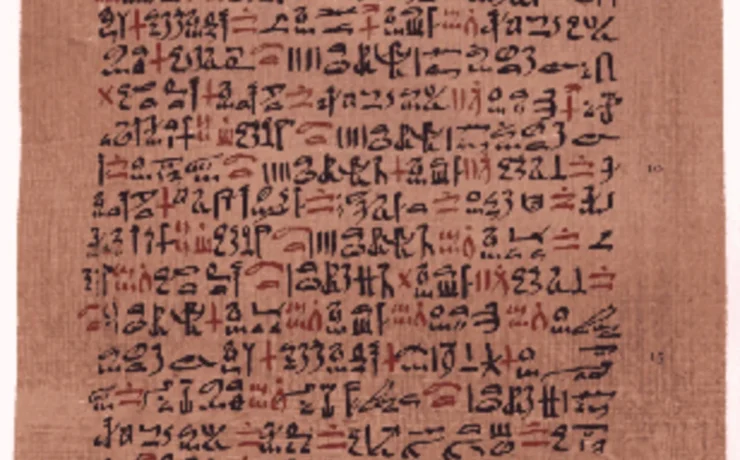
The royal administration building at Heit el-Ghurab points to the role of officials in organizing such operations. Clay sealings found in the area provide another sort of evidence. The AERA–Yale Sealings and Scribes project studies impressions left by seals on objects, containers and documents. By examining both the inscription and the material pattern on the back of a sealing, researchers can sometimes infer what was secured.
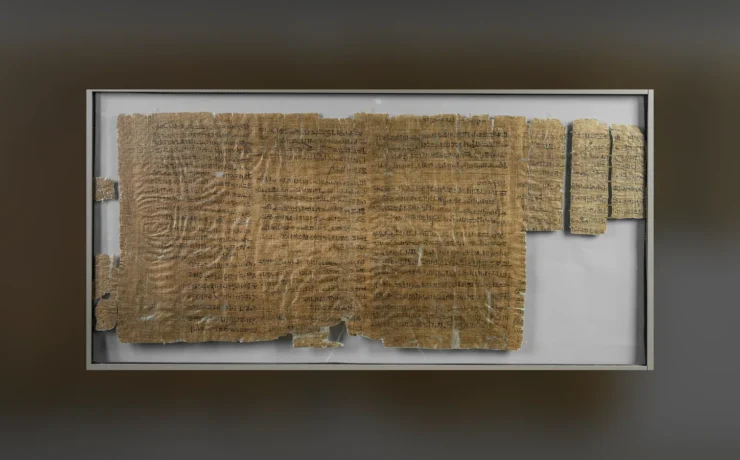
For a parallel from much earlier Egyptian state formation, our study of First Dynasty labels and sealings follows small objects from Abydos. The periods differ by centuries, and the early royal tags do not prove an unchanged bureaucratic system at Giza. The comparison shows why marks on everyday materials are so useful for studying administration at different points in Egyptian history.
What we don’t possess is a complete roster of every pyramid worker and each person’s exact ration. Surviving texts and archaeology can establish parts of the system. They cannot fill every gap, and a well-written history should leave those gaps visible.
Burials reveal the workers’ bodies, not just their output
A cemetery on the hill west of the settlement provides evidence for the people who lived around the work site. The Ministry describes modest tombs on lower slopes and larger tombs higher up, associated with different grades of overseers and craftsmen. Skeletal remains show signs of hard physical labor and injuries, some of which healed.
Those findings complicate simplistic pictures of pyramid building. They indicate a community with food supply, differing status and at least some capacity for caring for injured people. They do not settle every question about recruitment, coercion or labor conditions across all of ancient Egyptian history. The archaeological record comes from particular places and groups, and not everybody’s life is equally represented.
The people behind the pyramids become visible through the settlement’s rubbish and the cemetery’s graves as much as through the surviving stone monuments. That is one reason the work at Heit el-Ghurab has changed how scholars ask questions about pyramid construction.
A later model helps explain food work, but it isn’t Giza
The second image here is an authentic wooden funerary model in the Metropolitan Museum, object 11.150.12. It shows figures preparing meat, bread and beer. It comes from Meir in the Middle Kingdom, several centuries after the Fourth Dynasty, and was made for a tomb. It is not a photograph or excavated model of a Heit el-Ghurab bakery.

Used carefully, the image illustrates how later Egyptians pictured the work of preparing food. The actual Giza bakeries are known through excavated structures, pottery and other field evidence. Keeping those two kinds of evidence separate lets us appreciate both without merging them into an imaginary scene.
There is something refreshing about the settlement story. The pyramid’s perfect geometry is only half the achievement. The other half is in the ordinary routines that kept people fed, organized and able to work. Heit el-Ghurab does not reveal every ancient worker’s name, but it restores a great deal of human life to a landscape often photographed as though nobody ever lived there.