Visiting the Pyramids of Giza: A Complete Guide to Planning and Understanding the Site
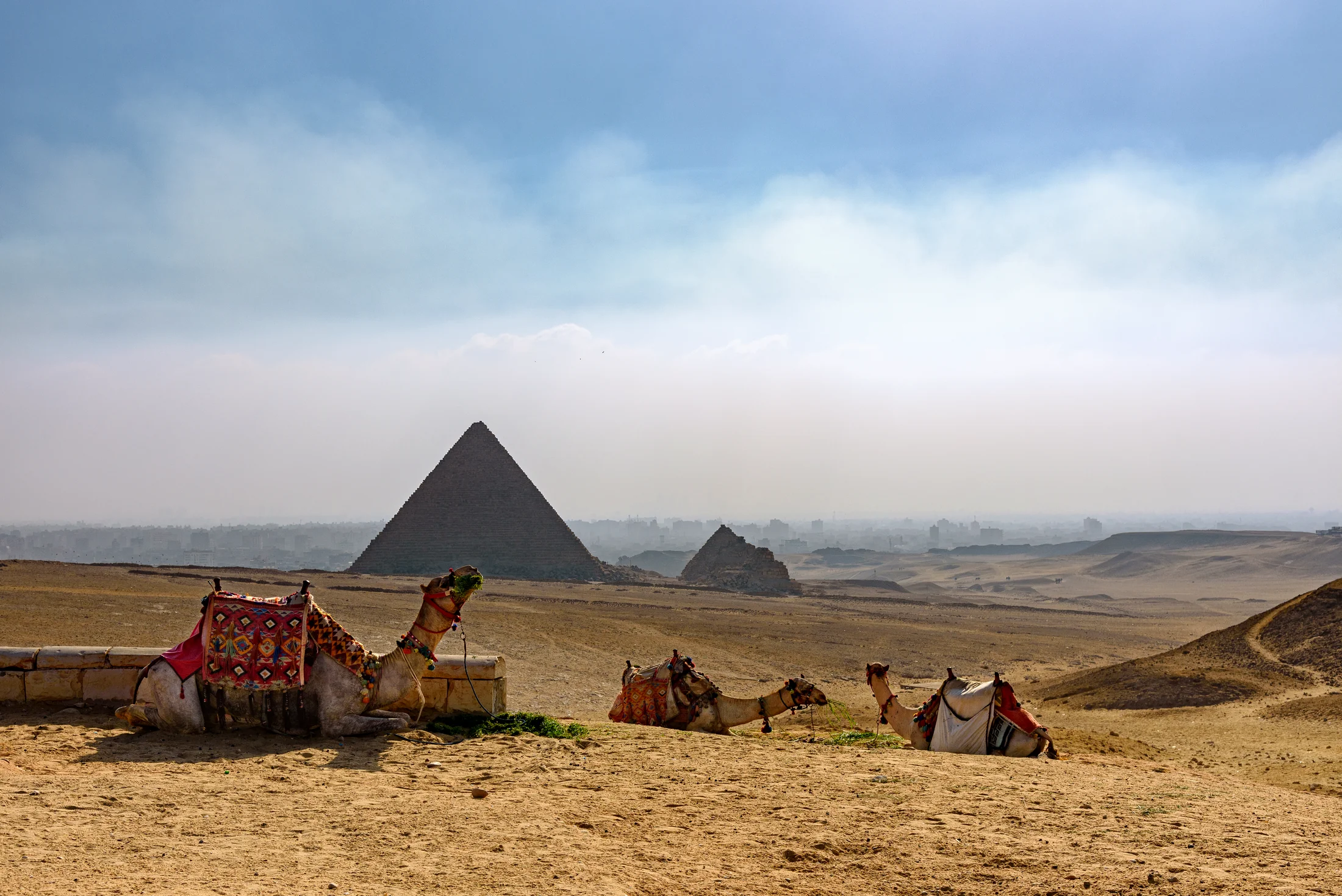
A visit to the Giza Plateau can be the highlight of a trip to Egypt, but it is easier to enjoy when the practical decisions are made before arrival. The complex is much larger than a single photo stop, entry arrangements may change, and the archaeological sites do not all share the same access rules. This guide focuses on planning a thoughtful visit, without substituting guesses for current official information.
Before you go: essential facts
Official prices and operational access can change. This is an editorial planning guide, not a live ticketing or safety advisory service.
What you can visit at Giza
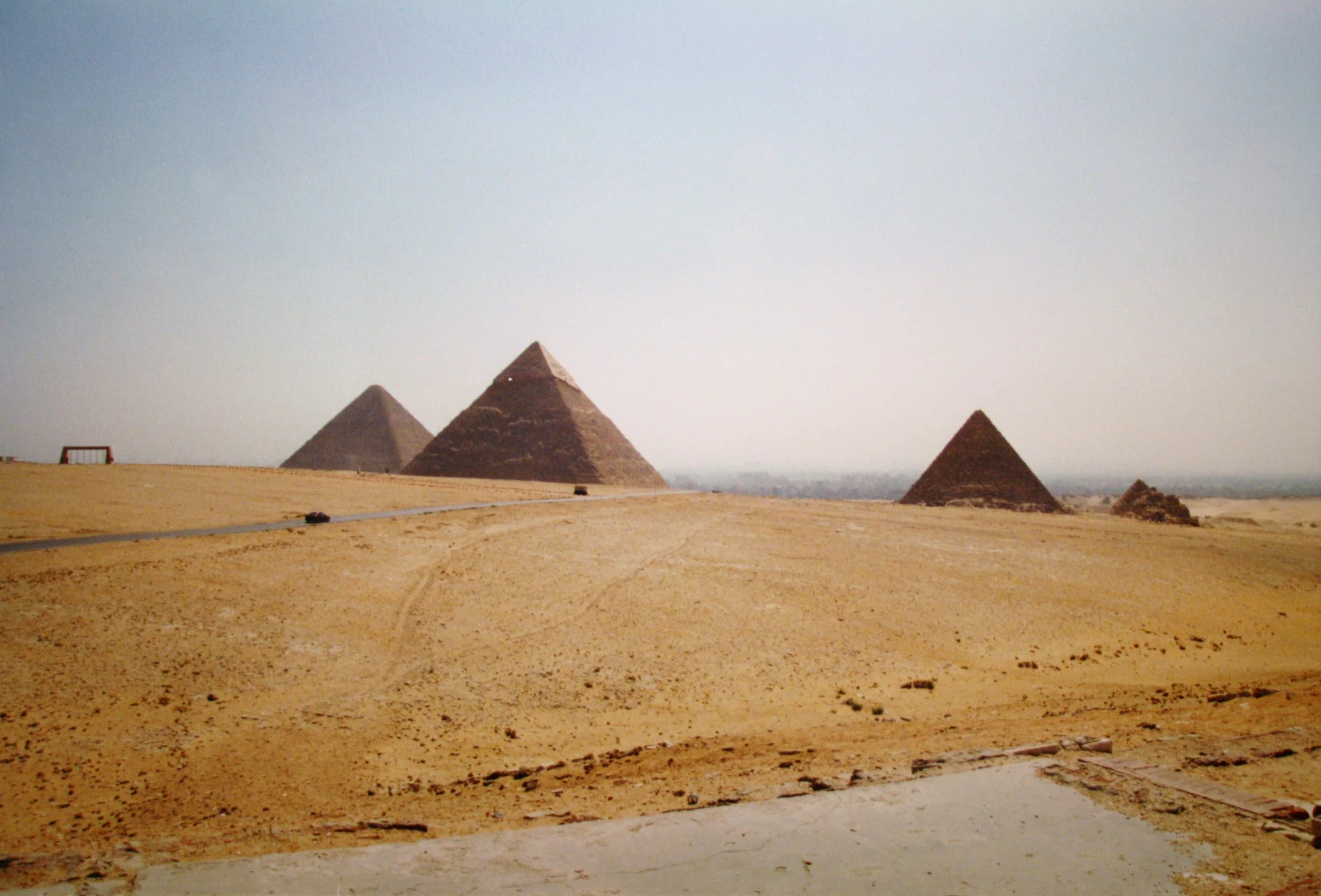
The plateau’s principal monuments include the Great Pyramid of Khufu, the pyramids of Khafre and Menkaure, the Great Sphinx and an extensive landscape of smaller pyramids, tombs and associated structures. Not every monument is open to visitors every day, and internal pyramid access can be sold separately from general admission.
It helps to distinguish between seeing a monument from outside, entering an interior and visiting an area subject to special arrangements. An itinerary built around these differences is more realistic than one that assumes a single ticket includes every chamber and tomb on the plateau.
Start with official visitor information
Before choosing a date, use the Egyptian Ministry of Tourism and Antiquities’ Giza Plateau page to check the current published opening hours, access notices and ticket categories. Use the Ministry’s official ticketing route where available, or authorized on-site payment channels.
Ticket prices, visitor routes, internal access restrictions and payment arrangements can change. Rather than publish an outdated price that might mislead a traveler, Kemet Vault will display dated, verified pricing only after checking the relevant official source. If you are planning an interior visit to a pyramid, confirm its availability separately before committing the rest of the day to it.
Plan by priorities, not by a rigid schedule
Many travelers arrive expecting to see everything in one short visit. The plateau is geographically extensive and contains many different kinds of sites. A better approach is to choose your priorities: monumental architecture, photography, an interior visit if available, an archaeology-focused guided walk, or a broader first impression.
History-first visit
Spend more time around the royal complexes, temples, tomb settings and Sphinx. Read the labels, follow official pathways and choose a trained guide able to explain archaeological context.
Photography-first visit
Allow time to reach designated viewpoints safely and factor light and crowds into the day. Avoid entering barriers or fragile monument zones for a photograph.
For families and travelers who cannot walk far, a shorter route with rest intervals may be more rewarding than a longer itinerary. Accessibility varies by terrain and facility, so contact the site’s operator for up-to-date mobility arrangements.
When should you arrive?
An early visit is often preferable during hotter periods because the plateau offers limited shade between exposed monuments. The most comfortable time of year depends on your tolerance for heat, weather conditions and crowd levels. In any season, expect open-air walking over uneven and sometimes sandy ground.
Allow generous time for transport from your accommodation, entry procedures, walking between viewpoints and the return journey. Trying to compress the entire plateau into a very short stop can reduce a remarkable archaeological landscape to a rushed series of photographs.
A practical order for a first visit
- Begin with orientation. Identify the official entry point for your planned access and check any updated transport or visitor circulation instructions.
- See the main pyramids. Take time to understand how the three royal complexes differ in scale and setting.
- Include the Sphinx area. View the monumental sculpture in relation to Khafre’s valley-temple complex rather than treating it as an unrelated attraction.
- Choose one detailed activity. This might be an available pyramid interior, a deeper examination of a particular complex or a more extended photographic stop.
- Leave spare time. Heat, walking distance and access restrictions can change how long each segment takes.
This is a planning framework, not a guaranteed route. Follow on-site instructions and restricted-area signs; conservation needs and visitor operations take priority over a prewritten schedule.
How to understand what you are seeing
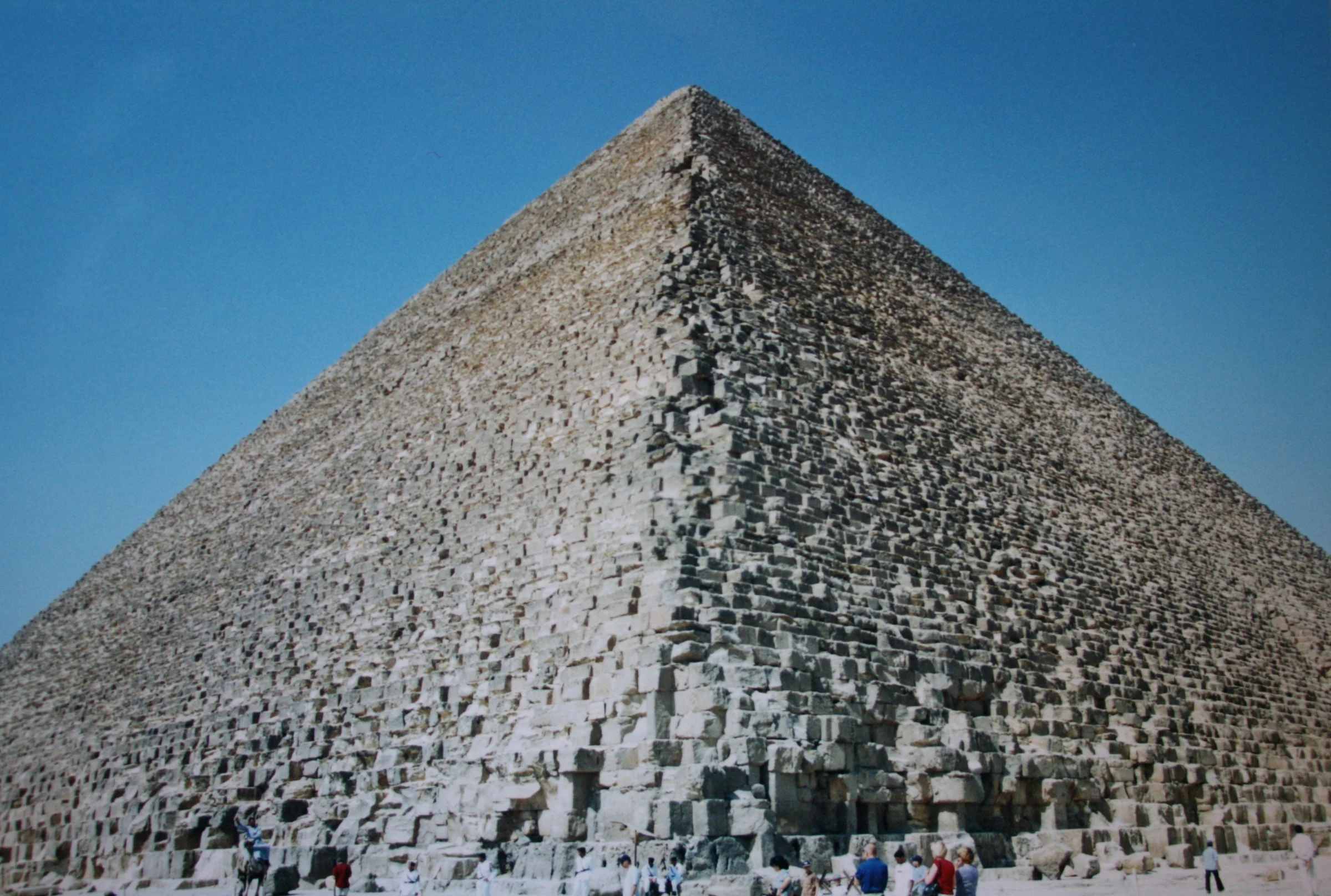
Standing beside a pyramid reveals scale but not automatically historical function. Khufu’s pyramid was part of a complex with subsidiary structures and evidence of organized administration. Khafre’s causeway, associated temples and the Sphinx provide different clues about monument planning. Menkaure’s complex also offers evidence of changes in building scale and stone use.
For students, a useful field exercise is to ask what survives, what has been reconstructed for visitor interpretation and what is inferred from excavations. Photograph labels with the archaeological feature they describe, where photography is permitted, so you can identify the evidence correctly later.
What to bring and wear
Comfortable shoes with grip are more useful than fashionable footwear on uneven surfaces. Carry drinking water, sun protection and any personal necessities for several hours outside. Lightweight layers can help with temperature changes, while a small bag makes movement easier. People who need step-free or reduced-walking access should check the site’s current accessibility arrangements before traveling rather than assume that every monument is accessible.
Photography rules may differ between outdoor viewpoints, interiors, professional shoots and equipment types. Do not assume a drone, tripod, flash or commercial photo session is permitted merely because a phone photograph is allowed. Confirm the rules and necessary permissions before arrival.
How to plan transport responsibly
Giza is part of the Greater Cairo urban region, but journey times vary widely with traffic and your departure point. Use a reputable licensed driver, an authorized transportation arrangement or another verified local option suited to your group. Arrange any return journey in advance if transport availability is a concern.
Travelers should avoid relying on arbitrary online estimates for airport-to-plateau or central-Cairo travel times. A practical itinerary considers buffer time and a clear pickup point as essential parts of the day.
Photographing the plateau with historical accuracy
Different viewpoints can make Khafre’s pyramid appear larger than Khufu’s because of its higher position on the plateau. Apparent height in a perspective photograph is not the same as measured size. When a claim involves dimensions or alignment, consult archaeological plans and measurements rather than relying on visual impression alone.
Historic monuments also change through conservation, erosion, modern pathways and past rebuilding. Avoid captions that label a restored or later structure as certainly original. This is particularly important if photographs are used for educational presentations.
Guides, vendors and respectful visits
A knowledgeable Egyptology guide can transform the experience by explaining where the temples, causeways and smaller tombs fit into the landscape. If you book a guide, agree on the language, scope, price and meeting place beforehand. Services offered on or around tourist sites vary, and it is sensible to clarify what is included before accepting anything.
Do not climb ancient structures or cross barriers, even if a photograph looks tempting. Stone, carved surfaces and archaeological deposits are finite resources. Respect posted conservation instructions and the people who work to protect the site.
One object that connects the visitor to ancient Giza
A visit becomes more meaningful when you know that small material objects also document the dynasty responsible for the pyramids. In The Met’s collection, a limestone relief represents a personification of an estate associated with Khufu. The inscription and museum interpretation point to how agricultural provisions supported royal ritual and commemoration. The block was recovered in a later context at Lisht, so its findspot must not be mistaken for its original position at Giza.
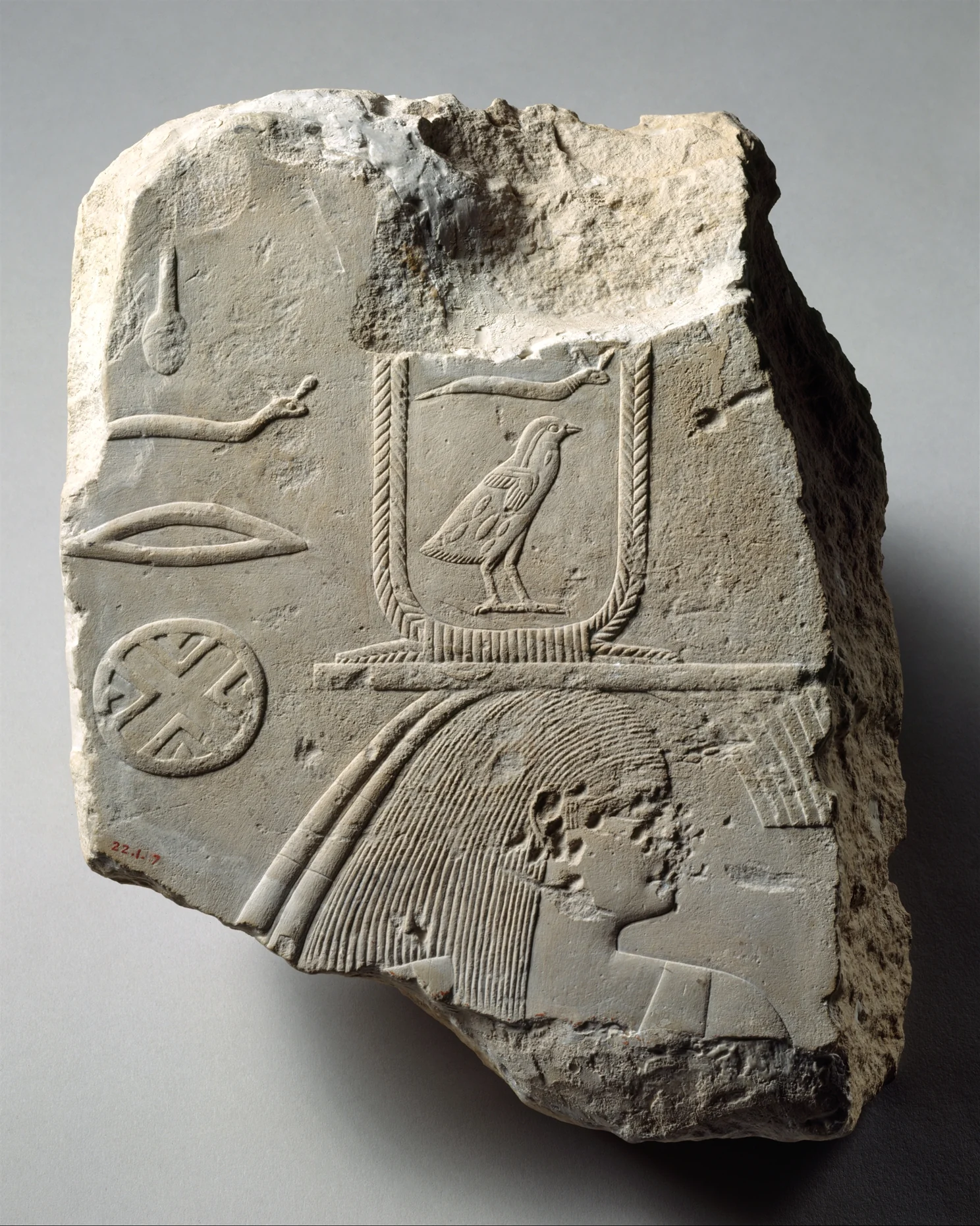
This sort of museum object makes the site more than a landscape of giant buildings: it provides a human and economic perspective on the life and ritual obligations that surrounded royal construction. The full explanation belongs in the Kemet Vault dossier on Khufu.
Choosing the right kind of Giza visit
A visit focused on architecture benefits from unhurried time at the main pyramid complexes and their relationship to the terrain. A visit focused on ancient art and religion may emphasize the Sphinx, valley temples and surviving funerary features. Visitors preparing for a class or research project may want a guide who can explain how an excavation report differs from a tourist legend. There is no single route suited to every visitor.
For first-time visitors
Identify the three principal royal pyramids and the Sphinx area, and make room for orientation and rest. Choose one or two subjects to investigate rather than treating the plateau as a checklist.
For students and history enthusiasts
Before arriving, review the Old Kingdom on Kemet Vault’s timeline and locate the funerary complexes on the atlas. At the site, record the difference between a royal pyramid, a subsidiary tomb and a valley temple.
For families and visitors needing an easier pace
Agree on a shortened route, check any available mobility arrangements and include water and rest stops. Walking surfaces, temperature and distances can be significant considerations.
For photography
Allow extra time for light conditions and designated viewpoints, and ask the site’s operator which equipment and professional photography arrangements are permitted. Do not approach fragile surfaces or cross conservation barriers.
Access and accessibility questions worth checking
Internal passages in the pyramids can be narrow, steep, enclosed or otherwise physically demanding. Not every traveler will want or be able to enter them. A person with limited mobility, respiratory concerns or discomfort in confined spaces should check the current official access information before buying a separate interior ticket.
Outdoor access is not uniformly level. Some areas may involve sandy, stony or sloped paths. Site operations can also change during conservation works or major visitor-management adjustments. Because accessibility information is time-sensitive, Kemet Vault does not claim that a particular internal chamber is wheelchair-accessible without confirmation from the operator.
How to check tickets without relying on outdated blogs
Ticket types for the plateau may distinguish site entry from individual monument interiors. Fees can also vary according to nationality, student status or applicable categories. Check the Ministry’s current official site and authorized ticket route close to your visit date. If a discounted category applies to you, follow the published identification requirements rather than trusting an informal account.
A private guide or tour operator may package transport, interpretation or ticket assistance, but this does not automatically mean the package includes every separately ticketed interior. Confirm the exact inclusions in writing before paying. Published access conditions always take precedence over a third-party sales description.
Link your visit to what you learn afterward
After visiting, the photographs and notes you collected can become a personal research trail. Identify the monument in each image, compare it with a documented plan, and verify the historical attribution. Students can look up museum objects from the same dynasty to connect architecture with religious ceremonies, provisions and daily life.
The Khufu dossier uses authenticated reliefs to explore royal administration; the Giza archaeology guide explains the landscape’s longer history. Neither guide can replace official, date-sensitive visitor instructions, but together they can make the experience richer than a sequence of photo stops.
Connect your visit with deeper research
For the history behind the monuments, Kemet Vault’s Temples & Monuments section explains Egyptian architecture and archaeology. Use the Archaeological Atlas to place Giza among other Egyptian sites, and the Interactive Timeline to follow the Old Kingdom alongside later Egyptian history.
Frequently asked questions
Is entering a pyramid included in general admission?
Do not assume so. Interior access may require a separate ticket and may be affected by operational or conservation restrictions. Check official ticket descriptions for your visit date.
Is Giza only worth visiting for the three main pyramids?
No. The wider cemetery, royal temples and the Great Sphinx help explain how the plateau worked as a monumental funerary landscape. They give context to the famous pyramid silhouettes.
Can I rely on prices shown in older travel articles?
No. Ticket rules and prices can change. Check the Egyptian Ministry’s current visitor pages and officially designated ticket channels rather than relying on an undated screenshot.
Official planning sources
- Egyptian Ministry of Tourism and Antiquities: Giza Plateau.
- UNESCO: Memphis and its Necropolis.
- Egyptian Ministry of Tourism and Antiquities: Menkaure’s Complex.
- The Met: Fourth Dynasty relief, estate associated with Khufu.
Last source review: 17 October 2026. No live entry prices, access guarantees or transport times are asserted here. Review operational details again before publication.