Khufu: Pharaoh, Great Pyramid, Royal Power and the Archaeological Evidence
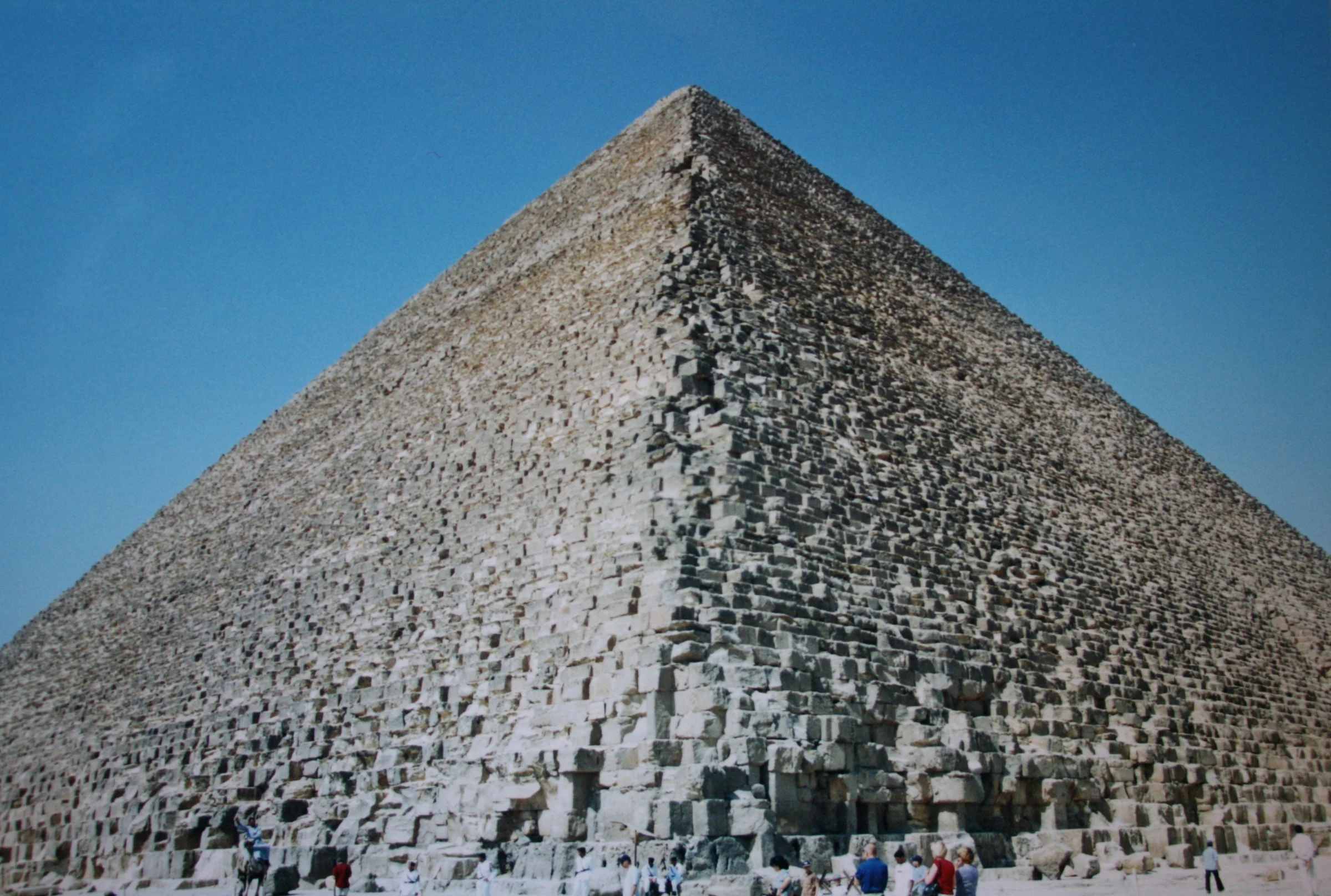
Khufu, called Cheops in Greek sources, ruled during Egypt’s Fourth Dynasty in the Old Kingdom. His name is inseparable from the Great Pyramid at Giza, but the monument alone is not a complete biography. To understand the king, we need to look at the archaeology of the royal cemetery, the administration that supplied its building projects and the few surviving records that refer directly to his reign.
Khufu at a glance
Dates below follow the cited institution where explicitly noted. A different museum chronology may place the same reign several decades later; such variation must not be hidden or treated as a historical contradiction.
Start with the evidence
Four useful categories of evidence: the surviving Giza monuments; inscriptions and excavated Old Kingdom objects; contemporary administrative papyri; and later accounts that must be read as later interpretations. A famous building cannot tell us everything about the person who commissioned it.
Who was King Khufu?
Khufu belongs to the family of rulers conventionally grouped as the Fourth Dynasty. His father is generally identified as Sneferu, a king whose pyramid projects at Dahshur and Meidum helped establish techniques later developed on the Giza Plateau. Khufu’s son Khafre is associated with the second major pyramid at Giza, while Khafre’s successor Menkaure built the third. Family relationships and exact successions should be interpreted with reference to inscriptions and archaeological evidence rather than assumed to be known in every detail.
Beyond his building projects, surprisingly little direct narrative evidence survives about Khufu’s personality or day-to-day decisions. Later authors wrote stories about him, but their accounts reflect the eras in which they were composed. A responsible profile distinguishes later literary traditions from physical remains produced in or near his lifetime.
A working chronology of Khufu’s world
Before Khufu: Sneferu’s pyramid experiments
Sneferu’s projects at Meidum and Dahshur help explain the architectural background to the Great Pyramid. The precise sequencing and interpretation of individual building phases have been debated, but their importance to the evolution of royal pyramid design is widely accepted.
Khufu’s reign: a state-organized royal complex
Giza was expanded as a royal funerary landscape. The pyramid, related temples, subsidiary burials, boat pits and associated cemeteries require interpretation as a whole rather than as unrelated tourist attractions.
The reign’s final years: a record of Tura stone transport
Merer’s diary in the Wadi al-Jarf papyri records the movement of high-quality building stone toward the Great Pyramid project. It does not reveal the complete engineering method, but it documents workers, journeys and named destinations.
After Khufu: royal continuities and change
Later Fourth Dynasty rulers, including Khafre and Menkaure, are connected with their own Giza pyramid complexes. Their sites allow comparison of architecture, scale and ritual investment across generations.
Why did Khufu build the Great Pyramid?
The Great Pyramid was at the center of Khufu’s funerary complex. Its place in the landscape and the other buildings around it show how royal burial, religious commemoration and state power were connected. The pyramid was not an isolated stone triangle; a mortuary temple, a causeway, subsidiary pyramids, elite tombs and boat pits formed parts of a much more extensive sacred and administrative setting.
According to the Egyptian Ministry of Tourism and Antiquities, its original height was approximately 146.5 meters. Much of the original fine limestone casing was removed or lost over time, leaving the rougher masonry visible today. The size of the monument is impressive, but explaining the building requires more than quoting dimensions. Its stone sources, transport networks, quarrying techniques and the organization of workers are all archaeological questions.
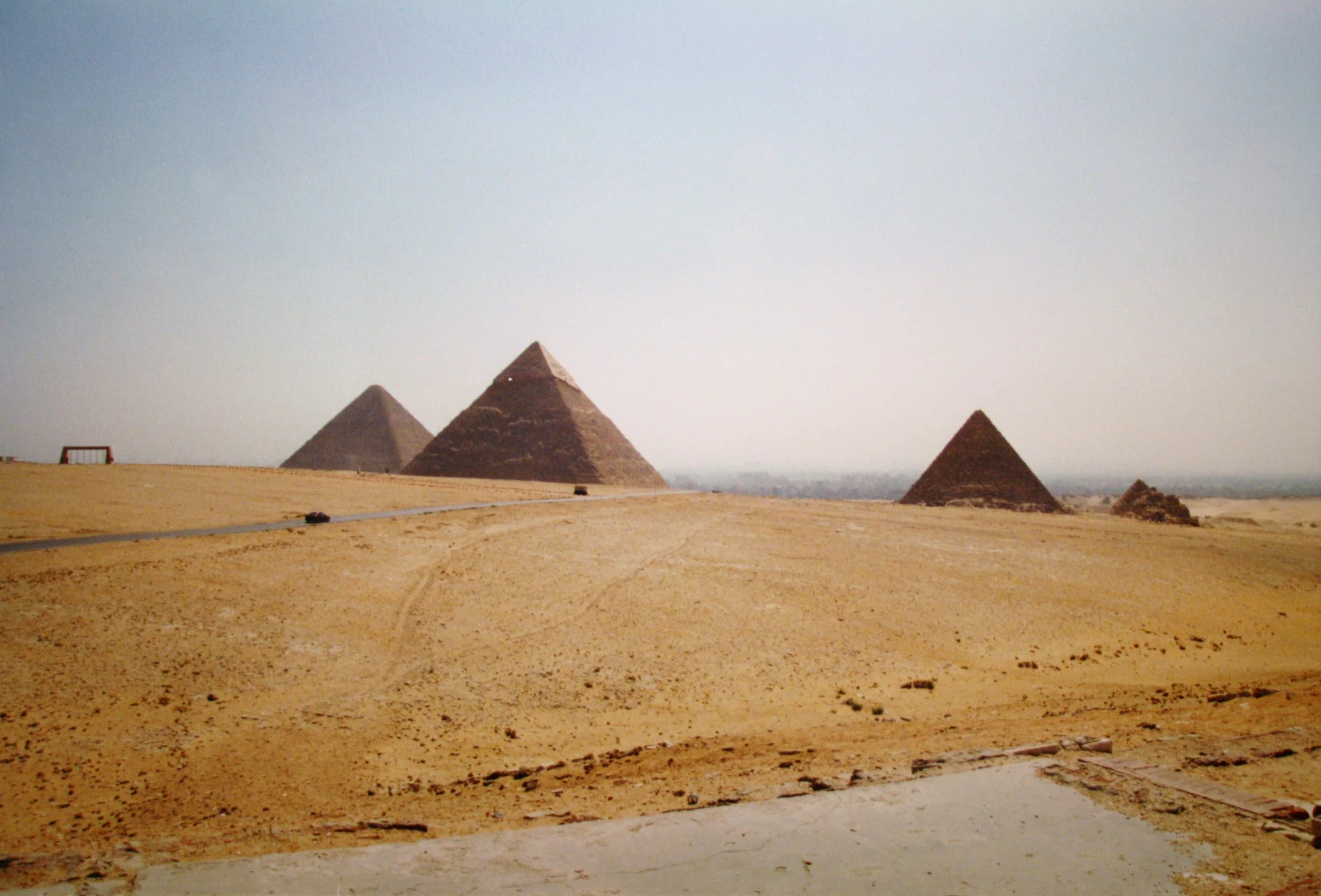
Why the surrounding landscape matters
The pyramid complex did not exist independently from the living city and administrative world of ancient Egypt. Stone was quarried, transported and assembled. Food and equipment had to reach work teams, while ritual spaces were arranged to sustain royal remembrance. Each material trace answers a different question. Stone joints help researchers examine construction; administrative texts illuminate transport; tomb inscriptions help map relationships among officials and families.
The phrase “the pyramid builders” can conceal different trades and roles. Quarry workers, ship crews, masons, craftsmen, administrators and food suppliers may have occupied different positions within the system. A scholarly treatment therefore avoids turning a varied working population into one unsupported stereotype.
Inside the pyramid
The interior has an unusual arrangement of passages and chambers. The lower chamber was cut into the bedrock, while two other large spaces sit higher within the structure. The so-called King’s Chamber contains a stone sarcophagus, reached through the ascending route and the Grand Gallery. Names such as “King’s Chamber” and “Queen’s Chamber” are modern conventions and are not, by themselves, proof of how every part of the building was used.
Claims about newly discovered rooms or hidden treasures deserve especially careful scrutiny. Structural measurements, non-invasive scans and published excavations can change our understanding of the interior, but they do not automatically establish sensational interpretations. Kemet Vault will distinguish peer-reviewed archaeological evidence from proposals and popular speculation.
What surviving reliefs reveal about royal power
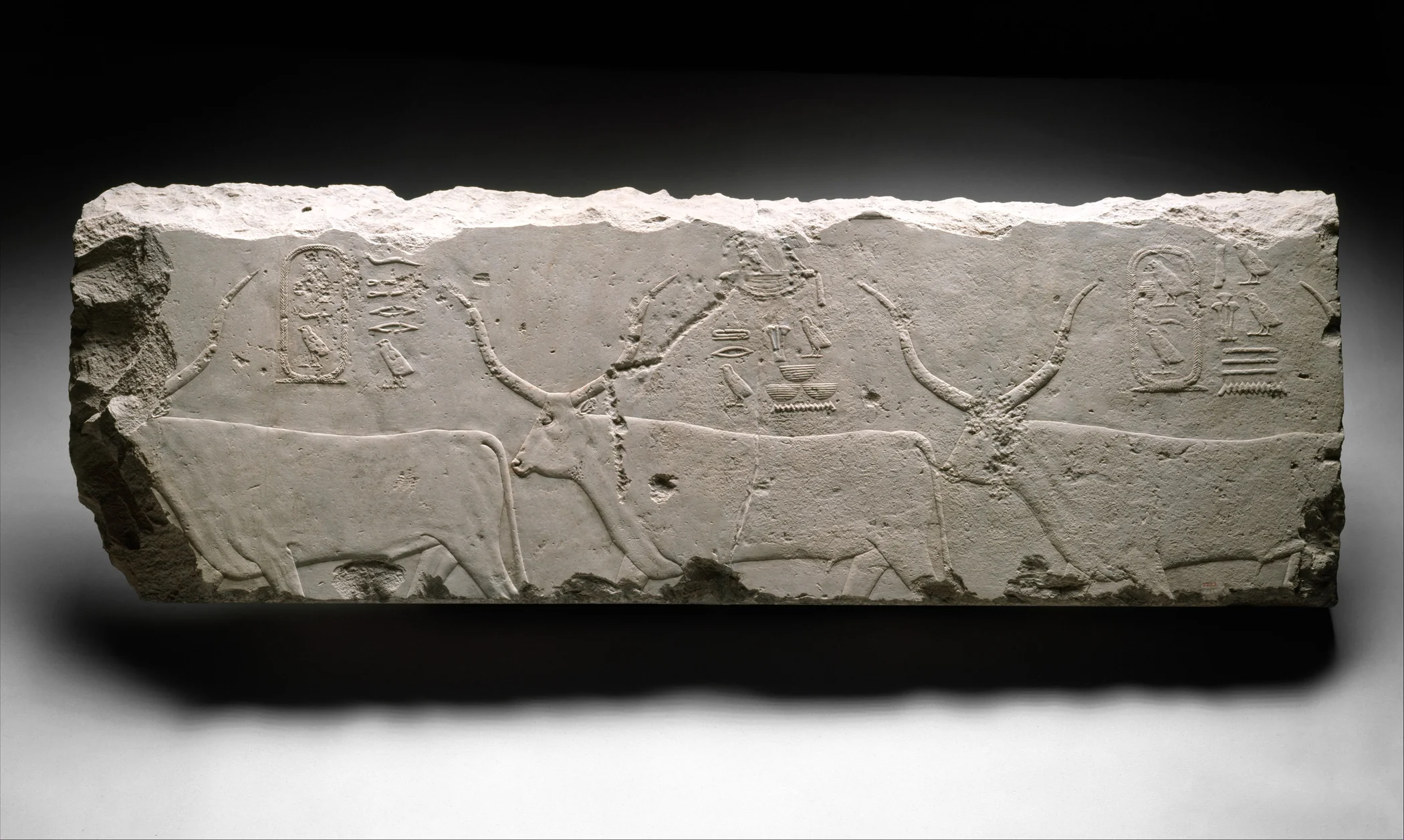
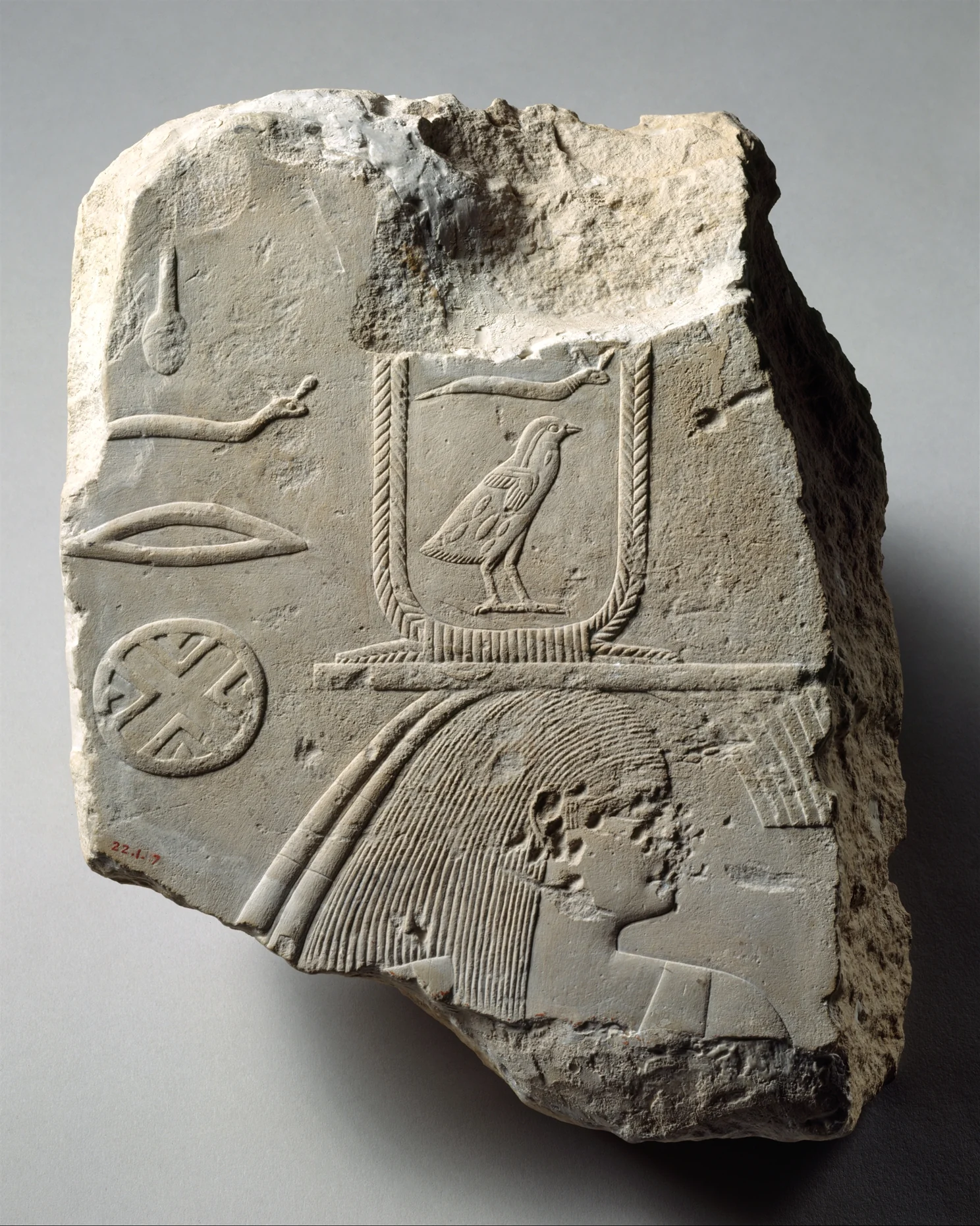
Royal stone architecture is only one kind of evidence. The Metropolitan Museum of Art preserves Old Kingdom relief fragments assigned to Khufu’s reign. Their inscriptions and imagery can reveal how estates supplied the royal funerary cult, how offerings were represented and which forms of art were current at the time. The captions below identify the institution and accession number so students can locate the exact object.
Why fragments found at Lisht matter
Some Fourth Dynasty reliefs were reused centuries later in buildings connected with the pyramid complex of Amenemhat I at Lisht. Reuse is part of the object’s archaeological history. The findspot of a reused block does not necessarily identify its original display location. Researchers therefore compare style, inscriptions, material and excavation records before reconstructing a monument’s former decoration.
These objects also challenge a common impression that Khufu’s age can only be studied through vast stone engineering. Surviving small-scale images can preserve royal names, offering practices and information about the administration of memorial estates. Museum accession numbers make the evidence verifiable, and image provenance allows other students to inspect the same piece.
Workers, transport and Khufu’s economy
The pyramid’s construction required more than stonecutting. Food, water, tools, river craft, skilled crews and administrative oversight had to be coordinated. The archaeological remains of settlements and working areas near Giza help explain the human infrastructure behind the monument. The popular picture of one undifferentiated mass of enslaved laborers does not describe the complexity shown by the evidence for organized work teams and provisioning.
One exceptionally valuable source is the archive found at Wadi al-Jarf on the Red Sea. Parts of the papyri date to the end of Khufu’s reign. Logbooks associated with an official named Merer describe transport work involving fine limestone from Tura and the Giza building project. This is direct documentary evidence for specific logistics, not a complete step-by-step manual explaining how every course of the pyramid was built.
The Wadi al-Jarf harbor also shows that Khufu’s administration operated beyond the Nile Valley, maintaining activity and infrastructure near the Red Sea. That broader geographic perspective matters when studying the scale of the Old Kingdom state.
Royal art, identity and the limits of attribution
What is directly recorded?
The Met identifies reliefs mentioning Khufu and dates them to his reign. The Wadi al-Jarf documents preserve administrative activity connected with the Great Pyramid project. These are different but complementary sources.
What must remain uncertain?
Images of officials and unidentified heads are not authenticated portraits of Khufu merely because they come from Fourth Dynasty contexts. The exact location of a reused block in its original building can also remain uncertain.
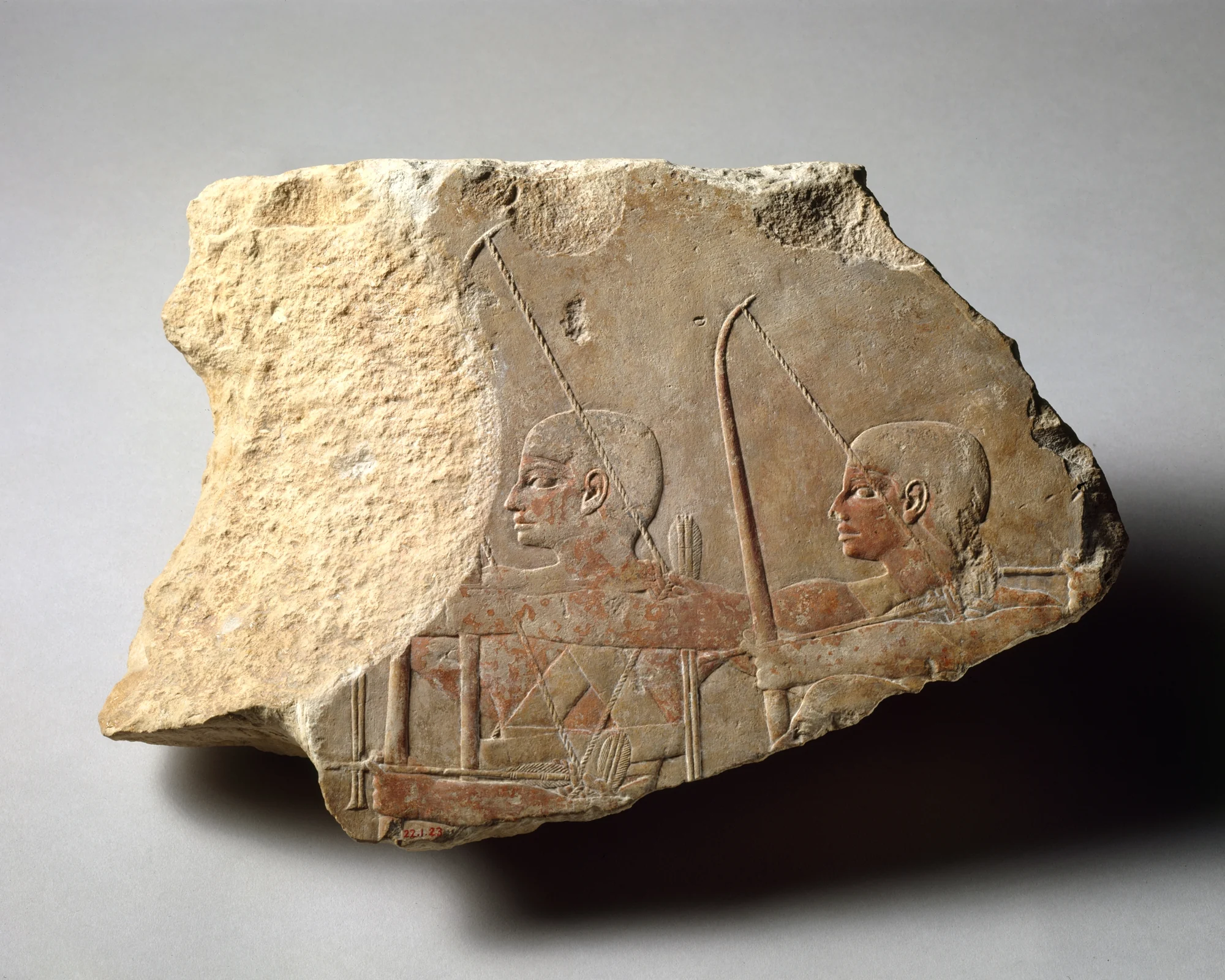
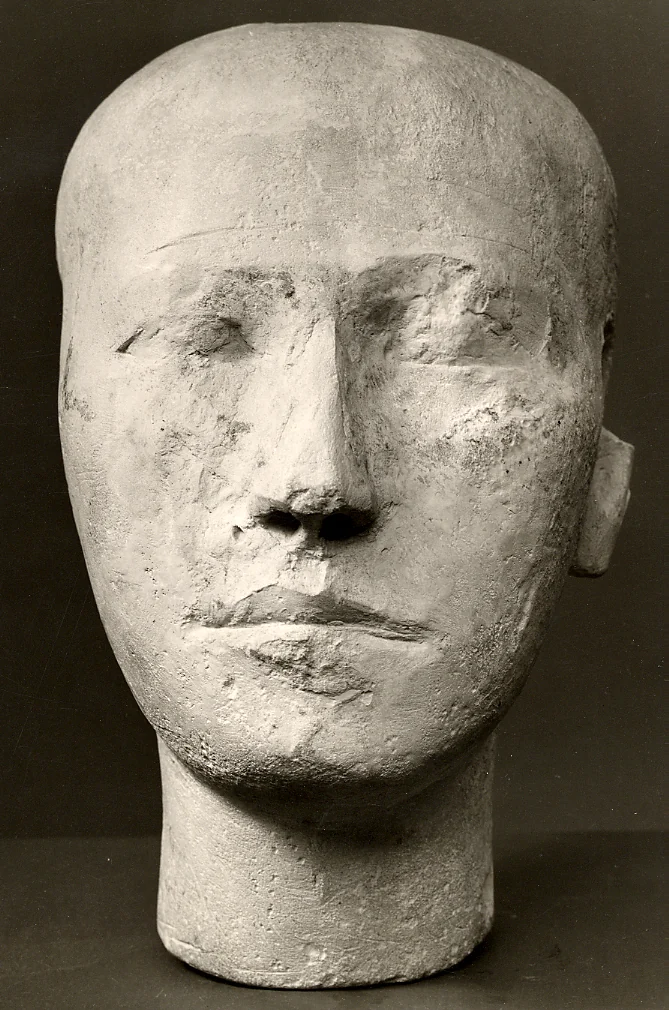
A student’s first task is to ask what the object is, followed by how securely it can be dated and attributed. Visual resemblance alone does not establish a historical identity. Connecting an object to a king is a research conclusion, not something that can be inferred from the image’s aesthetic style.
What the surviving statues tell us
Khufu’s huge pyramid contrasts with the tiny amount of securely identifiable royal sculpture surviving under his name. The Egyptian Museum in Cairo records a small ivory seated statuette discovered at Abydos in 1903, approximately 7.5 cm high, bearing his name. The museum identifies it as the only known surviving three-dimensional representation of the king.
Although widely reproduced, a photograph of the statuette should not be presented as original content owned by Kemet Vault unless its image license has been checked. Our current profile therefore uses an openly licensed photograph of Khufu’s pyramid, while linking to the Egyptian Museum’s authoritative object record for the statuette. A future dossier can include a locally hosted licensed photo when one is confirmed.
Khufu’s pyramid complex in context
The Giza cemetery contains monuments associated with queens, royal relatives and officials. These graves matter to the historical study of Khufu because they show how elite burial and royal commemoration occupied the same landscape. Inscriptions, tomb architecture and excavation records give evidence for relationships, responsibilities and commemorative practices that cannot be reconstructed from the largest pyramid alone.
The pyramid and its associated buildings were also used and interpreted after Khufu’s lifetime. Later Egyptians encountered the monuments as ancient sites, and subsequent travelers and researchers described them through their own intellectual traditions. Understanding those layers prevents the confusion of original Fourth Dynasty architecture with modern access routes, restorations and later legends.
What is certain, and what remains open?
The identification of the Great Pyramid with Khufu and its broad Fourth Dynasty date are established in mainstream Egyptology. The site’s original relationship to the mortuary complex, its limestone construction and the logistical significance of the Wadi al-Jarf papyri are supported by strong evidence.
Questions about some aspects of the detailed construction sequence, labor scheduling and individual architectural choices remain subjects of study. It is reasonable to discuss competing hypotheses, provided they are explicitly named as hypotheses rather than treated as settled facts.
Learning guide: how to study Khufu scientifically
Khufu is a useful case study in interpreting different classes of evidence. Students can compare an inscribed relief, a transport logbook and an architectural feature. Each record was made for a different reason, and its limitations are different. A royal monument is a public display of lasting commemoration, while a shipping log provides narrower evidence for daily administrative processes.
Identify the claim precisely
“A royal funerary complex existed at Giza” is a different claim from “we know the exact construction schedule.” Avoid using evidence for the first claim to support the second without justification.
Find the primary or institutional record
Look for a museum accession number, excavation publication, archaeological site record or translated papyrus with its original context. Record the holding institution and date of the modern interpretation.
Separate historical dates from modern estimates
Reign dates are reconstructed, not printed on surviving Egyptian calendars in modern BCE notation. Compare the scheme used by the Ministry and the scheme used by a museum when exact years differ.
Use images as evidence, not decoration
Confirm that an image shows the correct monument or object; distinguish a genuine photograph from a reconstruction; and preserve the source, rights and accession number in its caption.
For travelers: what can you see at Giza today?
Visitors encounter the Great Pyramid, the wider royal cemetery and views toward the other principal Fourth Dynasty complexes. Ancient architectural features are seen through a modern visitor route, which may change for conservation or operational reasons. Seeing a pyramid from the outside is not the same as entering its interior; ticket categories, opening times and access rules should be checked through official channels.
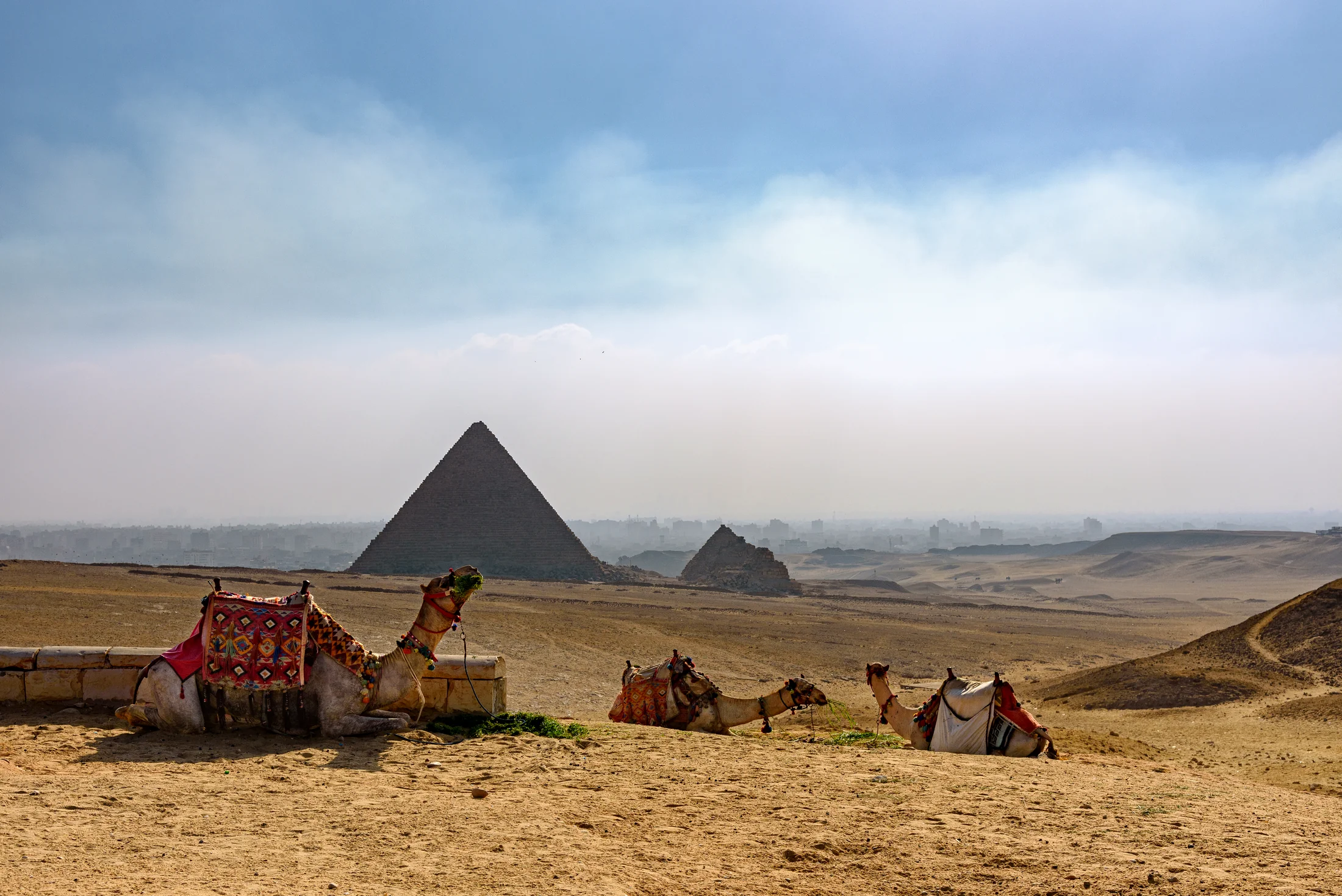
For a scholarly field visit, try to identify each pyramid’s relation to the surrounding temples and cemeteries before concentrating on photographs. Compare the view with the Archaeological Atlas, and place it within the Old Kingdom on the timeline. Avoid climbing monuments, entering restricted areas or assuming that old ticket-price screenshots remain reliable.
Explore Khufu through Kemet Vault
Follow the Old Kingdom on the Interactive Timeline to explore the Fourth Dynasty and its royal dossiers. Open Giza in the Archaeological Atlas for the location and nearby monuments. Browse the Temples & Monuments and Dynasties & History sections for more historical context.
A separate visitor guide will cover tickets, opening times and practical sightseeing without mixing changing travel information into this historical biography.
Frequently asked questions
Was Khufu the first Egyptian king to build a pyramid?
No. Pyramid construction developed earlier, including the Step Pyramid associated with Djoser in the Third Dynasty and later experiments linked with Sneferu. Khufu’s project belongs to an existing but rapidly evolving royal building tradition.
Do we know exactly how Khufu’s pyramid was constructed?
No single fully documented ancient building manual has survived. Archaeologists combine engineering analysis, quarry evidence, tool marks, logistics records and comparative construction remains. Some questions are well understood; others are still debated.
Does the Great Sphinx represent Khufu?
The evidence discussed by Egypt’s Ministry of Tourism and Antiquities associates the Great Sphinx more strongly with Khafre and the setting of his valley temple. It should not be attributed to Khufu simply because Khufu’s pyramid is nearby.
Sources and image provenance
- Egyptian Ministry of Tourism and Antiquities — The Great Pyramid.
- Egyptian Ministry of Tourism and Antiquities — Giza Plateau.
- Egyptian Ministry of Tourism and Antiquities — Wadi al-Jarf Port.
- Egyptian Museum Cairo — Statuette of Khufu.
- Museum of Fine Arts, Boston — Wadi al-Jarf papyri and Giza archaeology lecture overview.
- Gary Todd, Great Pyramid of Khufu photograph — Wikimedia Commons, CC0 1.0.
- The Met — Relief fragment with king Khufu’s cattle, 22.1.3a,b.
- The Met — Personification of a Khufu estate, 22.1.7.
- The Met — Archers, 22.1.23, Khufu or Khafre.
- The Met — Reserve head, 48.156, Giza eastern cemetery.
Editorial review note: original Kemet Vault text, drafted from identified research sources. Chronological dates follow the Egyptian Ministry of Tourism and Antiquities where stated and may differ in other chronological systems. Source links are citations, not dependencies for article rendering.