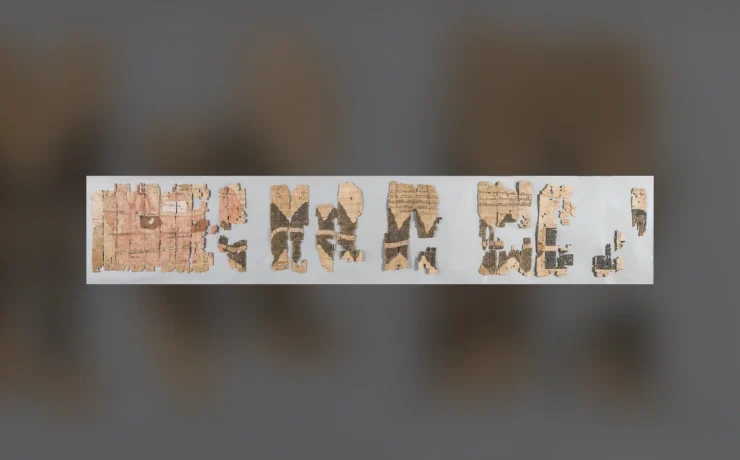
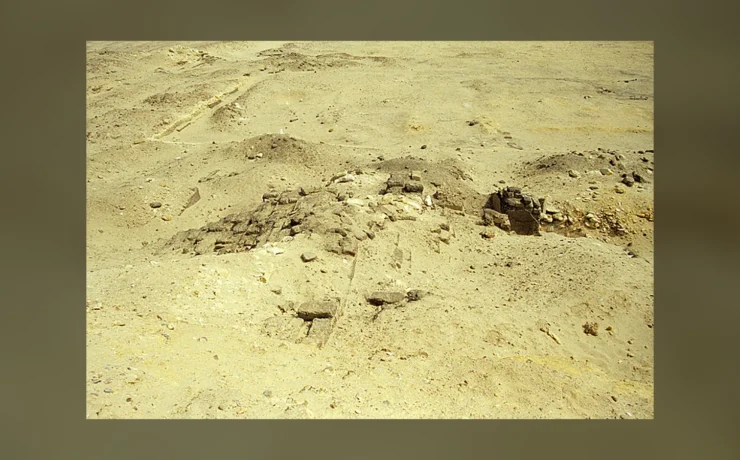
Tutankhamun’s tomb is surprisingly small. Compared with the long corridors and elaborate chambers of some other royal tombs in the Valley of the Kings, KV62 feels compact. Yet beyond its staircase and passage lie four very different rooms, each offering a glimpse of what was prepared for the young king’s burial.
The key is to follow the layout rather than only the treasure. The antechamber held furniture and vehicles; a cramped annexe was packed with objects; the burial chamber protected the king’s body; and the treasury contained sacred equipment for the afterlife. Understanding what was found in each room makes the tomb far more interesting than a single photograph of the golden mask.
A short route into a complicated burial
The Griffith Institute’s Tutankhamun Spatial Archive begins with an entrance staircase, two sealed doorways and a corridor before the antechamber. From the antechamber, a side entrance leads to the annexe, while another doorway opens into the burial chamber. The treasury lies beyond the burial chamber.
This is the basic architectural plan of KV62. It is not four identical halls in a row, and the rooms did not have the same function. Howard Carter’s own December 1923 draft plan preserves the relationship between rooms and sealed passages, making it possible to compare the excavators’ observations with later archaeological diagrams.
The tomb is associated with a young king of the Eighteenth Dynasty, but its modest size has inspired debate about how and when its plan was prepared. The surviving architecture is certain; the reasons for every design decision are harder to establish. A room’s small dimensions by themselves do not identify who originally planned to be buried there.
The antechamber: chariots, couches and the pressure of space
When the team reached the antechamber in November 1922, it saw a room crowded with furniture and funerary goods. Chariots, ceremonial couches, boxes and other objects stood in a dense arrangement. The two guardian statues near the sealed burial-chamber entrance became some of the most recognizable images from the excavation.
But the room was not a modern exhibition hall designed to show its contents one by one. The placement of objects, their relationship to one another and the signs of ancient disturbance were all archaeological evidence. Removing an item for conservation also changed what could be observed in the room itself.
The archive associates particular Carter object numbers with each room. Those numbers help researchers connect a photograph, handwritten card and surviving object to an original location. They are more reliable than a list of famous treasures repeated without identifying where they were actually found.
The annexe: a crowded room marked by ancient disturbance
The annexe is a small side room entered from the antechamber. The Oxford room record describes it as an area crowded with mixed objects, badly affected by ancient robbery and later used as overflow when the tomb was put back into some kind of order.
There were beds, stools, boxes, vessels and other goods. Carter’s inventory numbers for this chamber run through the 337–420 sequence. That range identifies the archive’s object group, not a count of exactly eighty-four complete objects. A single registered entry could cover multiple parts.
The annexe is particularly revealing because it does not look like the neat, symmetrical image of a royal tomb that appears in popular art. It preserves evidence of hurried storage, disruption and the difficult work of recording a space where objects overlapped. The archival third volume of Carter’s tomb account offers his detailed description, but its interpretations should still be considered in the light of subsequent research.
The burial chamber: the room with painted walls
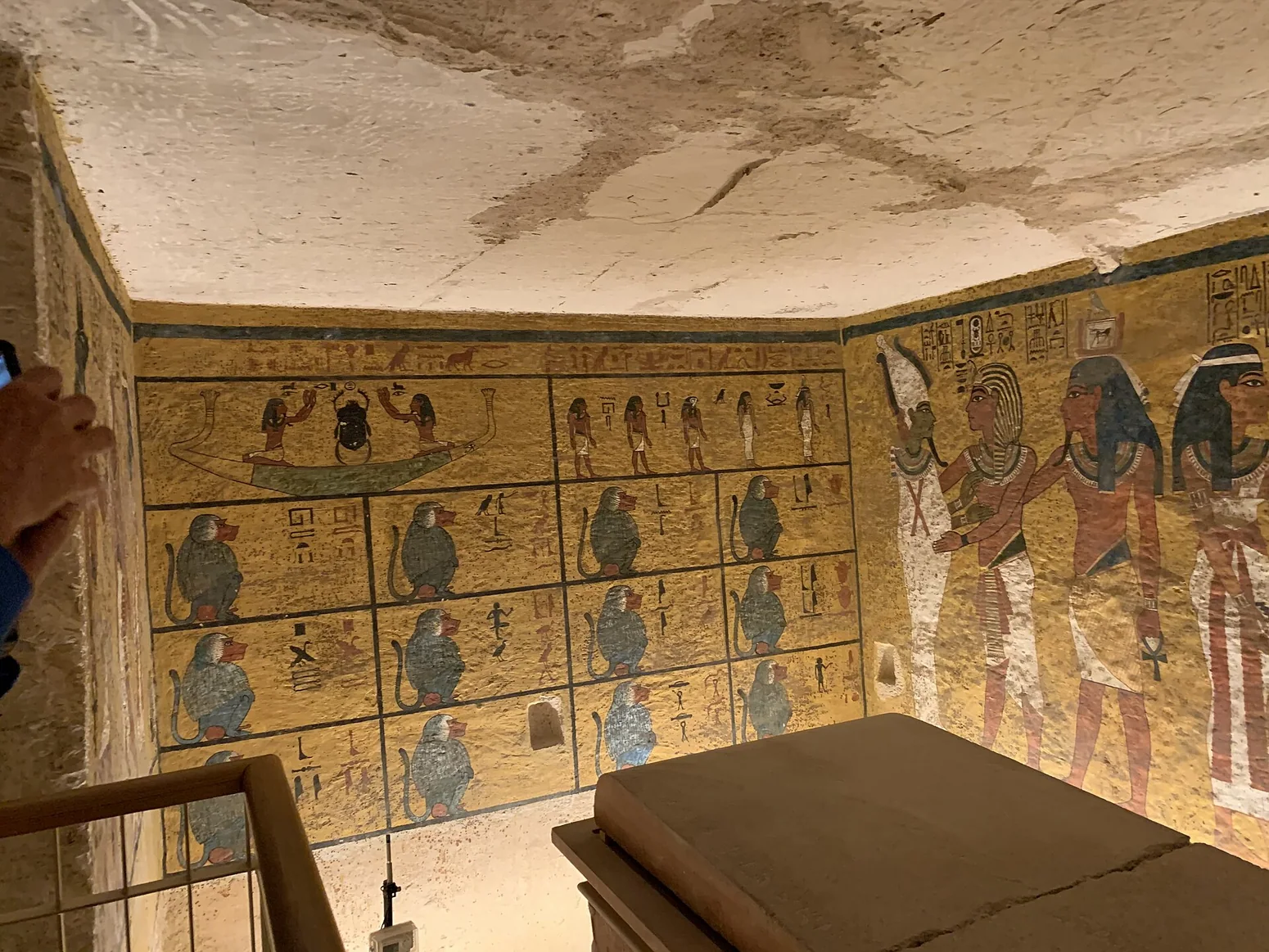
The burial chamber was the architectural and ritual center of the tomb. It contained four nested gilded shrines enclosing the quartzite sarcophagus and the coffins that protected the king’s mummy. Its painted walls carry scenes of funerary ritual and the king’s passage into the next world.
Compared with the relatively plain walls in the surrounding rooms, the decoration gives the burial chamber a distinct identity. The Griffith Institute’s burial chamber record also notes niches associated with magical bricks and the arrangement of the shrines. The walls can be read as a program of royal protection, not merely as an attractive background for the sarcophagus.
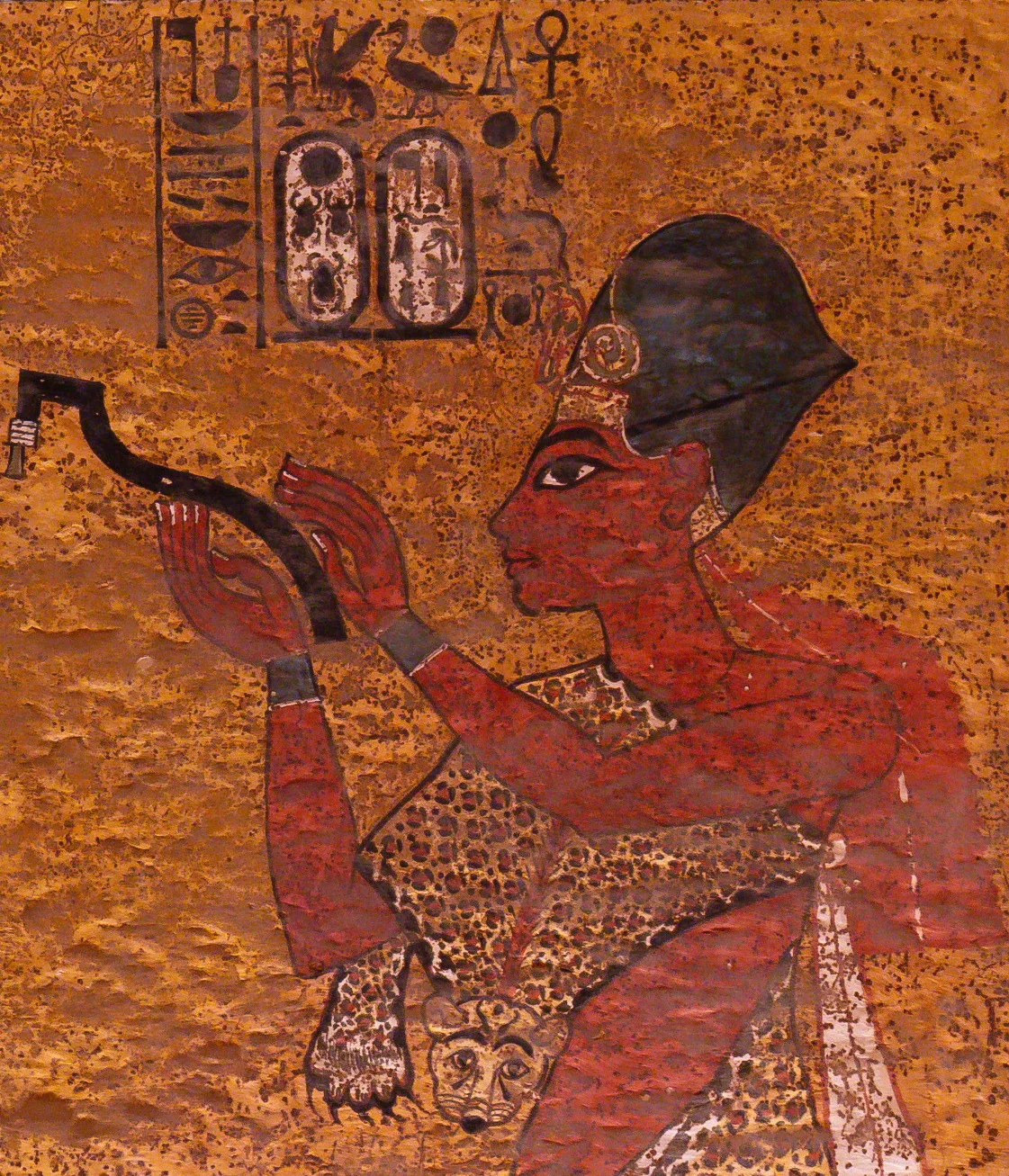
One scene depicts the king with Ay performing the Opening-of-the-Mouth ritual. Ay became king after Tutankhamun. The image belongs to a funerary context and should not be described as a photograph of a real ceremony. It is a wall painting showing how Egyptian artists represented an act essential to royal afterlife beliefs.
The treasury: Anubis, canopic equipment and many small objects
A low opening from the burial chamber led to the treasury. According to the Oxford room description, a shrine bearing the figure of Anubis dominated the threshold, while the room contained the canopic shrine and numerous boxes and other ritual goods. Some of the jewelry containers had been disturbed in antiquity.
The treasury was not a money vault in the modern sense. Its objects belonged to the practical and sacred preparations for the royal afterlife. The name reflects how the excavators understood the room’s rich contents, but the items served different functions.
Carter’s inventory for this area includes object numbers 261–336, with additional subdivisions. That is why counting the catalogue numbers as if each represented one independent finished object would be misleading. The photographic and written records make it possible to trace the groups more carefully.
The four rooms at a glance
| Room | What stands out | What it helps explain |
|---|---|---|
| Antechamber | Furniture, chariots, guardian statues and packed equipment | Material preparations around the burial |
| Annexe | Mixed goods and signs of ancient disruption | Storage and disturbance within the tomb |
| Burial chamber | Painted walls, shrines, sarcophagus and coffins | Royal burial and funerary ritual |
| Treasury | Anubis shrine, canopic shrine and ritual objects | Protective and sacred equipment for the afterlife |
For the detailed chronology of how Carter reached these rooms, see our separate account of the 1922 discovery diary. That article follows dates and excavation decisions; this one explains the rooms and what the archaeological contents mean. The two answer different questions.
The true wonder of KV62 isn’t that a relatively small tomb contained so many objects. It’s that its rooms still preserve enough context for us to ask how furniture, food containers, sacred images and burial equipment worked together in an ancient royal funeral.