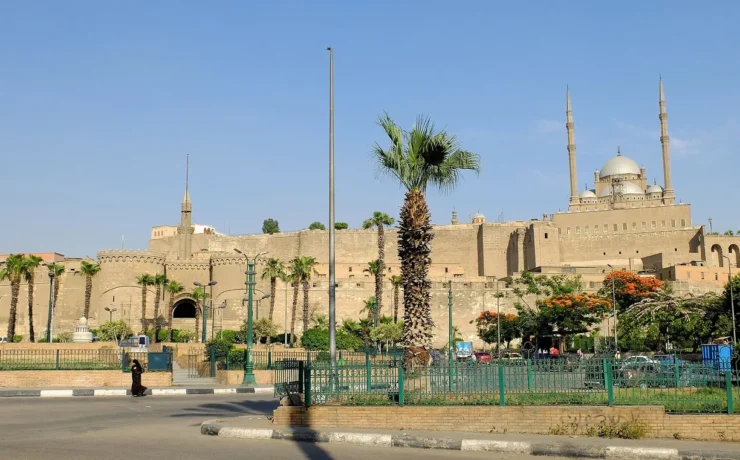
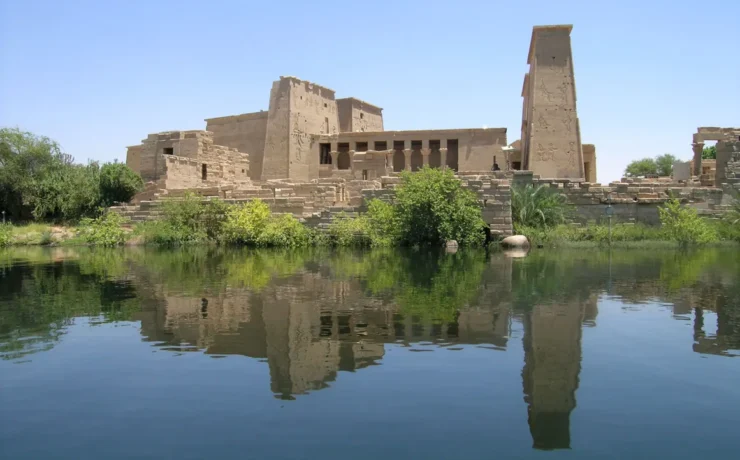
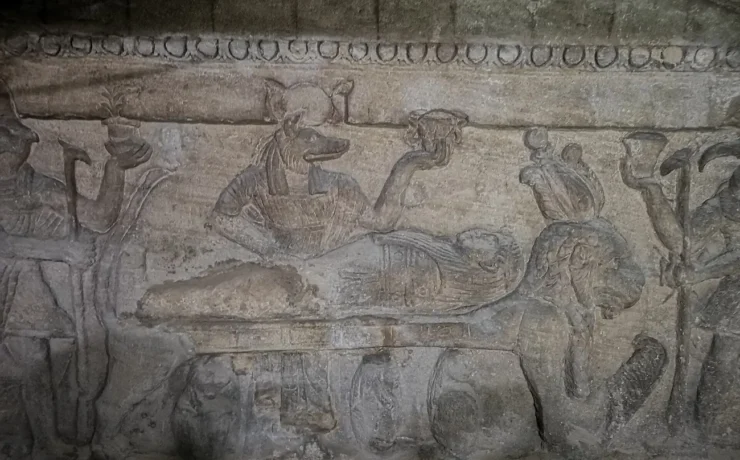
Luxor offers far more than a series of ancient monuments. The city brings together the Nile, cultural life on two banks, monumental spaces at Karnak and Luxor Temple, markets, museums and the chance to travel at a more thoughtful pace. This guide is for travelers who want to experience Luxor today, not read another long essay about when every pharaoh built a wall.
Luxor cultural travel essentials
1. Why Luxor deserves more than one monument stop
Luxor is one of Egypt’s most rewarding places to slow down and experience a city shaped by the Nile, monumental heritage and contemporary life. Travelers often arrive with a long list of temples and tombs but very little time to appreciate the spaces between them. Walking along the river, observing the approach to a temple and allowing a quiet pause can make the visit more memorable than collecting dozens of rapid photographs.
This article focuses on living travel experience: how to pace a day, where the landscape matters, what cultural encounters require respect and how to plan transport. A separate encyclopedia article should explain ancient construction dates and inscriptions in depth.
2. A city divided by the Nile
Luxor’s east and west banks offer distinct experiences. Major urban facilities and temples are concentrated on the east, while the west bank provides a landscape of villages, fields, desert edges and monumental sites. The river crossing is more than transport: it reveals how the whole destination fits together.
Arrange boat or ferry transport through a suitable provider, confirm the return route and never assume every landing is accessible or operating at all hours. Water conditions, crowding and equipment vary. A cultural day may be enjoyable even if you do not attempt every attraction on both banks.
3. Karnak: arrive with time to look
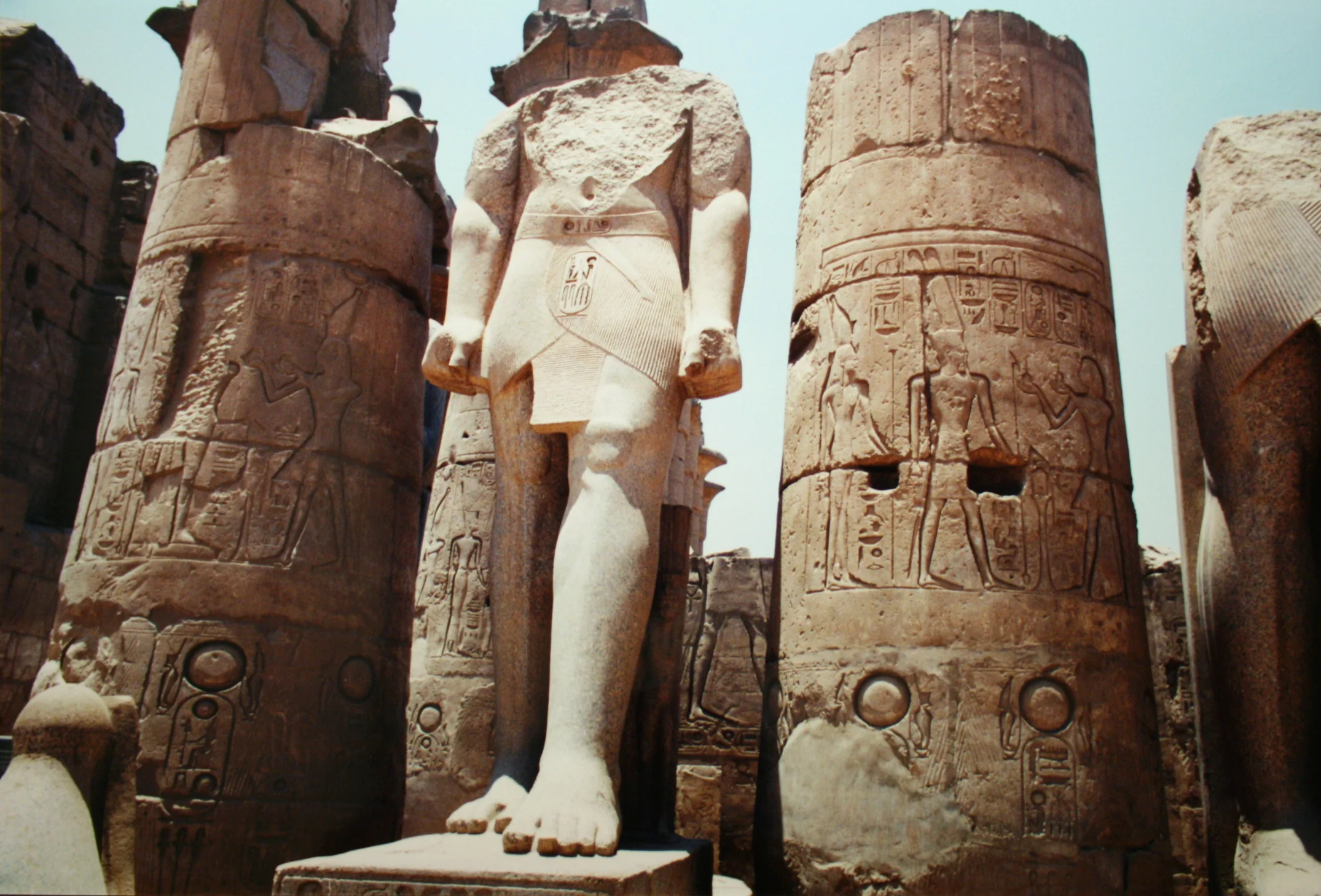
The Karnak complex is much larger than a single postcard monument. Visitors encounter open courts, columns, pylons and varied architectural spaces that deserve time. The practical challenge is avoiding the tendency to hurry through the Great Hypostyle Hall merely because it is famous. Pause where permitted and observe how scale and light change the sense of space.
Official entry arrangements, walking routes and photography restrictions can change. Check the Egyptian Ministry’s visitor page before traveling and follow posted conservation instructions. Do not climb stonework or move behind barriers for a less crowded view.
4. The Great Hypostyle Hall as an experience
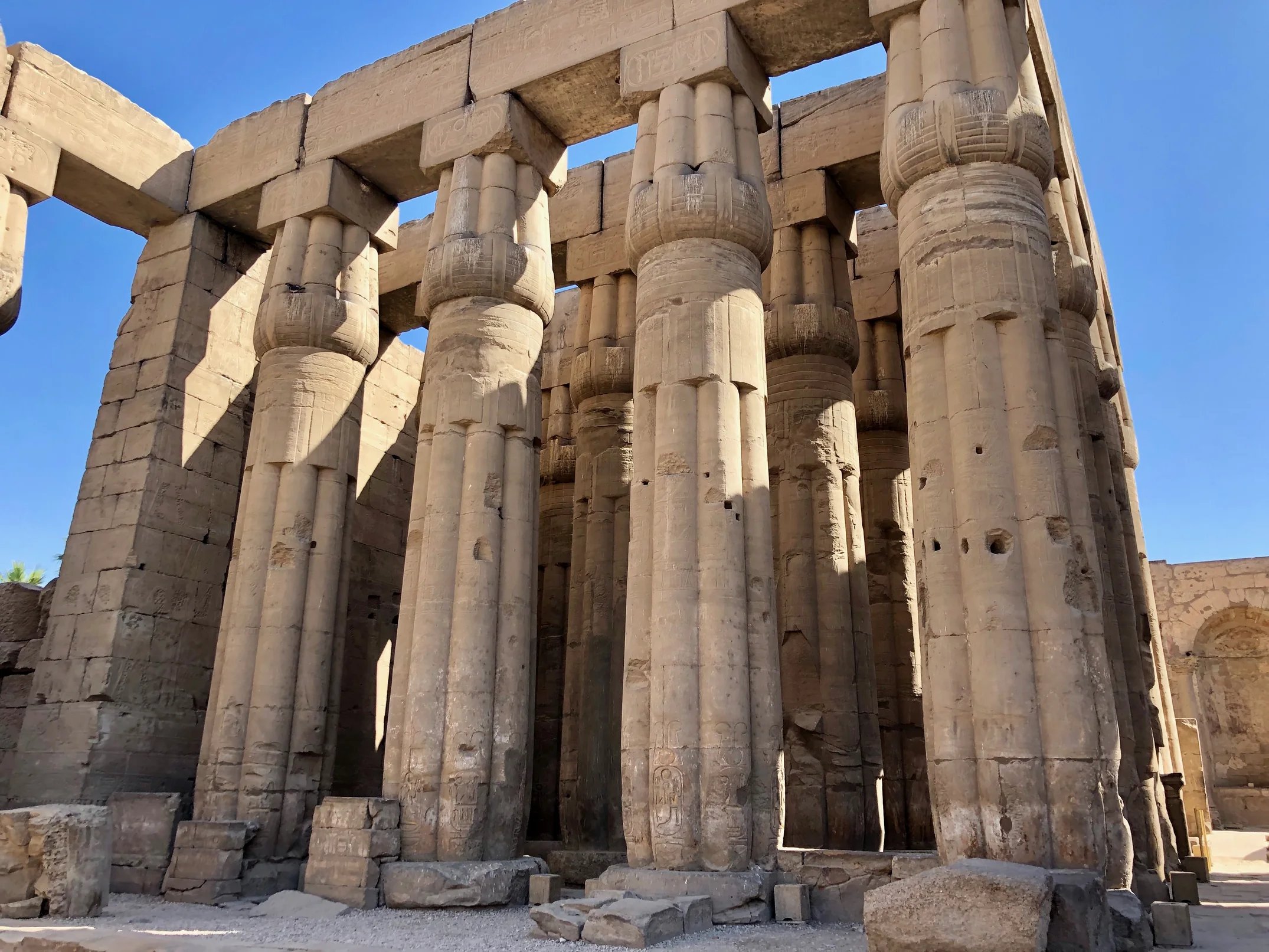
The enormous columns of Karnak’s Hypostyle Hall create striking shifts of light, shadow and perspective. The architectural effect becomes clearer when you look from several public vantage points and compare the impression of a single column with a longer row. This is a sensory and cultural experience, not a substitute for scholarly study of the original construction program.
A documentary photograph captures one lighting condition. Do not assume the same scene will look identical in every season or at every hour. Take breaks from photographing to read site signs and simply absorb the scale.
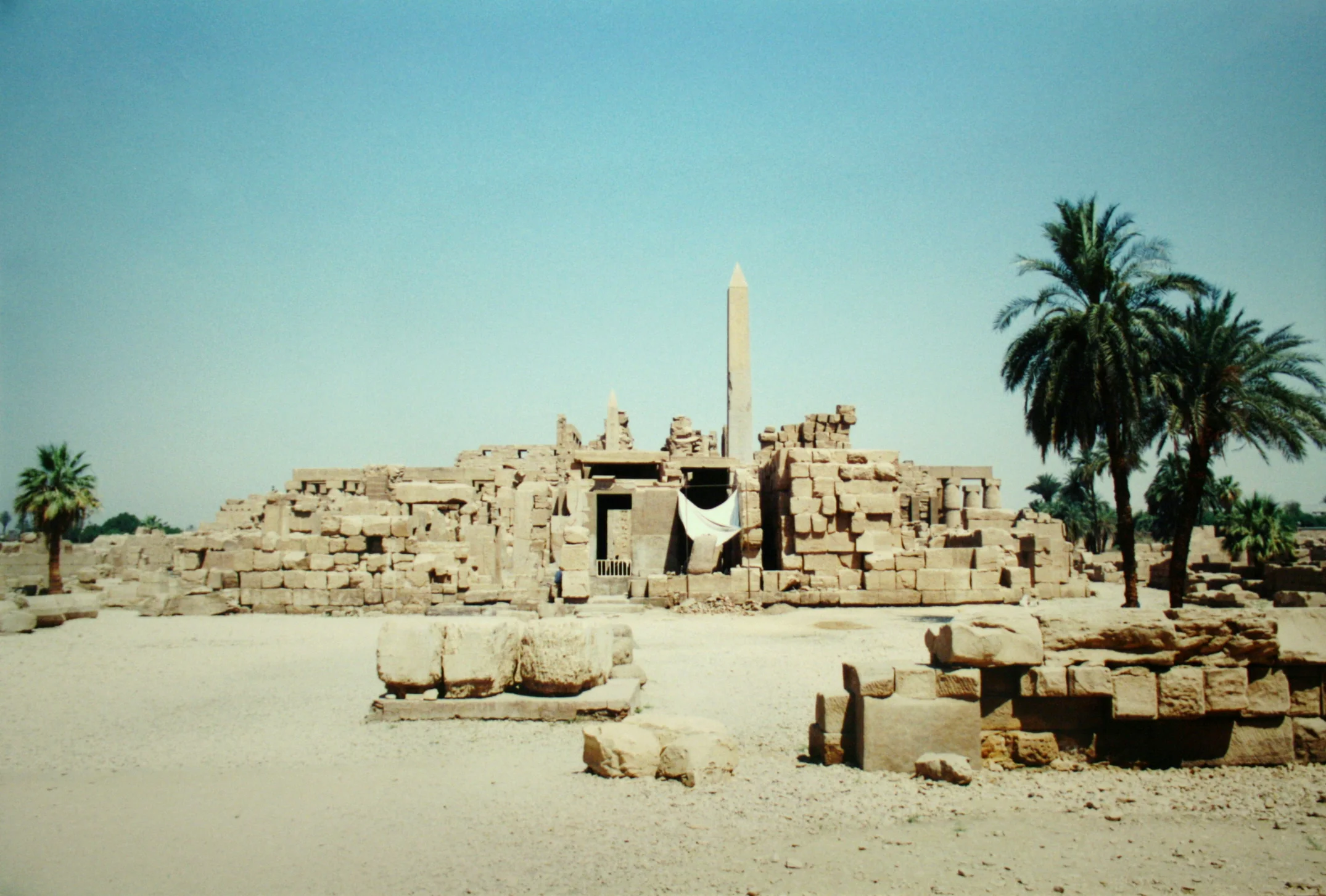
5. Luxor Temple and the city’s center
Luxor Temple occupies a prominent position within the modern city, making it especially useful for travelers who want to combine monumental heritage with an urban walk. Its façade, open spaces and relationship to the streetscape create a different atmosphere from the more extensive Karnak complex.
Rather than treating Karnak and Luxor Temple as interchangeable, give each an individual purpose in your itinerary. One may be a slow architectural morning, the other part of an evening riverfront experience, subject to current official opening arrangements.
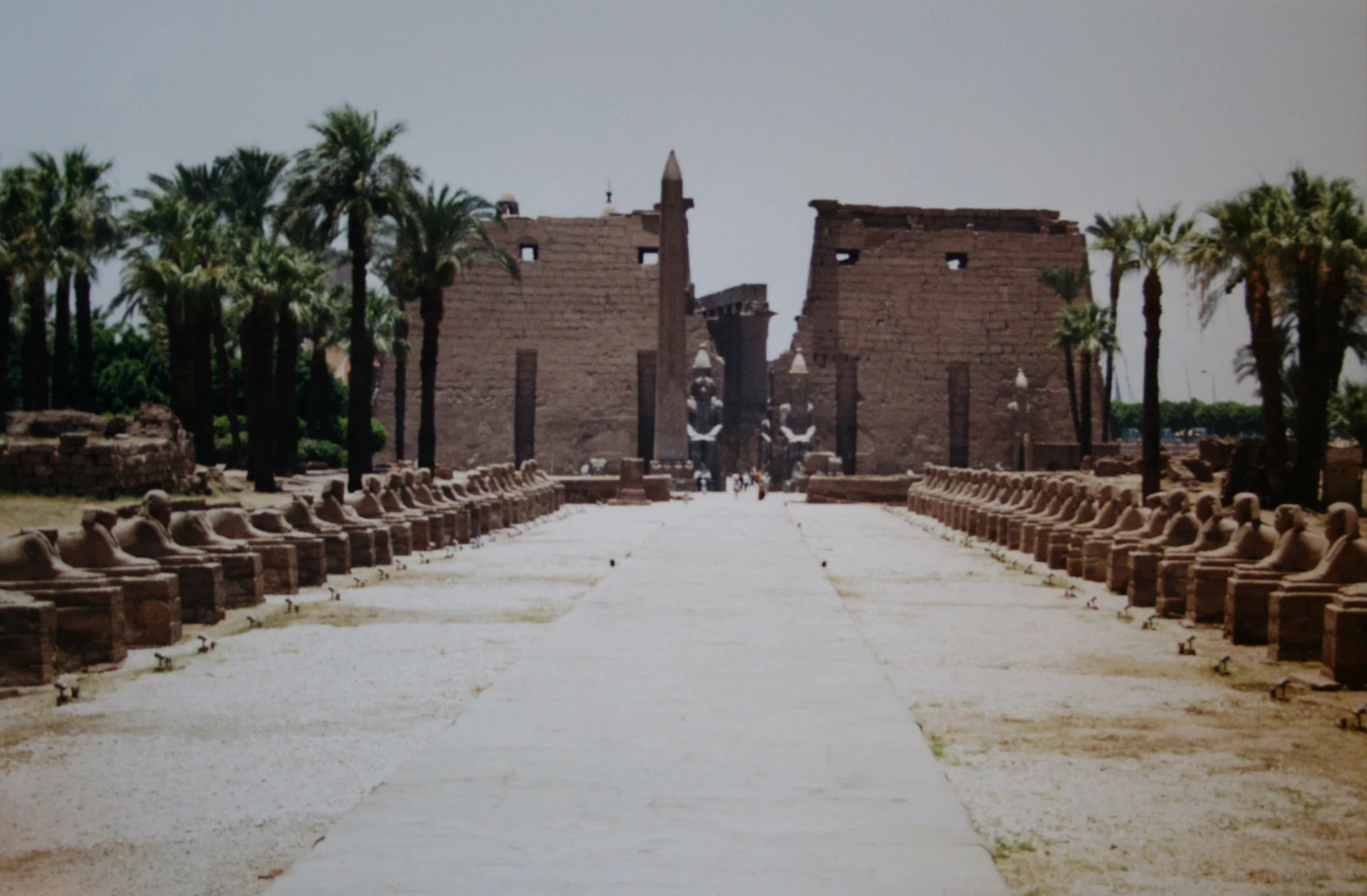
6. The Avenue of Sphinxes
The ceremonial avenue connecting the areas of Karnak and Luxor temples gives visitors a way to think about the relationship between ancient processional space and the modern city. Walking accessible stretches can be rewarding, but route access, lighting and rules must be checked on site. Do not interpret a photograph of the avenue as proof that every section is freely open at a particular time.
This is a good example of cultural tourism where a historical monument can be appreciated spatially without turning the visitor guide into an extended discussion of ancient theology. The story of construction and ancient festivals belongs in a separate historical analysis.
7. Choosing a calmer east-bank route
A good city day can combine one temple with a riverfront pause, a museum or a walk through public streets. Avoid scheduling every location in the hottest hours. A short, comfortable route that gives space for conversation and observation may be more rewarding than rushing among crowded group stops.
Where you need a taxi or car, agree on destination, waiting time and return arrangements before departure. Prices and traffic patterns change; an old blog’s fare should not be treated as a current guarantee.
8. Luxor Museum and genuine material culture
Luxor Museum can complement the monuments by allowing visitors to see individual artifacts and learn how museums present archaeological evidence. A carefully labeled sculpture or object can clarify a detail overlooked during a large-site visit. Museums are also useful for families or travelers seeking a change of pace.
Check museum-specific hours and admission separately from temple tickets. Object identification should come from the museum’s catalog and signage. Do not present a generic Egyptian statue photographed elsewhere as something currently displayed inside Luxor Museum.
9. The West Bank: not just the Valley of Kings
The west bank offers another scale of experience. Villages, agricultural land and the edge of the desert connect present-day movement with landscapes containing some of Egypt’s most famous monuments. Many travelers benefit from choosing a small group of sites rather than attempting every tomb and temple in one tiring circuit.
Some valley tomb interiors involve steep or narrow passageways, and opening patterns can vary for conservation. Plan around individual comfort and the current operator’s instructions. A famous entrance on social media is not evidence of a site’s current public access.
10. Local streets, crafts and respectful curiosity
Contemporary Luxor includes markets, craftspeople, hospitality businesses and neighborhoods with their own ordinary routines. Visitors interested in culture can enjoy conversation and shopping without treating residents as characters in an ancient costume drama. Ask permission before photographing shopkeepers, children or domestic spaces.
If buying handcrafted items, ask who made them and what materials are involved. Do not assume every object sold near a temple is locally made. Transparent prices and respectful bargaining are better than pressuring vendors over small differences.
11. Food and everyday hospitality
A meal can help you experience Luxor beyond the museum circuit. The city’s restaurants and hosts offer different types of Egyptian food, and no single dish represents every household or the entire Nile Valley. Ask about ingredients and dietary needs, choose places that genuinely welcome visitors, and leave time to enjoy the setting.
Avoid inventing a traditional menu for the city based on ancient food scenes. Ancient Egyptian diet belongs to the historical encyclopedia; contemporary dining is a separate topic that changes with local communities and seasons.
12. The riverfront at different times of day
The Nile can transform the rhythm of a day in Luxor. Early light may suit travelers who want a quieter landscape, while later hours can offer a pleasant break after temple walks. The best plan depends on weather, your accommodation’s location, transport and personal comfort.
A riverside location does not guarantee safe water access or a licensed boat. Check the operator, safety arrangements and route rather than booking solely because a photograph looks peaceful.
13. Photography without staging the past
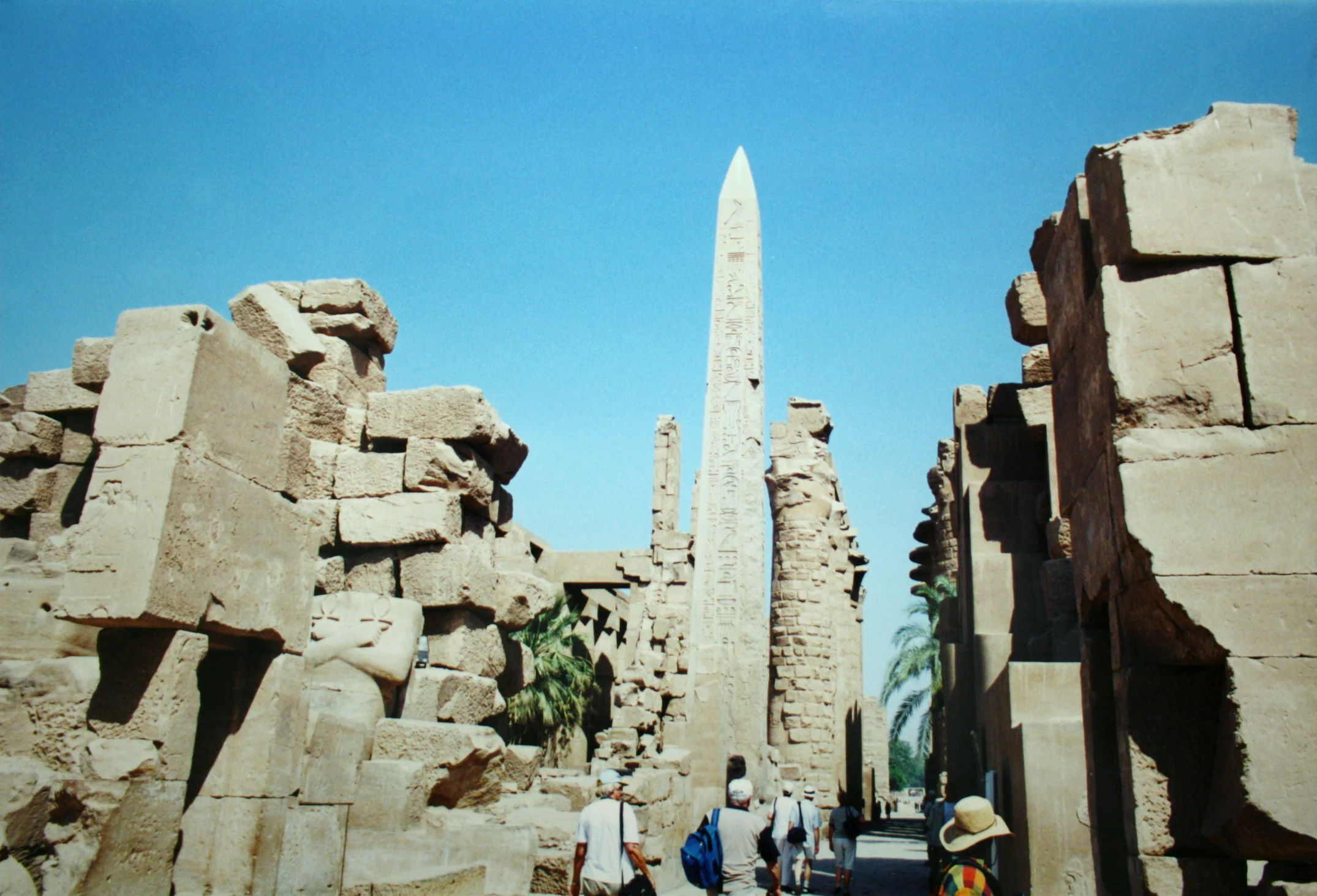
The real city includes people, traffic, preservation work and contemporary infrastructure. Documentary photography should embrace this rather than hiding every sign of modern life to simulate a supposedly untouched ancient world. Take broad views of monumental spaces, carefully permitted detail photographs and atmospheric river scenes, while respecting conservation rules.
Drone use, tripods, interior photography and commercial shoots may require permissions beyond an ordinary entrance. Never assume a popular video proves that a technique is lawful or suitable for the site today.
14. Traveling with children or visitors with limited mobility
Luxor’s major complexes can involve exposed spaces, uneven paving and significant walking. Some interiors have stairways or confined corridors. If access needs matter to your group, contact the relevant operator in advance and plan a shorter route with rest intervals. Accessibility conditions are not consistent across monuments.
A family visit can be shaped around fewer experiences: one impressive columned space, a museum and time by the Nile may give children a better cultural impression than a lengthy lecture at every relief.
15. Sound-and-light and evening programs
Luxor has cultural performances connected with major attractions, including sound-and-light presentations where scheduled. These are modern interpretive programs, not reconstructions that precisely reproduce ancient ceremonies. Check the official operator’s current show dates, language options and ticket terms before treating an evening performance as a fixed itinerary item.
If you prefer independent time in the city, a comfortable riverside walk or meal may be more rewarding than another organized event. The right choice depends on energy and interest rather than the need to fit every advertised experience into a single stay.
16. Two days with breathing room
For a flexible two-day plan, spend one day primarily on the east bank with Karnak, a museum or city walk and Luxor Temple. Use the second day for selected west-bank monuments and a calmer afternoon. The order can be reversed based on current opening times, weather and accessibility needs.
A three-day stay permits even more cultural time, but duration should not be confused with an official recommended timetable. The goal is balance among heritage, landscape, rest and contemporary city experiences.
17. A culturally responsible visit
Local people are not museum objects. Ask before photographing residents, be considerate at places of worship and in private neighborhoods, and pay fairly for agreed services. Historical monuments require respect for barriers, conservation rules and the work of staff maintaining them.
Using public-domain photographs does not mean the people and communities within a destination have given unlimited consent to intrusive attention. A good visitor learns both about heritage and about how to share public space respectfully.
18. Frequently asked questions
Can I visit Karnak and Luxor Temple in one day? Many travelers do, but pacing depends on heat, mobility and interest. Is Luxor entirely on one Nile bank? No; east and west banks offer different experiences. Can I walk the Avenue of Sphinxes? Access can change, so follow current official routes. Are temple tickets combined? Check the specific operator’s arrangements. Is an evening show a historical ceremony? No, it is a modern presentation. Should I visit both banks? It is rewarding if time and comfort permit.
Are the photos in this article a guide to current opening times? No. They are genuine CC0 documentary photographs taken in 2002 and 2019, not today’s timetable.
19. Related places and next steps
Use Kemet Vault’s Archaeological Atlas for orientation at Karnak and Luxor. A cultural Aswan guide can help if you continue south, while a separate article on the Battle of Megiddo explores the New Kingdom’s military reach without becoming a tourist ticket page.
For contemporary practical details, the Egyptian Ministry’s monument listings and the official Egypt tourism portal should take precedence over older online travel summaries.
Official visitor sources and cultural links
Egyptian Ministry: Karnak visitor information; Egyptian Ministry: Luxor Temple; UNESCO: Ancient Thebes and its Necropolis; Official Egypt tourism portal. Continue to Aswan’s cultural journey or locate Karnak on Kemet Vault’s Atlas. All operating details should be rechecked close to travel.