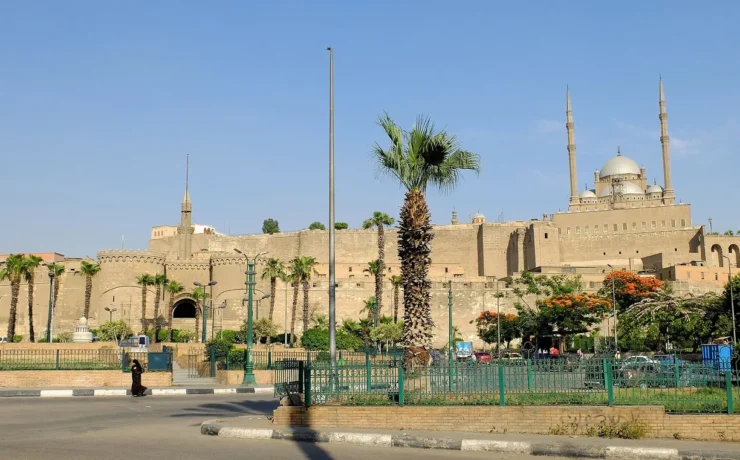
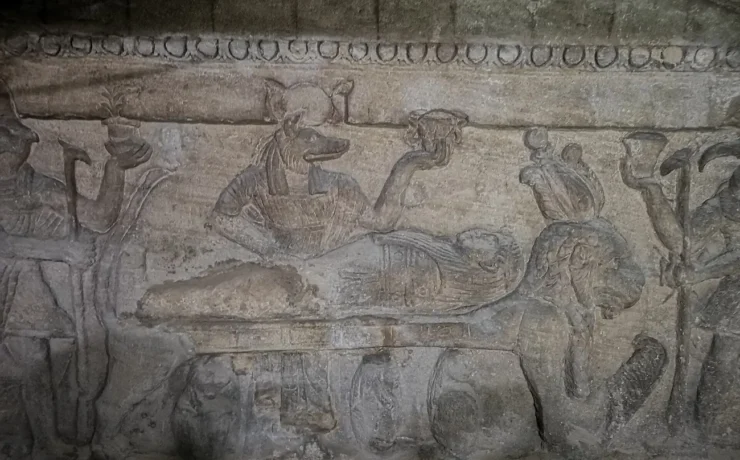
Aswan is one of Egypt’s most rewarding destinations for travelers who care about landscape and living culture, not just ancient chronology. The Nile flows among islands, colorful community neighborhoods and monumental heritage sites, creating a slow-paced experience that suits curious travelers. This guide explains how to combine Elephantine Island, respectful Nubian community encounters and Philae with realistic planning.
Aswan cultural guide: at a glance
1. Why Aswan feels different from Cairo and Luxor
Aswan rewards a slower kind of travel. Its dramatic Nile views, granite shores, islands and southern light make walking and short boat journeys central to the experience. The city can be a comfortable cultural base rather than merely the place where a long transfer to Abu Simbel begins. A visitor who spends time on the water and in neighborhoods often understands more of Aswan’s identity than someone who sees only one temple.
This guide focuses on contemporary travel and locally lived culture. Ancient history matters as background, but detailed inscriptions and the chronology of temple building belong in dedicated Egyptology articles. The goal here is to help you experience the city respectfully and plan your time well.
2. The river is the city’s main stage
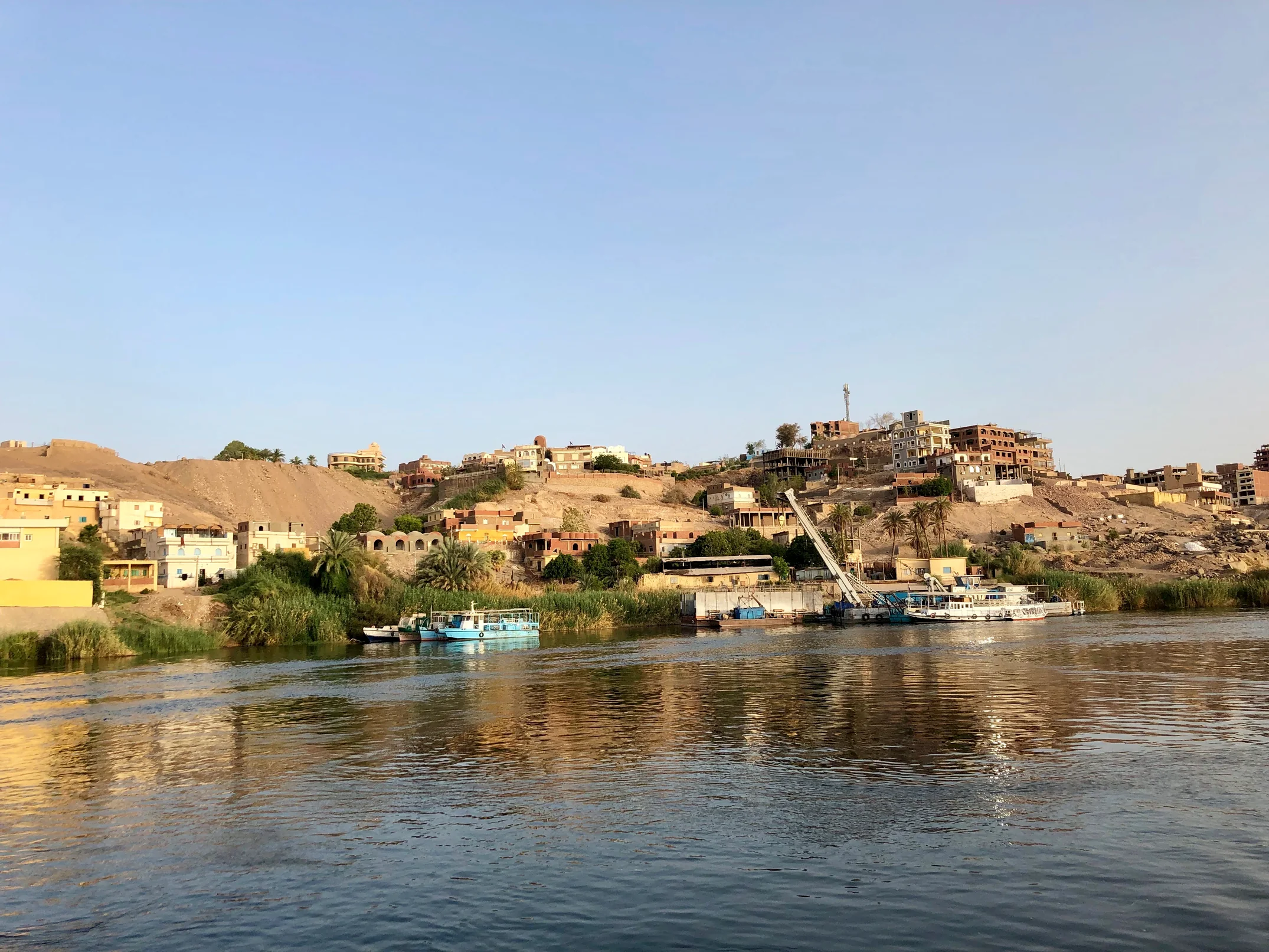
The Nile divides Aswan’s waterfront views into changing layers of water, islands, boats, gardens and rocky banks. A river journey offers a perspective not available from the road. Choosing a short licensed boat excursion can be an enjoyable way to encounter the landscape, but rates and routes should be agreed before setting out.
Conditions on the river can vary, and a scenic shore does not automatically make a safe swimming or boarding point. Use established operators and ask about life jackets, pickup location and the return plan. Photography should not interfere with boat handling or other passengers.
3. Elephantine Island without rushing
Elephantine is a distinctive island within Aswan’s river setting. A visit can combine waterfront views, community streets and, where officially accessible, heritage areas. The island’s living neighborhoods should not be treated as a staged tourist exhibit. Look for public routes, make time for rest and ask permission before photographing people or homes.
Some travelers choose to stay on the island, but accommodation, boats and access depend on their actual provider. It is worth planning both outward and return crossings before evening rather than relying on an unverified assumption that a particular boat will always be available.
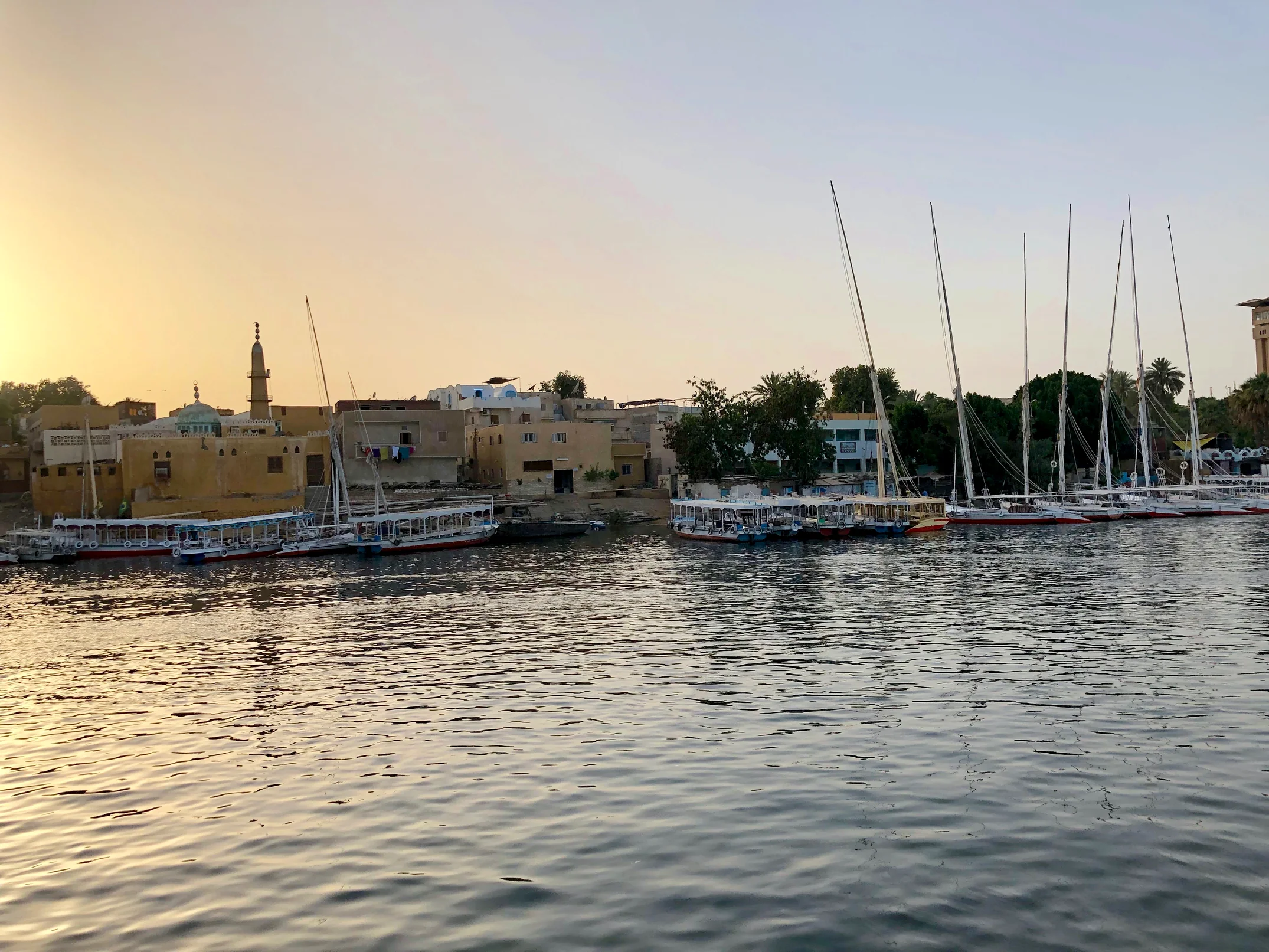
4. Getting to the island and moving around
Ask your accommodation or a registered boat operator about recognized crossing points and current prices. At the waterfront, agree on whether a fare covers one direction or a return, and clarify waiting time if you are arranging private transport. Do not assume that photographs of an old dock reflect today’s arrangements.
If you have limited mobility or are traveling with children, ask about step heights and boarding assistance in advance. Island routes may contain uneven surfaces, and not every boat has the same accessibility. A well-paced trip can be more enjoyable than trying to race across several islands in one afternoon.
5. Nubian language, neighborhoods and cultural identity
Nubian culture is living, varied and connected with language, family, craftsmanship, music and historical experiences including displacement and resilience. It should not be reduced to decorative paint, a souvenir or a simplistic idea of an exotic village. The official Egyptian tourism portal identifies places such as Gharb Soheil and communities on Elephantine as destinations for visitors who want to learn more.
Communities are not interchangeable. Ask what an experience actually includes, where it happens, who hosts it and how visitors are expected to behave. Cultural curiosity works best when it respects privacy and supports local agency.
6. Visiting Gharb Soheil or another Nubian community
Gharb Soheil is widely advertised for its brightly colored architecture and visitor-oriented hospitality. A community visit can include a meal or craft encounter when offered by residents. It is not a free pass to enter private houses, photograph children or expect a musical performance on demand.
Choose locally led options with transparent prices and clear consent. A respectful conversation or purchase from a maker may be more memorable than rushing through staged photo stops. Before you travel, confirm where the village is and the transport required; it is not on every visitor’s route through Elephantine Island.
7. The Nubian Museum as a cultural introduction
The Nubian Museum is an especially valuable complement to living-community experiences. Its collections and displays offer broader historical context for Nubian peoples, arts and the conservation of heritage threatened by changes to the Nile landscape. Museum visits help avoid treating contemporary communities as though they existed outside history.
Check official opening information and ticket categories before your visit. Museum object captions document specific periods and provenances; they should not be casually presented as examples of what every Nubian household uses today.
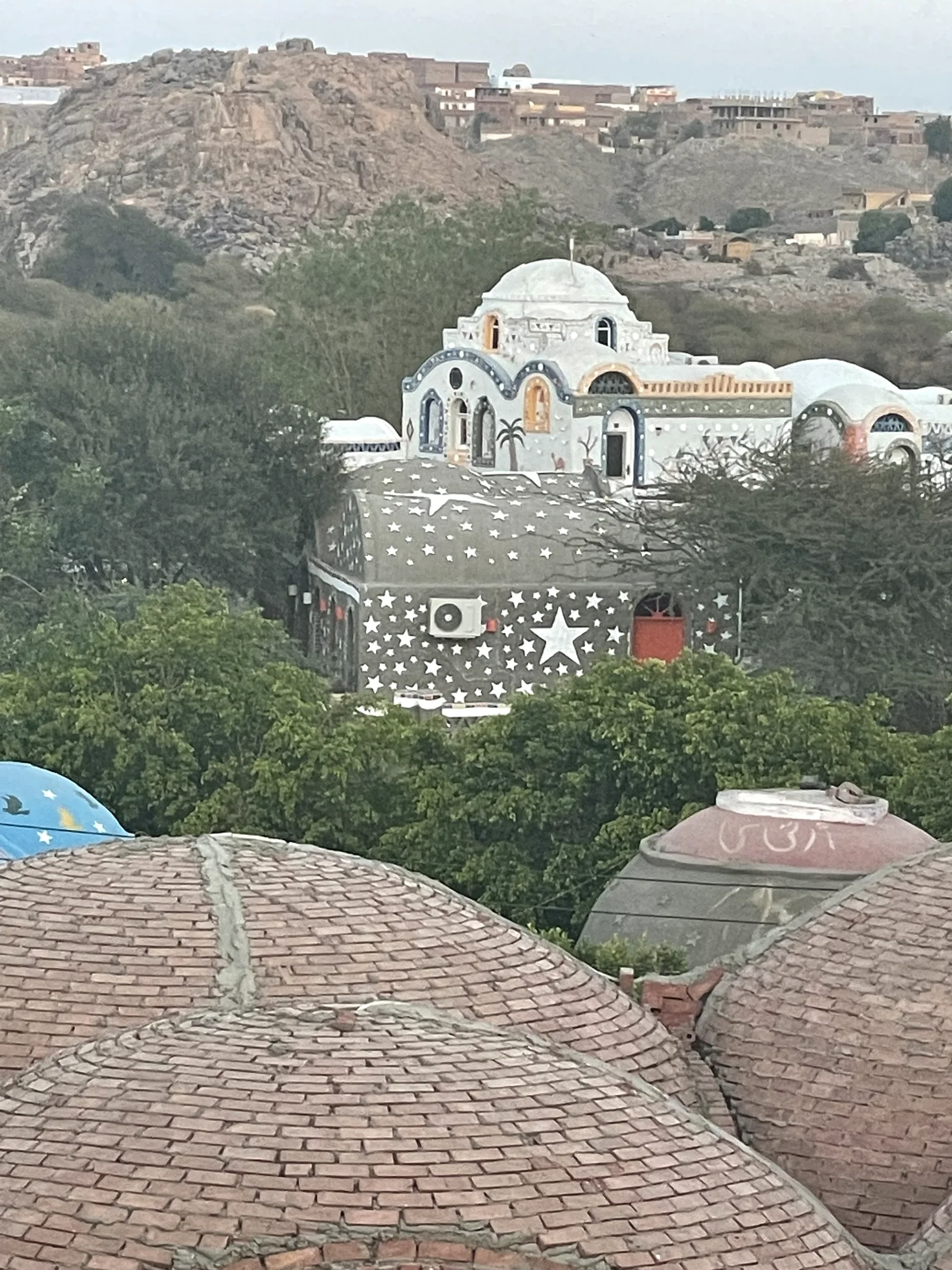
8. Philae as an island experience
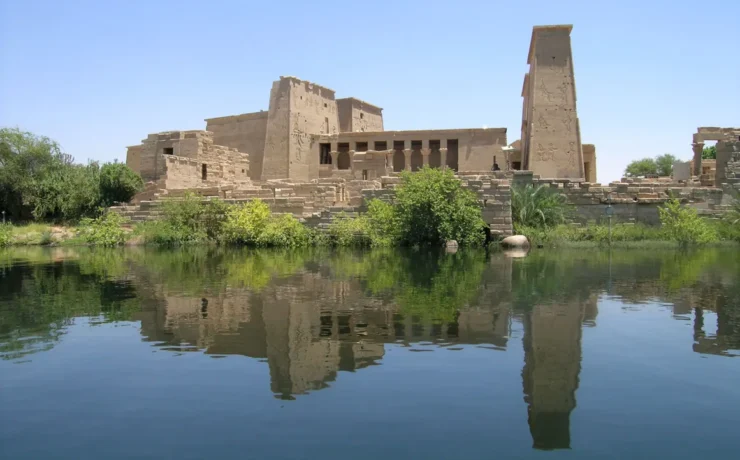
Philae is a memorable excursion because reaching the temple complex involves a boat crossing to Agilkia Island. The journey across the water, the arrival at monumental columns and views around the sanctuary form a cultural travel experience distinct from an excavation report. The complex is closely associated with Isis and is UNESCO-listed within the Nubian monuments heritage framework.
The Ministry describes the monuments’ relocation from the original Philae Island to Agilkia during the twentieth-century Nubia campaign. For visitors, that story adds a conservation dimension, but the detailed architectural phases and theology belong in the historical encyclopedia.
9. What to notice at Philae without turning it into a lecture
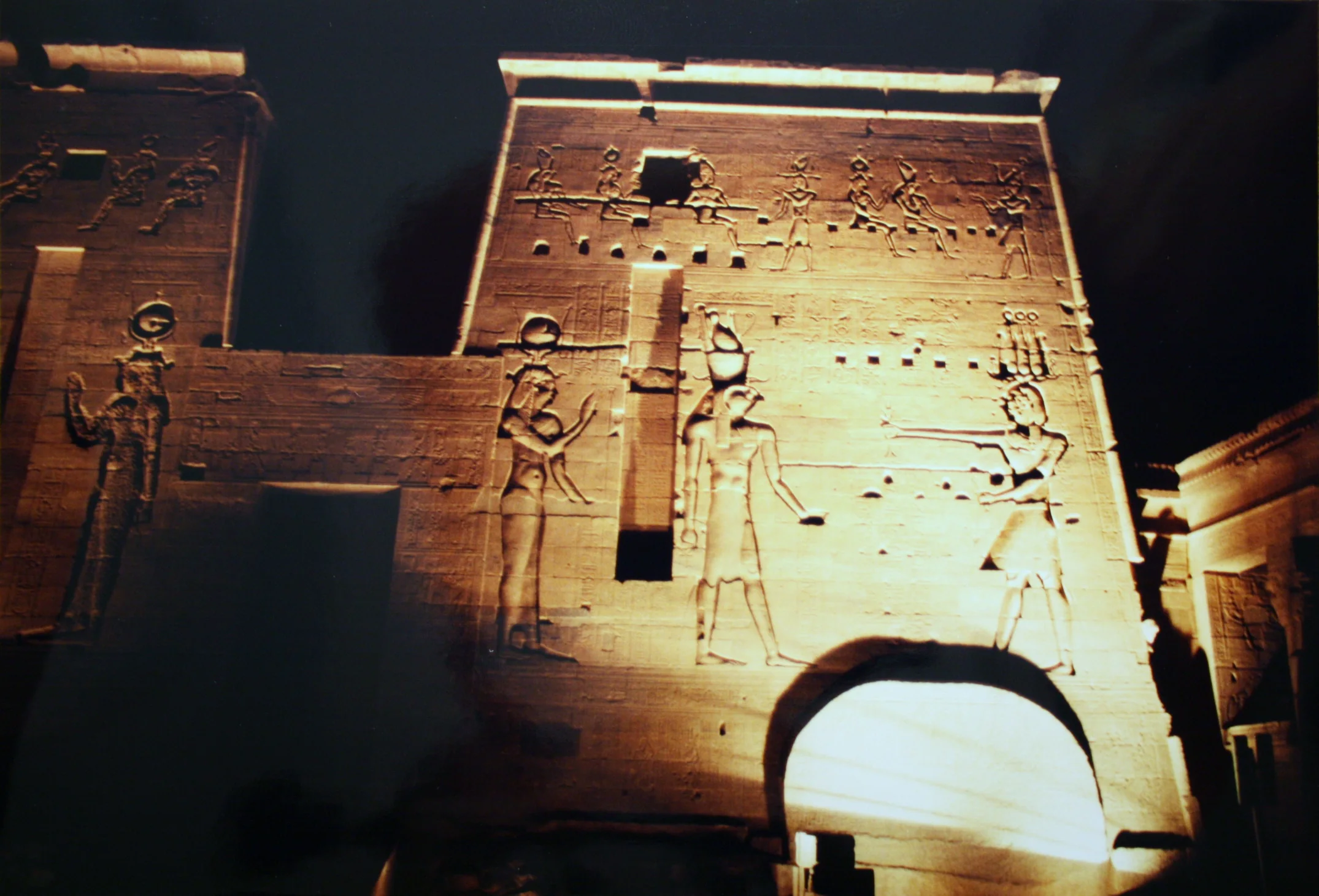
Allow time to look at the relationship between the buildings and their island setting. The approach by boat, open courts, columns and Pavilion of Trajan create changing perspectives. Instead of memorizing every king’s name, notice how public space, water and light shape your encounter with the monument.
Where access allows, read official signs to identify key architectural spaces. Photographs of the present temple show an ancient monument in a modern relocated setting; they are documentary evidence of the preserved site, not a guarantee of unchanged ancient geography.
10. A practical Philae ticket and boat checklist
The Egyptian Ministry maintains an official Philae site page with current visiting hours and ticket information. At the time of this review, the Ministry’s listing shows a 7 AM to 4 PM general schedule, but operating arrangements may change. Check again close to the visit and confirm last admission and any special access rules.
The boat journey may involve a separate arrangement from the general entrance ticket. Do not assume one published price covers the boat, the guide and admission. Clarify the complete cost and return route before setting off.
11. Aswan’s market streets and local crafts
Markets can offer opportunities to learn about local products, textiles, baskets, spices and everyday commerce. Buying locally can support businesses directly, but remember that not every stall is selling an item made in that neighborhood or village. Ask about the maker and materials if provenance matters to you.
A respectful visitor can bargain politely where appropriate without turning every interaction into a contest. Avoid intrusive photography and recognize that shopkeepers’ working day is not a performance intended for tourists.
12. Food as a cultural encounter
Trying an offered Nubian or Aswan meal can be part of understanding contemporary local culture. Dishes, ingredients and family traditions vary among households and providers; no one recipe can stand for the entire region. Ask hosts about ingredients, dietary needs and preparation practices rather than assuming a generic label tells you exactly what a meal contains.
Arrange meals at places that clearly welcome visitors, with transparent prices. A personal connection through a conversation about food may be more valuable than collecting a list of dishes without context.
13. How to divide two days in Aswan
One flexible option is a river-and-city day: begin with a waterfront walk, explore public market areas and arrange a suitable Elephantine crossing or Nubian cultural visit with enough buffer for returning. A second day can focus on Philae and a museum visit, with time to appreciate rather than simply pass through each destination.
Another option is to spend one day enjoying the Nile environment and another on selected sites and locally guided experiences. Transport distances, boat schedules and heat can shape the day more than the number of stops written in an itinerary.
14. Family visits, heat and physical comfort
Southern Egypt can be hot and sunny. Comfortable footwear, water, shade and a flexible pace make island walks and monument visits easier. Families may prefer shorter boat excursions and frequent breaks. If someone has mobility constraints, check boarding steps, walking surfaces and restroom arrangements before committing to a route.
Children may remember the landscape, ferry crossing or a craft demonstration more vividly than a rapid succession of monument dates. Pick experiences that suit your group rather than repeating a package itinerary mechanically.
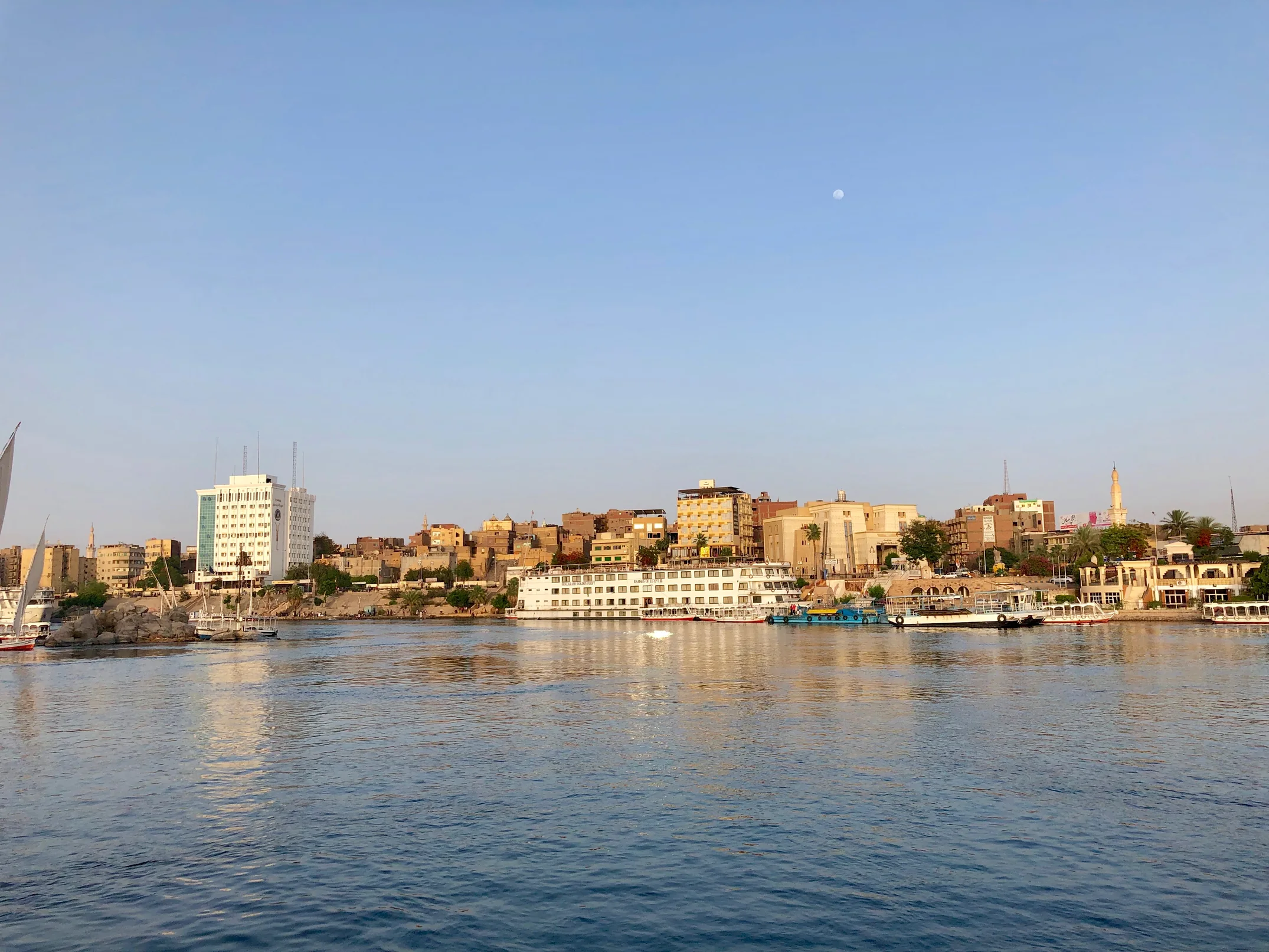
15. Photography and respectful encounters
Aswan offers remarkable river and island views, but the best photograph is not worth violating privacy or heritage rules. Ask before photographing residents, religious activities, private homes or workspaces. Check site-specific restrictions on drones, commercial filming and interior photography.
The photos in this guide are genuine CC0 images taken in 2002, 2019 and 2023, with years and authors documented. They show real places but should not be treated as evidence of current fares, access or the state of tourist facilities.
16. A responsible route beyond Aswan
Aswan can also be used as a base for separate excursions to Abu Simbel, Kom Ombo or other southern destinations. Those outings require their own transport and time, and should not be hidden inside an impossibly crowded single-day schedule. Each destination deserves a distinct guide with clearly stated cultural and visitor intent.
For Abu Simbel, Kemet Vault already has a separate visitor-first guide that covers the journey, lake setting and the experience at the two temples. Distinguish that contemporary travel content from the encyclopedia’s analysis of inscriptions and dynasties.
17. Common questions about cultural Aswan
Can you visit Nubian communities? Yes, where visits are offered and welcomed, with respect for local consent. Is Elephantine only an archaeological site? No; it also contains living neighborhoods. Does Philae require a boat? Modern access to Agilkia involves a water transfer, subject to current arrangements. Is every Aswan boat a licensed tourist excursion? No; choose a suitable authorized provider. Does visiting a Nubian village show how all Nubians live? Absolutely not. Can you see everything in one day? You can visit selected highlights, but spreading experiences across days is often more rewarding.
undefined
18. How to keep learning after the trip
The visit becomes richer when you connect what you saw with carefully identified places and museum records. Use the Kemet Vault archaeological atlas for geographic orientation and the Gods & Mythology dossiers for historical context on Isis at Philae. Both support understanding without turning a practical travel guide into a duplicate historical monograph.
Keep travel dates separate from archaeological dates: official visitor hours are time-sensitive, while ancient objects need period-specific source citations.
Official tourism sources and further reading
Experience Egypt: Nubian culture and locally based cultural experiences; Egyptian Ministry: Philae official visitor details; UNESCO: Nubian Monuments from Abu Simbel to Philae; Kemet Vault: Abu Simbel cultural visitor guide; Archaeological Atlas. Photo ages are explicitly labeled. Boat, ticket and cultural-experience prices must be checked locally.