Abu Simbel is more than a place to admire from a photograph. It is a journey into southern Egypt’s wide desert horizons, Lake Nasser landscapes, monumental stone architecture and the living communities of Nubia. From Aswan, the trip can become one of the most memorable cultural experiences in Egypt when you give yourself enough time to appreciate both the temples and the region around them.
This guide is deliberately about the visitor experience today: what the place feels like, how to arrange a worthwhile journey, what to see, how to plan around the sun and crowds, where local Nubian culture fits into the trip, and how to travel respectfully. A separate Kemet Vault encyclopedia article will handle the temples’ ancient history, inscriptions and royal chronology in detail. Here, history is background rather than the whole itinerary.
Abu Simbel travel essentials
Information check: 18 October 2026. Published opening hours, ticket categories, event arrangements and transport schedules can change. Always use the Egyptian Ministry of Tourism and Antiquities and the relevant official provider for current arrangements.
1. What makes a visit to Abu Simbel different?
The atmosphere changes well before you arrive at the monument. Southern Egypt has a spaciousness that is easy to underestimate from a city itinerary. The surrounding desert, the scale of Lake Nasser and the sense of traveling toward the country’s far south make arrival part of the experience. You are not simply passing another attraction in central Cairo or Luxor; the destination asks for a deliberate journey.
At the temples, the contrast between open landscape and immense carved façades is the first powerful impression. Photographs can show the monumental figures, but they rarely communicate the distance between your own body and the stone. Standing at the site also brings out smaller sensations: shifting sunlight over rock, the difference between exposed exterior areas and sheltered interiors, and the quiet that can settle between tour-group arrivals.
That is why Abu Simbel rewards visitors who allow time to linger, look from more than one angle and notice the setting instead of rushing through a checklist. The unforgettable element may be an architectural detail, a view back toward the lake or the experience of reaching a UNESCO-listed landmark in the Nubian landscape.

2. The two temples: what visitors actually see
Abu Simbel contains two monumental rock-cut temples within the same visitor destination. The Great Temple is the one with four enormous seated royal figures across its façade. The smaller temple, associated with Nefertari and Hathor, has a different composition and scale. Together, they offer a richer visit than stopping for a single photograph at the largest entrance.
Begin by taking in the Great Temple from far enough away to see the whole façade, then approach gradually. Notice how the monument changes as you move closer: the huge figures become more detailed, and the entrance begins to feel much smaller beneath them. Inside, where access is permitted, look carefully at the spatial sequence of halls and stone surfaces. There is no need to memorize every historical name to appreciate the experience.
Then make time for the smaller temple rather than treating it as an optional extra. Its statues and façade proportions can feel more intimate, and its quieter setting gives visitors a useful contrast. The two structures are best appreciated together because they create a dialogue between monumental architecture and the surrounding landscape.

3. Getting from Aswan to Abu Simbel
For most travelers, Aswan is the practical gateway. The Ministry’s regional guide places Abu Simbel roughly 300 kilometers south of the city. By road, travelers commonly allow about three to four hours each way, depending on driving arrangements, conditions and stops. That is a planning estimate, not a guaranteed transfer time. A day trip can therefore involve considerably more time in transit than at the temples.
A pre-arranged vehicle, a licensed organized excursion or another authorized local transport service can make the journey simpler. Agree in advance on departure time, pickup point, vehicle arrangements, waiting time and the return schedule. If you are comparing tour offers, check whether site admission, guiding and meals are included, because a low advertised transfer price may not represent the full cost.
Flights may sometimes offer an alternative to a long road journey, but schedules and availability vary. Do not build a fixed itinerary around a flight without checking live carrier information and ground transfers. Independent travelers should also avoid assuming that every online bus timetable is current. For some visitors, spending a night near Abu Simbel is more rewarding than compressing both the driving and the site visit into one morning.
The drive itself can be part of the experience. You gradually leave the urban rhythm of Aswan for a more open southern landscape. If you want to photograph the journey, plan safe designated stops with your driver rather than asking for abrupt roadside halts. Water, sun protection and a comfortable vehicle matter far more than chasing the earliest possible arrival at all costs.
4. Day trip or overnight: which feels better?
A day trip from Aswan
A good option when your itinerary is tight and the temples are your main priority. Expect an early start, substantial road travel and limited flexibility. Keep your program focused on the two temples and a measured amount of time for photographs. Make sure the return transfer is clearly agreed.
An overnight cultural escape
Better when you prefer an unhurried visit, wish to experience the town beyond the monument gates or want to explore the availability of the sound-and-light show. An overnight stay can reduce the pressure to experience everything in a narrow arrival window, although accommodation and show dates must be checked separately.
The right choice depends on your interest and comfort. If you are traveling with children, elderly family members or people who find long vehicle journeys difficult, the additional flexibility of an overnight stay may matter more than fitting in another attraction. If your schedule only permits a day trip, focus on doing one visit well instead of adding too many unrelated stops.
5. The southern landscape and Lake Nasser
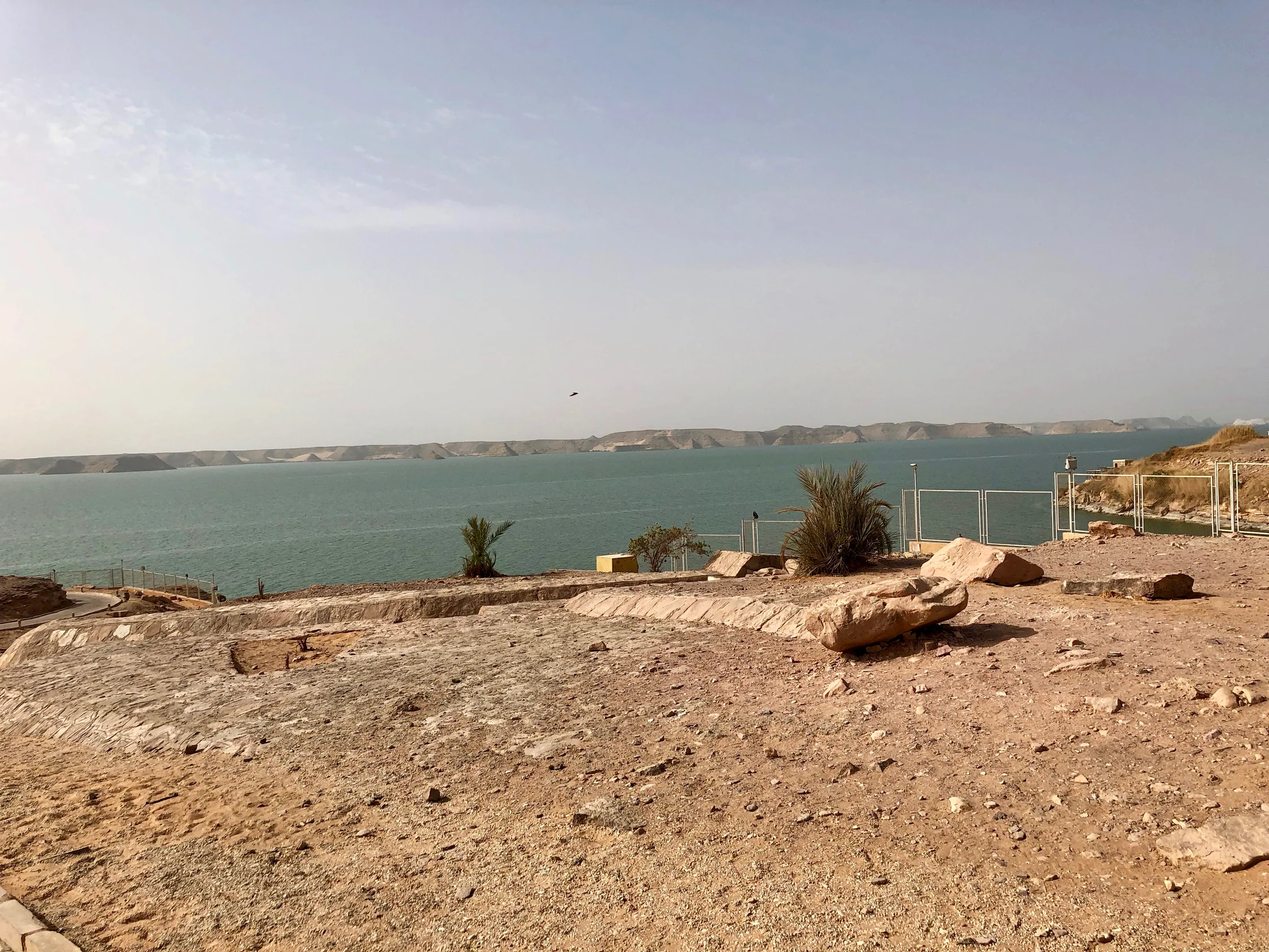
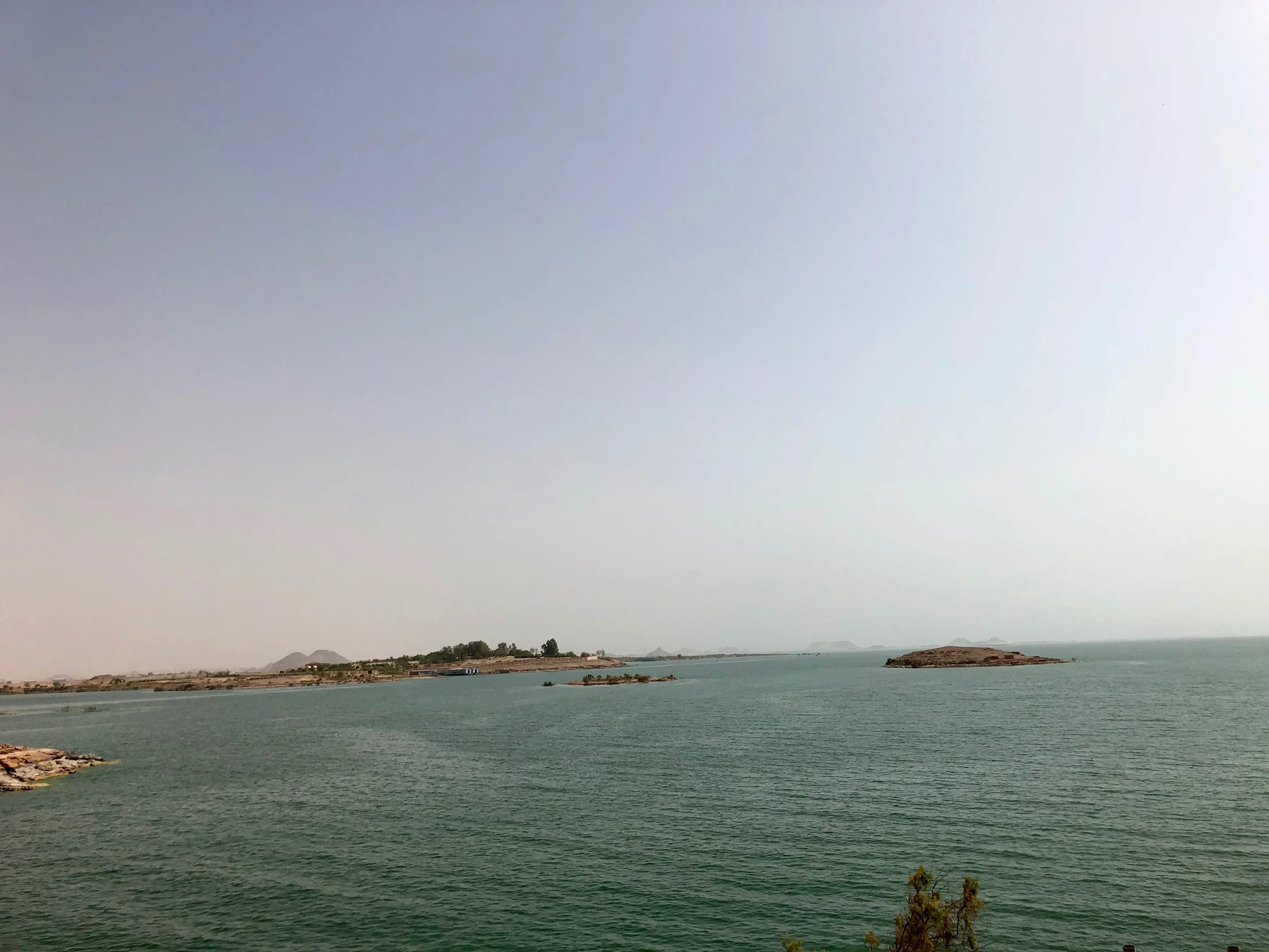
Lake Nasser gives Abu Simbel a distinctive geographical character. Its broad water and surrounding desert create a sense of scale different from the riverfront gardens and islands around Aswan. Look for places where the landscape opens up, and appreciate the contrast of water, rock and sky. The lake is not a backdrop invented for tourist photography; it is part of the contemporary environment and a major influence on the modern geography of the area.
The temples themselves have a remarkable twentieth-century conservation story. They were relocated as part of an international effort to protect Nubian monuments from rising reservoir waters, and UNESCO recognizes them within the World Heritage property Nubian Monuments from Abu Simbel to Philae. For the visitor, this is less a reason to memorize dates than a reminder that cultural heritage survives because people make deliberate choices to preserve it.
When you approach a lakeside viewpoint, follow designated access and local guidance. Do not treat an attractive shore as automatically open for swimming, boating or private excursions. Any boat trip should be arranged through a properly authorized operator with appropriate safety equipment, and availability must be checked locally.
6. Culture around Abu Simbel: visiting Nubia with respect
Abu Simbel lies within the larger region of Nubia, whose cultural heritage cannot be reduced to the ancient temples. Nubian communities have their own languages, histories, families, artistic traditions and contemporary ways of life. It would be misleading to present every person living in southern Egypt as part of a single, timeless “Nubian village experience.” Communities vary, and living culture is not a museum exhibit staged for visitors.
Travelers interested in learning more can seek locally led cultural experiences, conversations, food or crafts where these are genuinely offered and where residents welcome guests. A local host may tell you about contemporary life, music, language or family traditions in ways that a monument panel cannot. But a good experience is an exchange, not an entitlement to enter someone’s home or photograph them without permission.
Be careful with tour packages selling generic “authentic Nubian life” without explaining what the host community actually offers. Ask who runs the visit, whether participants consent to photography, how pricing works and whether local businesses benefit. Buying a craft or meal directly from its maker or provider can be more meaningful than bargaining aggressively over a brief performance arranged only for tour groups.
Aswan has a larger range of Nubian cultural experiences, but they are not all located in Abu Simbel. Do not confuse an Aswan island village excursion with a site visit to Abu Simbel or imply that every experience can be combined into one short trip. If living Nubian culture is a central goal, allocate separate time around Aswan or book a locally guided experience that clearly specifies its location.
7. A relaxed visitor route through the temples
First: arrive and orient yourself
Check the current entrance, ticket and photography instructions. Use available visitor information to identify both temples before walking toward the larger façade. Give your group a moment to adjust after the journey.
Second: take in the full Great Temple façade
Pause at a viewpoint that shows the structure as a whole. Then approach slowly and notice the monumental scale. A wide view and a closer view tell different visual stories.
Third: explore the interior if permitted
Respect any limitations on photography, movement and equipment. Rather than rushing from chamber to chamber, observe the change in light, space and surface detail. Access arrangements can vary.
Fourth: visit the smaller temple
Walk over to the temple of Nefertari and Hathor, giving its façade and entrance attention in their own right. Compare how the two temples feel from the visitor’s perspective without turning your day into an archaeology exam.
Fifth: allow a gentle finish
Use the remaining time for permitted photographs, a rest or a view of the surrounding landscape. Reconfirm your pickup location before leaving the complex.
How long to stay within the temple complex depends on group size, guiding, weather and individual interest. Allow roughly one and a half to three hours as a flexible planning range rather than a fixed official tour duration. Extra time is sensible for visitors who want to photograph carefully or simply avoid rushing.

8. When is the most comfortable time to visit?
Southern Egypt can be very hot, especially during the warmer months. Early daylight visits are often preferable for people who dislike heat, but a comfortable time also depends on seasonal weather, crowds and travel logistics. A cooler-season visit may be more pleasant for walking in exposed areas. In every season, carry water and sun protection and follow any guidance issued by your transport provider or the site’s management.
On some dates, large visitor groups may arrive within similar time windows. If you are traveling independently and have flexible arrangements, ask about expected tour traffic and consider whether a slightly different visit schedule works better. Do not assume you can change opening hours or enter restricted areas to avoid crowds.
Abu Simbel is famous for special solar-alignment mornings around 22 February and 22 October, dates listed by the Egyptian Ministry. They can be culturally memorable but may be significantly busier, and the official ministry page lists separate ticket categories for those days. Check the current arrangements and avoid booking based on outdated social posts. The weather, crowd management and conservation needs always take priority over a particular photograph.
9. Tickets, prices and entry: an official-source checklist
According to the Egyptian Ministry’s Abu Simbel page reviewed on 18 October 2026, the published visiting hours are 6:00 AM to 5:00 PM throughout the week. The Ministry’s visitor guidance advises that the last admission is one hour before closing. Hours are operational information, not a permanent historical fact, so confirm them again shortly before traveling.
At the time of this review, the official page displays regular individual admission of EGP 750 for foreign adults and EGP 375 for eligible foreign students, and EGP 30 for Egyptian adults and EGP 10 for eligible Egyptian students. It lists different prices for the solar-alignment dates, and additional vehicle categories. These numbers are presented as a dated snapshot, not a live price guarantee; confirm student eligibility, proof requirements, accepted payment methods and the current official price before purchase.
Do not assume that a private tour automatically includes admission, a licensed guide, an evening performance or meals. Ask for an itemized description before paying. If a provider advertises priority entry or a special interior experience, check it against the site’s official access rules. Whenever possible, follow official ticketing channels linked by the Ministry rather than sellers who cannot explain which service they are providing.
Check before you leave Aswan
Confirm current official opening hours and ticket rates, the last entry time, your transport departure and return, and any temporary monument access restrictions. The Ministry’s Abu Simbel visitor listing is the primary place to start.
10. The Abu Simbel sound-and-light experience
For travelers spending more time in the area, a sound-and-light performance can add an evening dimension to the trip. Egypt’s official sound-and-light operator lists an Abu Simbel Show that combines projected light, narration and music to create a cultural presentation in the setting of the temples. The performance is entertainment and interpretation, not an original ancient ritual.
The operator publishes its own show information and ticket categories. Show dates, start times, language arrangements and minimum-attendance requirements can change, so check the official Sound & Light Egypt website before booking. An overnight stay may simplify the logistics of an evening event; combining it with a long round-trip drive on the same day may be tiring.
This is also an opportunity to think about how cultural heritage is presented. Lighting and narration can make architecture more accessible to visitors, but they inevitably select and dramatize parts of a wider story. Enjoy the performance as a modern cultural experience, then consult specialist resources when you want deeper historical interpretation.
11. Photography: how to capture the place thoughtfully
The most useful travel photographs do not all have to be the same frontal image of the large temple. Try a wide composition that places architecture in the landscape, then a closer permitted view that reveals texture. Images of the smaller temple help tell the complete visitor story. The desert and lake can communicate distance and setting, but only where public access and photography are allowed.
Sunlight changes how the stone appears. A clear morning can be visually striking, yet the best photographic time is never worth ignoring official site access or group safety. Interior photography restrictions and equipment rules may differ from those outdoors. Ask before using a tripod, drone, flash or professional setup; a mobile phone permission does not automatically cover commercial filming.
Respect other visitors’ space and avoid photographing local residents, guides, vendors or children without consent. Do not edit photographs in ways that imply stone carvings or ancient features exist when they do not. Kemet Vault uses authentic photographs, with only light tonal adjustments for presentation, and records their original sources and licenses.

12. Food, comfort and the town experience
A long day is easier when you plan the basics. Ask your driver or accommodation where reliable drinking water, restrooms and a comfortable break are available, rather than assuming that every facility near the monument will be open. Pack enough water for your group’s needs and bring a light snack if you have an early departure. Keep some flexibility for meals and service availability.
In and around the town, choose locally operated food or hospitality options where you can check hygiene, prices and opening arrangements. If someone offers a meal or cultural conversation as part of an experience, confirm expectations before entering a private space. A respectful visit makes room for ordinary people and businesses without pretending that every local interaction is a tourist attraction.
Travelers may also appreciate quieter time in the destination rather than spending every available minute at the monuments. But it is sensible to ask about safe walking areas and return transport, especially after dark. The town and its services are living places with their own rhythms; an online travel plan should not presume they all operate to a visitor’s schedule.
13. Accessibility, families and responsible travel
Expect significant exposure to sun and some uneven surfaces. Monument interiors and entrances may involve steps, narrow passages or reduced lighting, which may be challenging for visitors with mobility limitations or discomfort in confined spaces. Do not assume that all chambers are step-free or that every visitor route is accessible. Confirm arrangements directly with the relevant site operator before planning a visit around specific access needs.
Families should build in additional time for water and rest, particularly after the journey from Aswan. Younger children may enjoy the scale and open-air setting more than detailed guided commentary; adjust the pace accordingly. Visitors who want explanations can look for guides able to adapt their language and content to different ages.
Cultural responsibility matters just as much as physical comfort. Respect the heritage regulations, stay off fragile stonework, follow marked visitor routes and carry waste away responsibly. In the surrounding communities, remember that Nubian cultural traditions belong to living people. Seek permission for portraits, pay fairly for agreed services and do not pressure hosts to turn private practices into performances.
14. Ready-made itineraries that keep the experience enjoyable
Option A: a focused Aswan day trip
Arrange an authorized early departure from Aswan, allow a generous road buffer, visit both temples at a comfortable pace, then return with time for rest. Keep the itinerary simple and do not promise several additional attractions on the same day.
Option B: a relaxed overnight stay
Travel to Abu Simbel without racing the clock, explore the town and accessible lakeside surroundings where suitable, and schedule the temple visit when your group’s energy is best. Consider the sound-and-light program only after verifying the actual show date and logistics.
Option C: a southern Egypt cultural itinerary
Base part of the trip in Aswan, with separate time for locally led Nubian cultural experiences, Philae and other attractions. Make Abu Simbel a distinct excursion or overnight stay rather than pretending all these destinations are adjacent.
An itinerary works only when it respects distances and the visitor’s energy. A three-hour transfer each direction changes the shape of the day; so does intense sun or a group that prefers frequent rest stops. Give yourself permission to experience fewer places more deeply.
15. Frequently asked questions about visiting Abu Simbel
Is Abu Simbel worth the trip from Aswan?
It can be a remarkable cultural day out for travelers interested in monumental architecture, southern Egypt’s landscape and UNESCO heritage. The road journey is long, so it is especially worthwhile when you set aside enough time to appreciate both temples rather than rushing through one photo stop.
How long does the road trip take?
Travelers commonly budget around three to four hours from Aswan in each direction, depending on transport and conditions. This is an approximate planning window, not a confirmed timetable. Allow extra time for pickups, entry and rest.
Can I visit Abu Simbel without a tour group?
Independent arrangements are possible with suitably organized transport, but check the current local requirements, safety guidance and available services. A licensed guide can add context if you prefer accompanied interpretation.
Do I need a separate ticket for the smaller temple?
Ticket entitlements should be checked from the official site operator at the time of travel. Do not assume that a package or a particular admission category covers every area or extra experience.
What should I wear?
Comfortable footwear and breathable clothing suited to strong sunshine are sensible. Carry water and use sun protection. Choose clothing that allows easy walking without risking damage to delicate monument surfaces.
Is the sound-and-light show included in daytime admission?
It is a separately operated event with its own arrangements; check directly with Egypt’s official sound-and-light operator. Do not assume an ordinary daytime ticket includes the performance.
Can I enjoy Nubian culture during an Abu Simbel trip?
Yes, by arranging appropriate local experiences and making time for the wider region. But many Nubian cultural excursions sold from Aswan take place in other locations, not beside the Abu Simbel temples. Confirm the exact destination and host before booking.
What is special about 22 February and 22 October?
The Egyptian Ministry describes annual solar-alignment dates at the Great Temple around those days. They may attract additional visitors and special ticketing arrangements. Confirm the current event schedule rather than relying on an outdated itinerary.
Are the photographs in this guide current photos of tourist facilities?
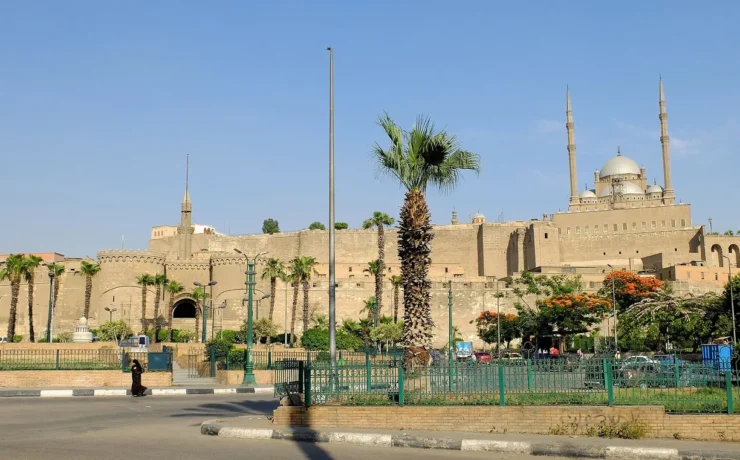
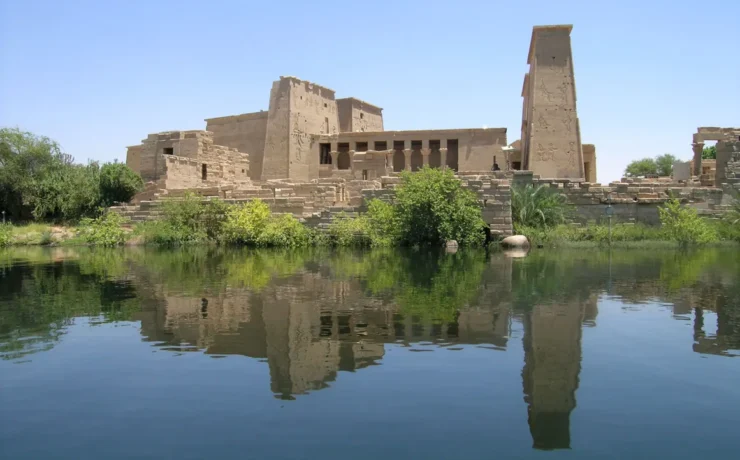
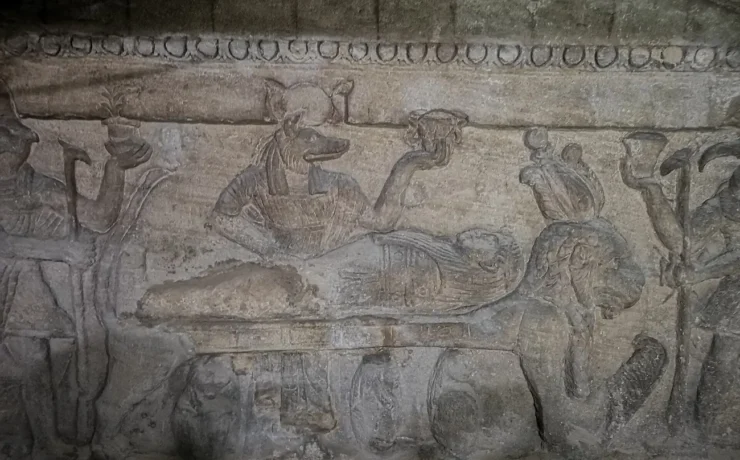
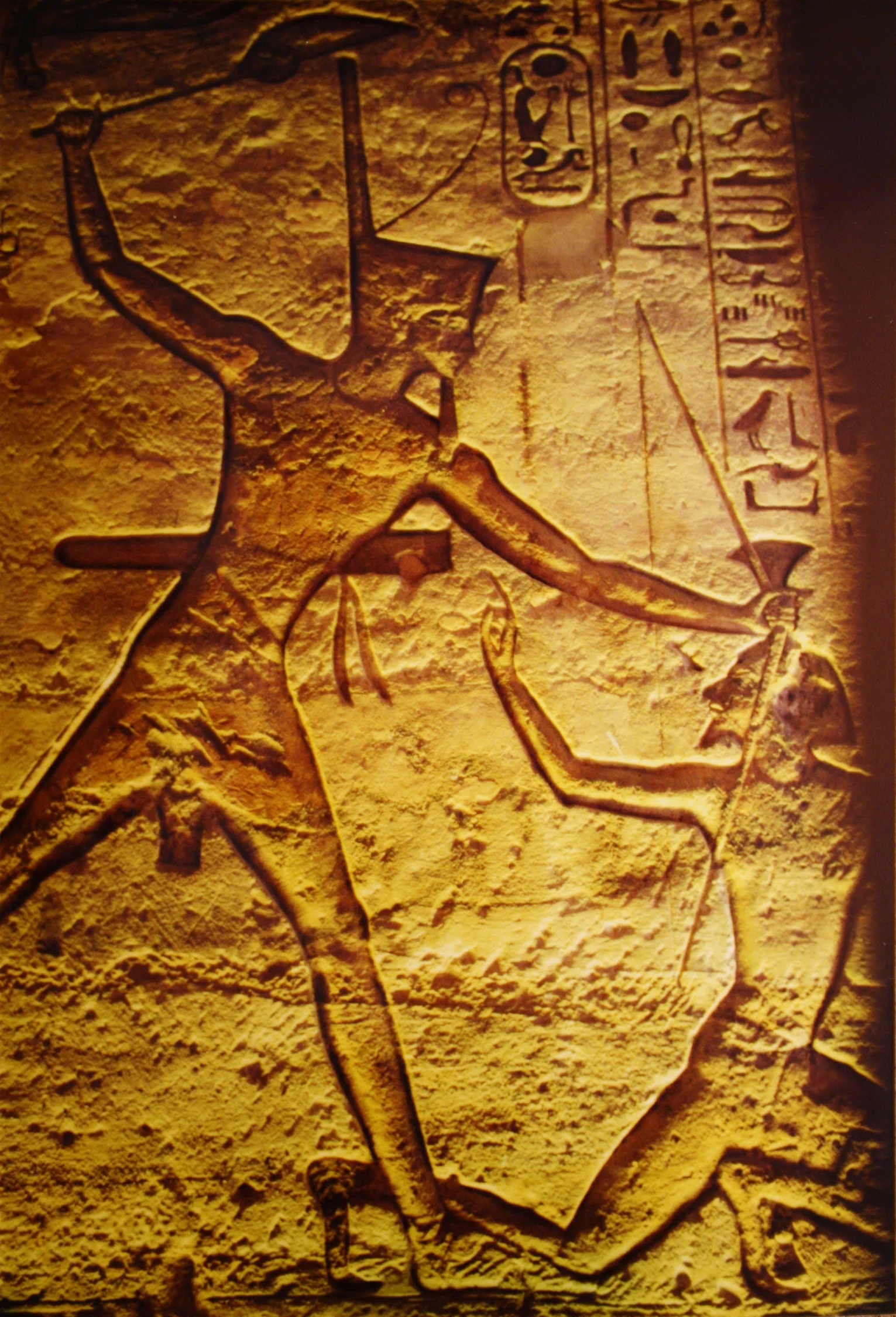
No. The monuments are shown through genuine, openly licensed documentary photographs from 2002; the Lake Nasser scenery photographs date from 2019. They help illustrate the place but do not verify today’s entrances, services or transport arrangements.
16. Continue exploring Egypt with Kemet Vault
Use the Kemet Vault Archaeological Atlas to locate Abu Simbel and place the destination among other sites. Explore Egypt Destinations for travel inspiration and Historical Attractions for cultural visitor guides, rather than long royal biographies.
For research-oriented readers, a future dedicated Ancient Egypt Encyclopedia article will examine the temples’ construction, inscriptions and religious setting. This travel guide intentionally concentrates on the experience of going there today.
Official travel sources and photo credits
- Egyptian Ministry of Tourism and Antiquities — Abu Simbel, opening hours and published ticket categories.
- Egyptian Ministry of Tourism and Antiquities — Abu Simbel visitor information and last-entry guidance.
- Egyptian Ministry — Nubian Monuments from Abu Simbel to Philae.
- UNESCO World Heritage Centre — Nubian Monuments from Abu Simbel to Philae.
- Egypt Sound & Light — official event and ticket information.
Travel information last checked 18 October 2026. Real photographs are licensed CC0 1.0, sourced individually from Wikimedia Commons and stored as local WebP on Kemet Vault; their untouched originals and complete rights records are archived in the owner’s GitHub. Photographic scenes do not prove current visitor routes, fees or operating hours. No claim is made that a museum, tour provider or government body endorses Kemet Vault.