Greek, Roman & Byzantine Egypt
Explore Greek, Roman & Byzantine Egypt
Discover the people, places, primary evidence and latest studies connected with this chapter of Egypt's story.
Discover the era through real evidence
Select an image to discover the people, sites and source-based studies behind it.
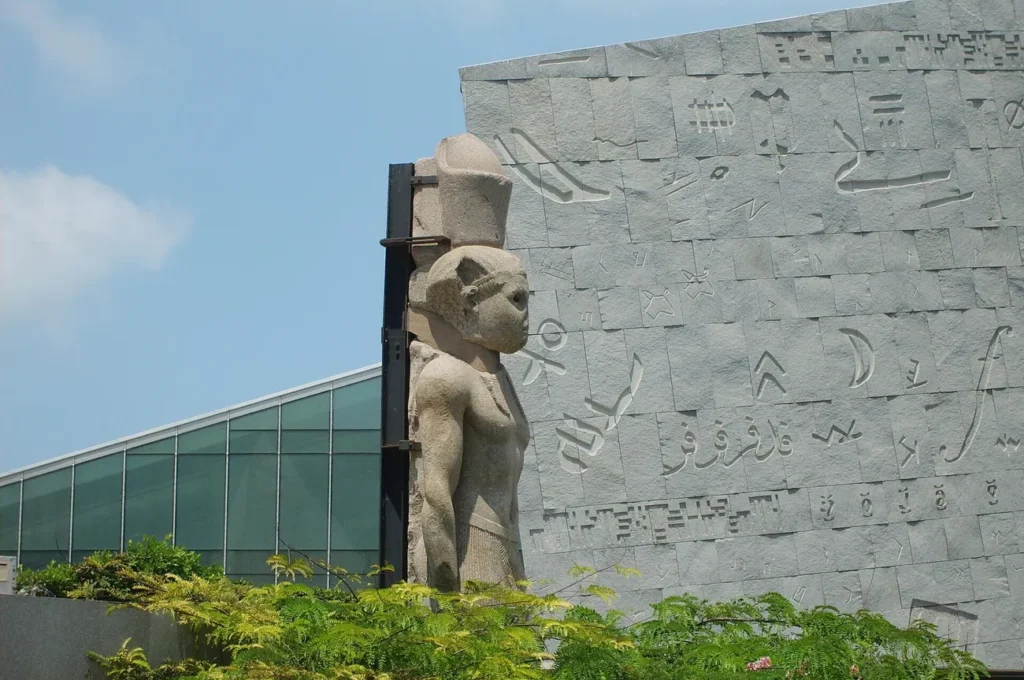 Photo details and credits in the linked study
Browse this period by theme
Studies from this historical period
This selection updates from published research in the period collection.
 EXPLORE THE EVIDENCEPtolemy II Philadelphus: Arsinoe, Alexandria and an Empire at SeaRead study ↗
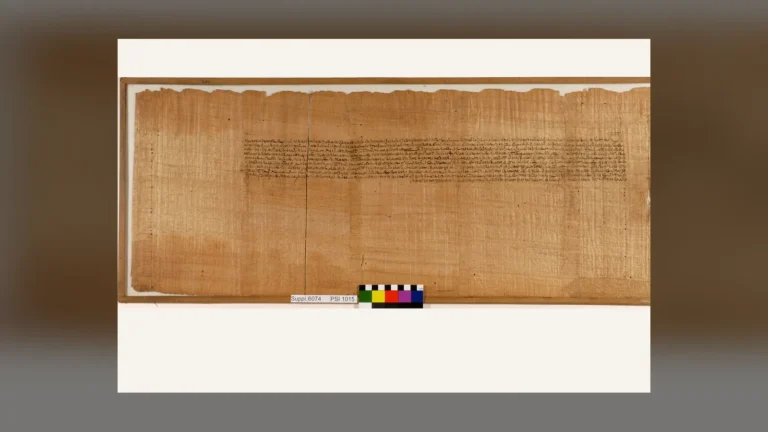 EXPLORE THE EVIDENCEDid the Ptolemies Own Every Field? Private Land, Temples and Demotic EvidenceRead study ↗
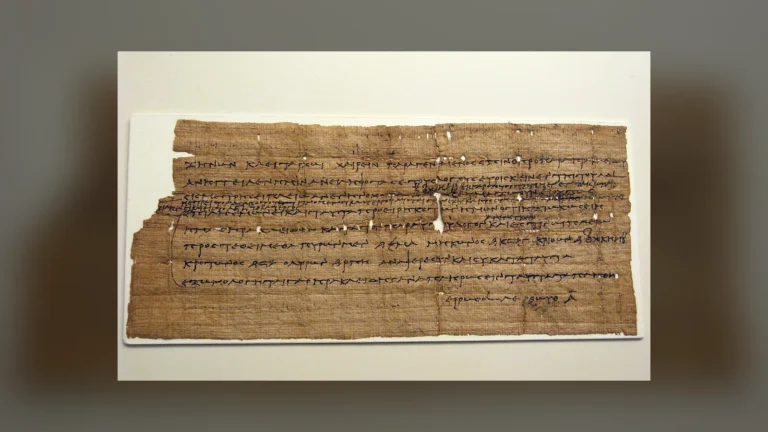 EXPLORE THE EVIDENCEPelusium in 259 BCE: Customs, Wine and Honey in the Zenon PapyriRead study ↗
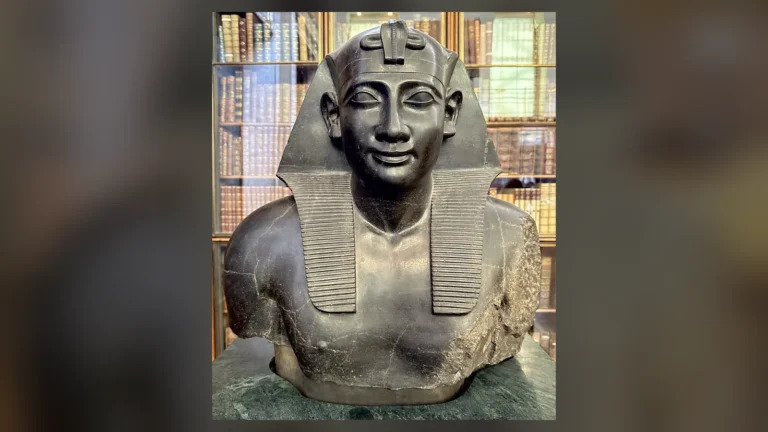 EXPLORE THE EVIDENCEPtolemy I Soter: How a Governor Turned Egypt into a KingdomRead study ↗
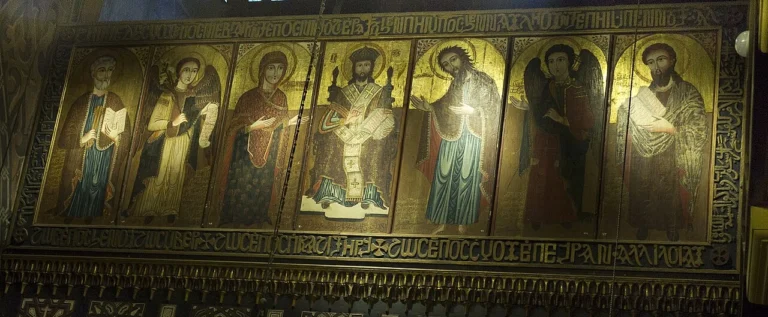 EXPLORE THE EVIDENCEThe Hanging Church in Coptic Cairo: Babylon Fortress, Icons and a Living Christian HeritageRead study ↗
 EXPLORE THE EVIDENCEWadi Natrun Monasteries: Ancient Scetis, Coptic Manuscripts and the Surviving Desert CommunitiesRead study ↗
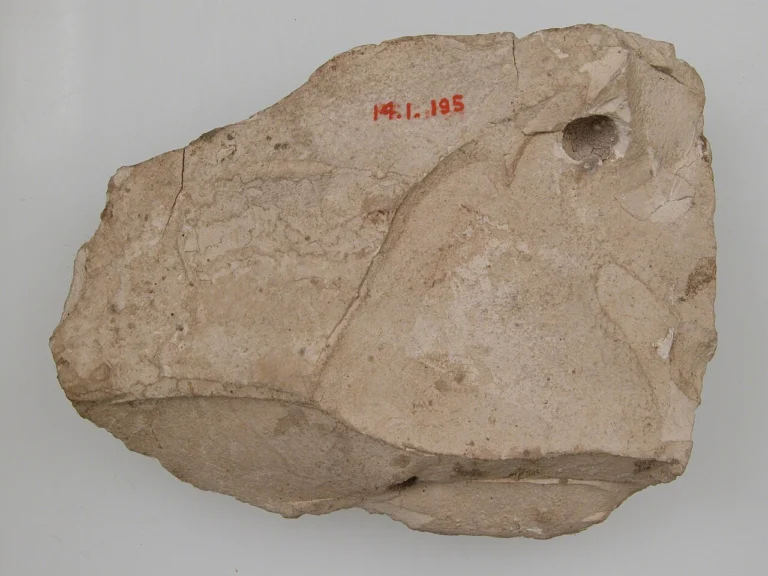 EXPLORE THE EVIDENCECoptic Language: Egypt’s Living Linguistic Link from Hieroglyphs to Modern WorshipRead study ↗
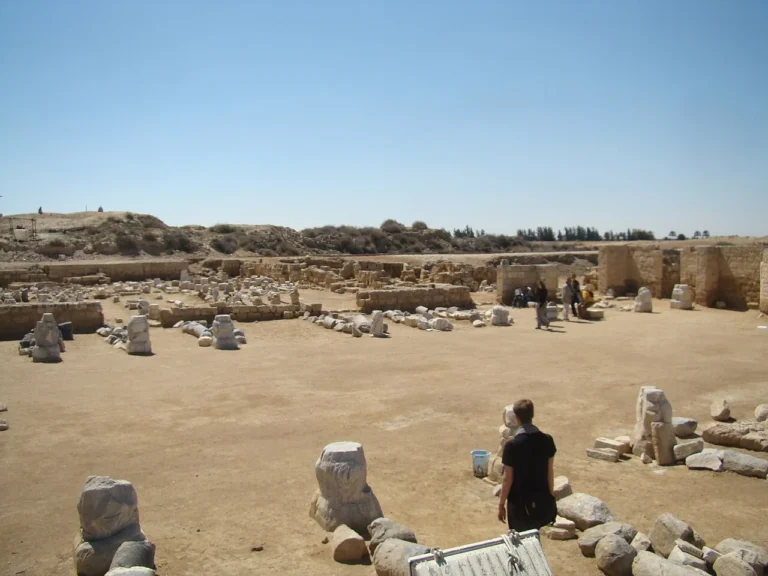 EXPLORE THE EVIDENCEAbu Mena: Egypt’s Early Christian Pilgrimage City and UNESCO Conservation in 2026Read study ↗
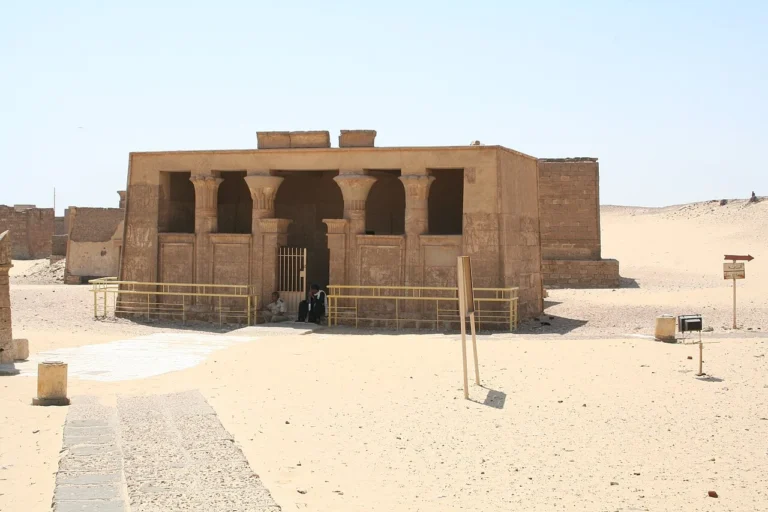 EXPLORE THE EVIDENCETomb of Petosiris at Tuna el-Gebel: Thoth’s High Priest and the Meeting of Egyptian and Greek ArtRead study ↗
Historical overview, sources & further reading

Egypt was connected to the wider Mediterranean long before Alexander, but the Hellenistic, Roman and Byzantine centuries profoundly reshaped government, cities, language and religious life.
From Alexander to the Ptolemies
Alexander entered Egypt in 332 BCE. The Ptolemaic dynasty emerged after his death and the struggles among his successors; the royal kingdom is commonly dated from 305 BCE. Alexandria grew as a major city and intellectual centre. Greek and Egyptian traditions interacted in institutions, artistic forms and worship, without erasing the diversity of local identities.
Egypt under Roman rule
After the defeat of Antony and Cleopatra VII, Egypt came under Octavian’s control in 30 BCE. Its agricultural resources and strategic location made it significant within the empire. Archaeological remains, documents on papyrus, portraits and inscriptions reveal administration, work, commerce and relationships among communities better than a list of emperors alone.
Christian communities and Byzantine centuries
Christianity developed in Egypt during the Roman era; it did not first appear in 395. Coptic language and literature, monastic traditions and church architecture became important aspects of Egyptian cultural history. Some chronologies begin the Byzantine period at 330 and others emphasize the division of imperial administration in 395. Both approaches need context.
Places and evidence
The ruins of Alexandria, Roman-period papyri, monastic heritage and museum collections connect the political timeline to surviving objects. Modern tourist access is a separate question from what an ancient source can establish; practical visiting guidance belongs in our travel guides.
Evidence & further reading
The period boundaries and historical framework are checked against the National Museum of Egyptian Civilization and the Ministry of Tourism and Antiquities. More detailed articles distinguish surviving evidence, interpretation and modern artistic reconstruction.