Egypt’s Fourth Dynasty transformed the appearance of royal power. During the Old Kingdom, kings commissioned projects at Meidum, Dahshur, Abu Rawash and Giza that changed the engineering of stone pyramids and the organization of funerary landscapes. Yet the dynasty cannot be understood as a simple contest to build the largest monument. The surviving temples, administrative records, statues, tombs and religious practices reveal a state concerned with resources, succession, craftsmanship and enduring royal commemoration.
This Kemet Vault guide is a historical overview for students: it follows the dynasty’s rulers and architectural development, explains how researchers know what they know, and distinguishes chronological estimates from more securely established relationships. For transport, tickets and present-day travel, use a separate Giza visitor guide.
The Fourth Dynasty at a glance
How the Fourth Dynasty fits into the Old Kingdom
The Old Kingdom conventionally comprises Egypt’s Third through Sixth Dynasties. The Step Pyramid associated with Djoser in the Third Dynasty showed the potential of large-scale stone royal tomb architecture, but the true smooth-sided pyramid took shape through further experiments. Fourth Dynasty rulers inherited an established royal ideology and carried its construction techniques to unprecedented scale. Their monuments were not merely engineering displays: they belonged to religious environments where a deceased ruler could receive cult offerings and remain present in the commemorative life of the state.
Most timelines use a sequence centered on Sneferu, Khufu, Djedefre, Khafre and Menkaure, ending with Shepseskaf. Short or disputed reigns and the precise positions of individual names remain matters of historical reconstruction. A student’s best practice is to cite a chronology rather than invent exact precision across every ruler.
A visual map of the dynasty’s monuments
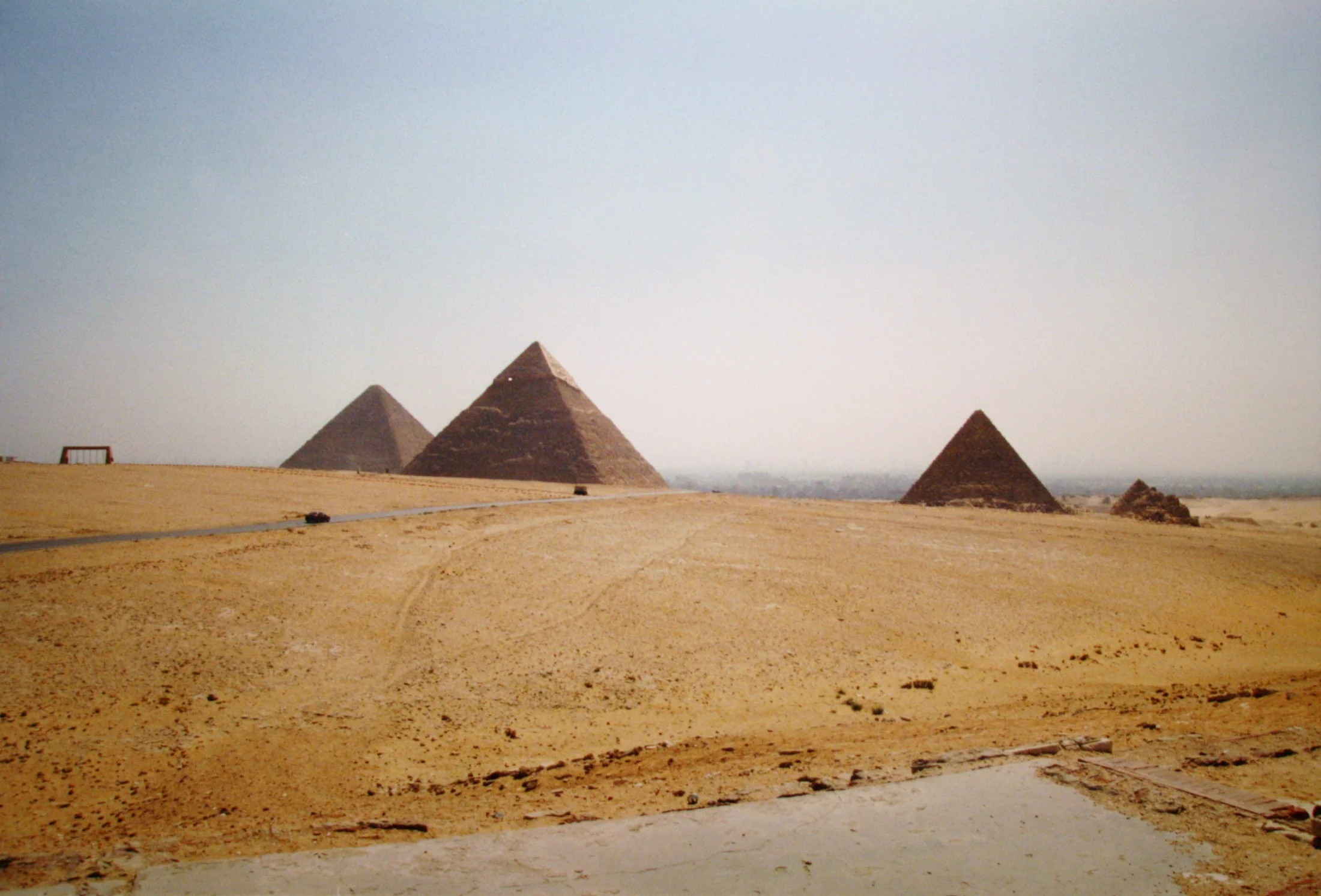
Giza became the most visually famous center of the dynasty, but it was not the entire story. Sneferu’s pyramids at Meidum and Dahshur are essential to the architectural sequence; Djedefre’s project at Abu Rawash brings a different topographic choice into view; and the later royal tomb of Shepseskaf departed from the familiar pyramid form. Each site’s material record has a different history of preservation, reuse and excavation.
For a meaningful comparison, examine not only height but also construction methods, temples, valley approaches, subsidiary burials and the relationship between royal and elite cemeteries. A surviving massive core cannot by itself reveal a lost temple’s entire decorative program.
Sneferu: experimentation before Giza
Sneferu’s reign is central to the development of the true pyramid. At Meidum, architectural phases reflect the transformation of a stepped form toward smooth sides. At Dahshur, the Bent Pyramid famously changes slope partway up, and the Red Pyramid offers a successful smooth-sided form. These monuments are usually discussed as a sequence of experimentation, but the precise history of particular structural decisions needs careful reference to archaeological study rather than a dramatic account of one sudden disaster.
Egypt’s Ministry of Tourism and Antiquities describes the change in the Bent Pyramid’s angle as a design response to structural problems. Meidum’s later damaged appearance has sometimes inspired stories of a catastrophic collapse while the pyramid was being constructed. The Ministry’s description of the debris points instead toward gradual destruction and erosion. This is a valuable classroom lesson: a plausible-looking modern narrative may be weakened by evidence in the stratigraphy.
Sneferu’s projects also illuminate the institutional context. Several large monuments within a single reign suggest considerable resources, expertise and continuity of work. Whether a particular pyramid had one straightforward purpose throughout every phase is a different question from the monument’s confirmed attribution to the king.
Khufu: the Great Pyramid and the wider state
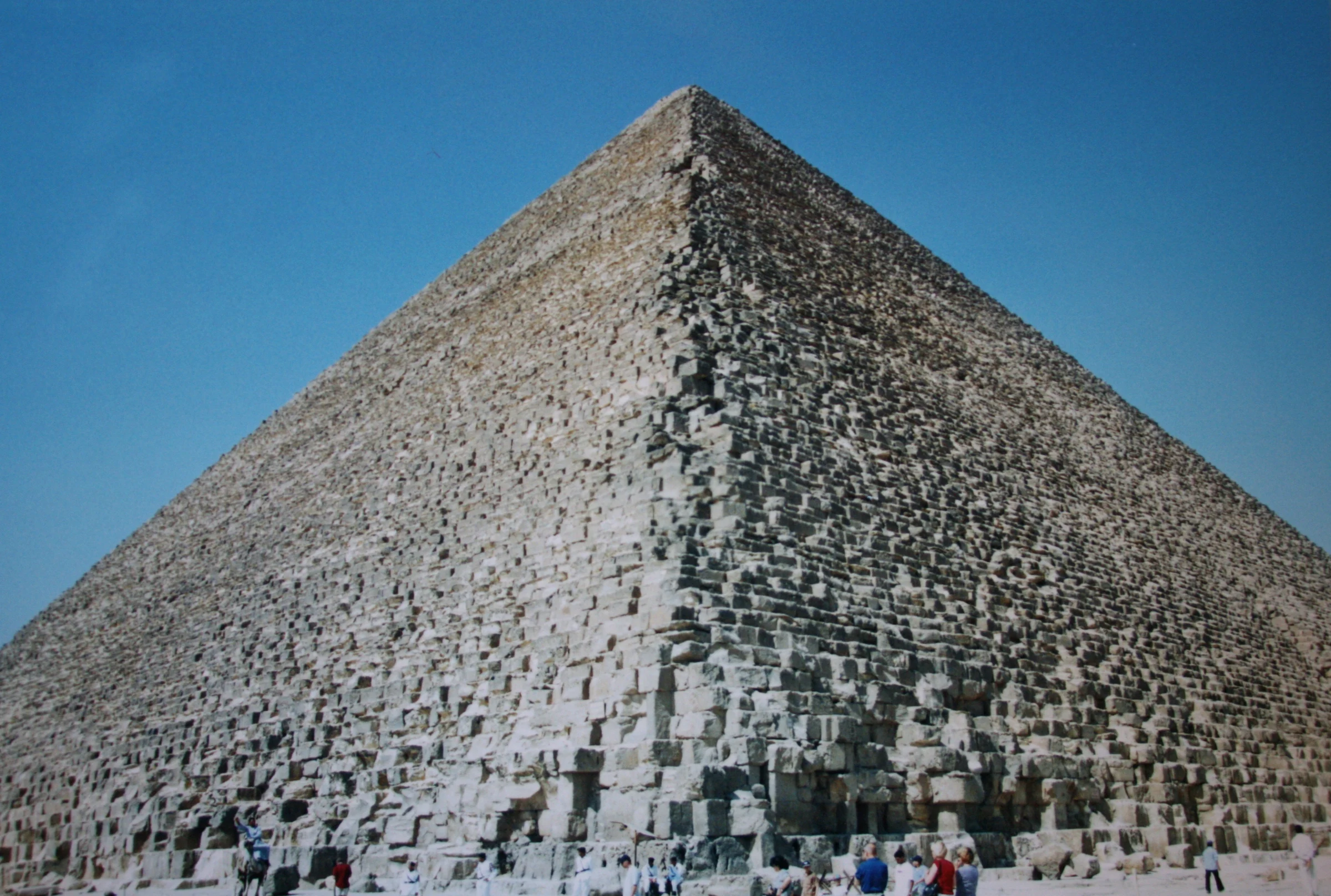
Khufu’s Great Pyramid, originally about 146.5 meters high according to the Ministry, is the most famous monument of the dynasty. Its funerary complex extended beyond the pyramid’s visible core to include subsidiary structures, temples, cemeteries and connections across the plateau. A scholarly article about Khufu should not treat the monument’s size as a complete explanation of its historical significance.
Administrative papyri found at Wadi al-Jarf provide some of the most useful direct contemporary evidence for movement of limestone and the organization of work during the later part of Khufu’s reign. The journal associated with an official called Merer records transport operations. It does not give a complete technical blueprint or identify every person who ever worked on the project. For a full source-based analysis, open the Khufu encyclopedia dossier.
Djedefre and the importance of succession
Djedefre’s reign reminds us that the dynasty did not consist only of the three surviving major pyramids at Giza. His pyramid project at Abu Rawash lay north of the Giza plateau. The choices made by individual rulers depended on religious aims, geography, resources and succession, and modern scholars continue to examine these relations through archaeology and inscriptions.
Earlier scholarship sometimes presented the dynasty as a simple story of political conflict after Khufu; many stronger versions of that claim rest on much thinner evidence than the popular plot suggests. A change of building site does not automatically prove a family feud. Evidence for kinship, royal titulary and cult arrangements must be evaluated on its own terms.
Royal names on monuments also show shifts in the language of divine association. The increased visibility of solar religious concepts in the Fourth and following Fifth Dynasties is a subject for Egyptological study, not evidence that an entire older religion vanished overnight.
Khafre: a coordinated funerary landscape
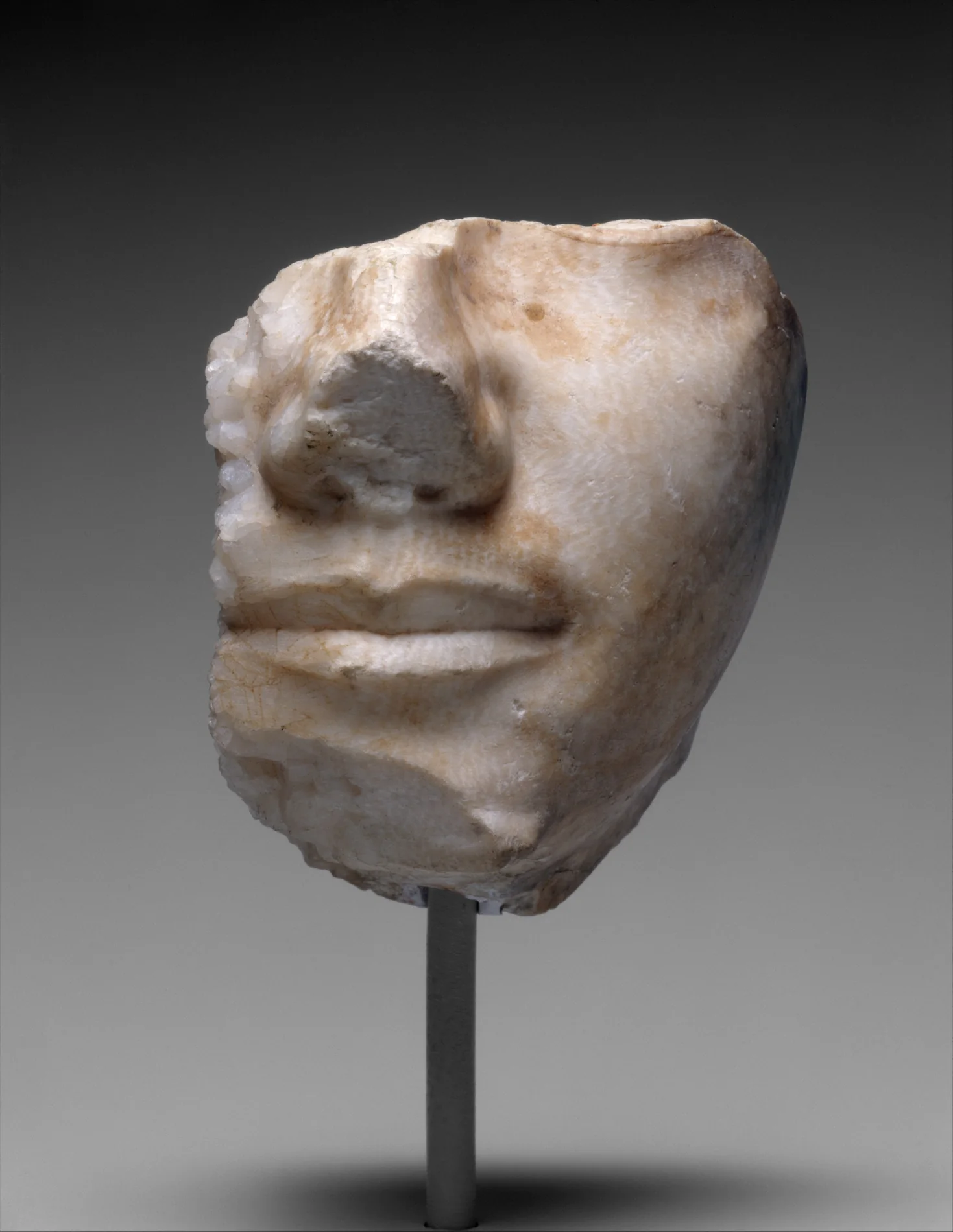
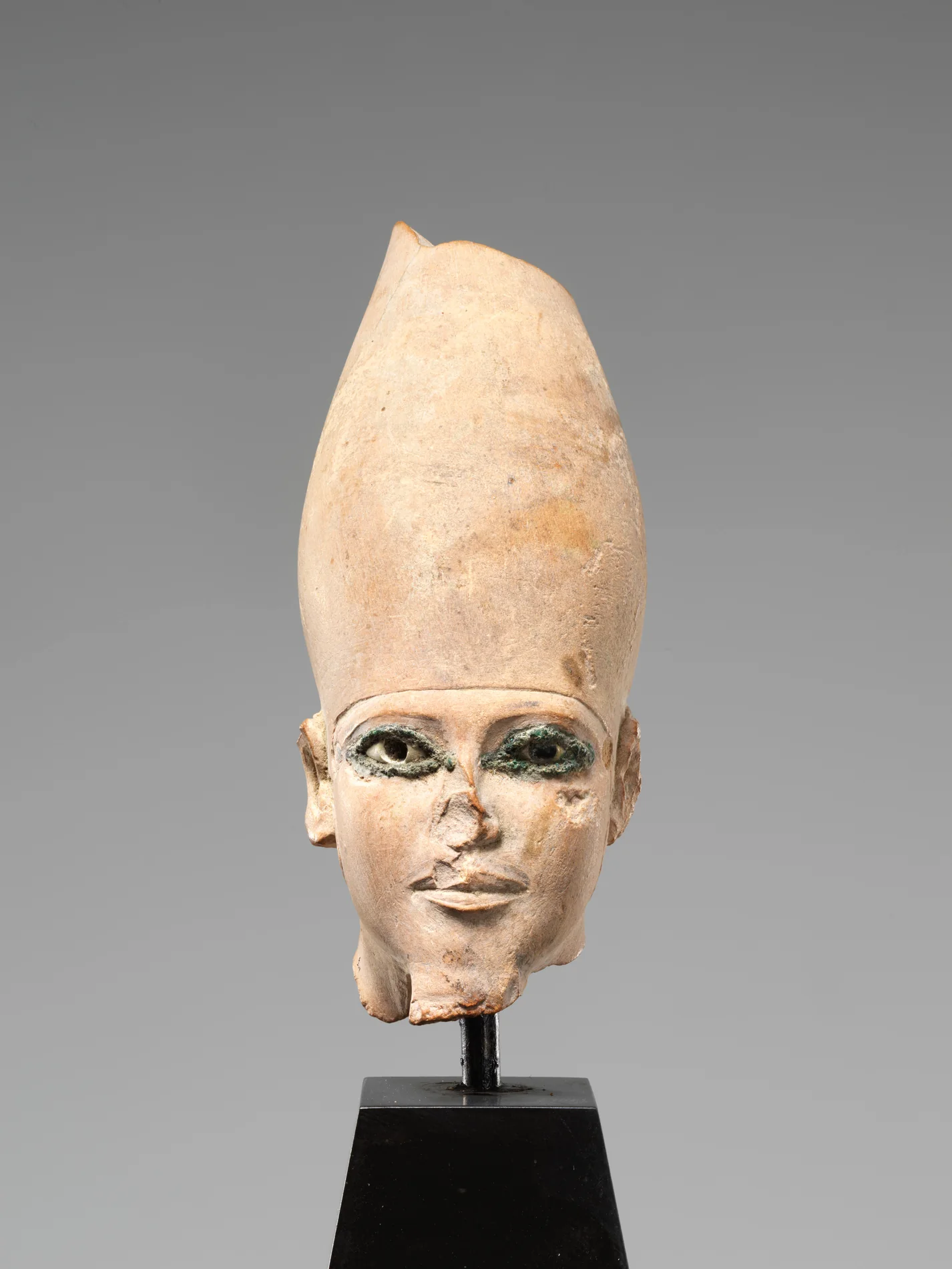
Khafre’s pyramid complex illustrates how the landscape of burial and commemoration became architecturally integrated. The pyramid stands on higher ground than Khufu’s and may appear taller in some views although its original height was lower. Its mortuary temple, causeway and valley temple form parts of the same royal program, while the Great Sphinx and associated temple occupy an important position nearby.
The Egyptian Ministry associates the Great Sphinx with Khafre on the basis of archaeological context and architectural relationships. Specialists examine those relationships rather than treating an uninscribed sculpture as an automatically dated royal portrait. The famous granodiorite king statue with a falcon behind his head expresses the protected authority of kingship through imagery. Explore Khafre’s dedicated profile for the monument and the surviving sculpture.
Menkaure: smaller pyramid, substantial artistic legacy
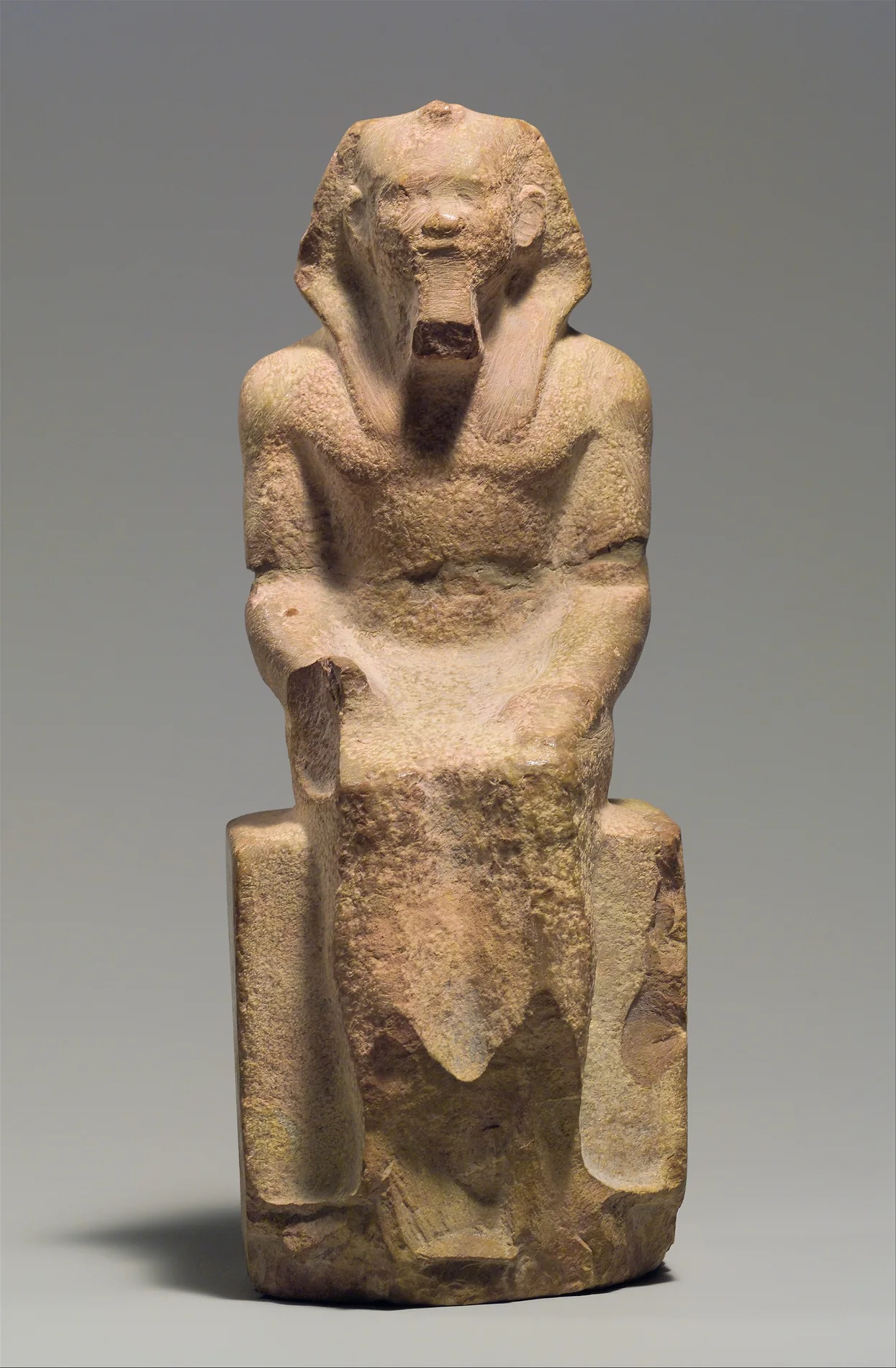
Menkaure’s pyramid is substantially smaller than those of Khufu and Khafre, but monument size should not be mistaken for a simple measurement of political strength. His funerary complex involved granite casing in lower courses and a significant temple program. The Ministry notes the demanding journey of transporting granite from Aswan and the difficulty of working it compared with limestone.
Menkaure is also important for sculpture. The unfinished seated statue now held by The Met was discovered in a workshop setting near his valley temple. This archaeological context provides a glimpse of process: work could be blocked out and polished in stages, while surviving incomplete pieces preserve traces normally lost in a finished work. Museum collections also preserve celebrated sculptures showing him with divine or royal companions. Read the separate Menkaure research profile for the sculptural and architectural evidence.
Shepseskaf and the limits of the pyramid narrative
Shepseskaf’s memorial complex at South Saqqara takes a different form from the large Giza pyramids. Its existence reminds us that the dynasty’s religious world cannot be reduced to a rigid rule in which every ruler necessarily constructed a monument with an identical silhouette. The precise significance of the form is debated; it is safer to describe the architectural departure than to claim that it proves the destruction of established royal cults.
The dynasty’s boundary with the Fifth Dynasty is also important. In the Fifth Dynasty, sun temples and additional developments in royal funerary practices become visible. The surviving monuments have a complex relation to a changing state, and any narrative of sudden inevitable decline needs to be tested against details of temple investment and cult economies rather than asserted from pyramid height alone.
Materials, logistics and work: what the buildings imply
Quarrying limestone, acquiring granite, preparing pathways and provisioning construction crews required coordinated activity. Egypt’s monuments preserve stone, but the wider system also depended on river transport, knowledge of seasonal conditions, skilled labor and administrative oversight. The Wadi al-Jarf documents offer a rare written perspective on this process; evidence from settlements and cemeteries offers another.
The familiar claim that all pyramids were constructed by an unchanging population of anonymous slaves does not capture the complexity of the archaeological record. Specialists differentiate administrative personnel, quarry crews, transport workers, builders and provisions associated with work settlements. We cannot confidently calculate every exact staffing arrangement from the surviving sources, but the surviving material makes a simplistic stereotype difficult to defend.
Some parts of pyramid engineering remain subjects of debate. Excavated quarries, tool traces, transport documentation and measured architecture can constrain proposals. They do not justify repeating speculative mechanisms as established fact or attributing construction to supernatural or non-human agents.
Royal representation: why an object is not merely decoration
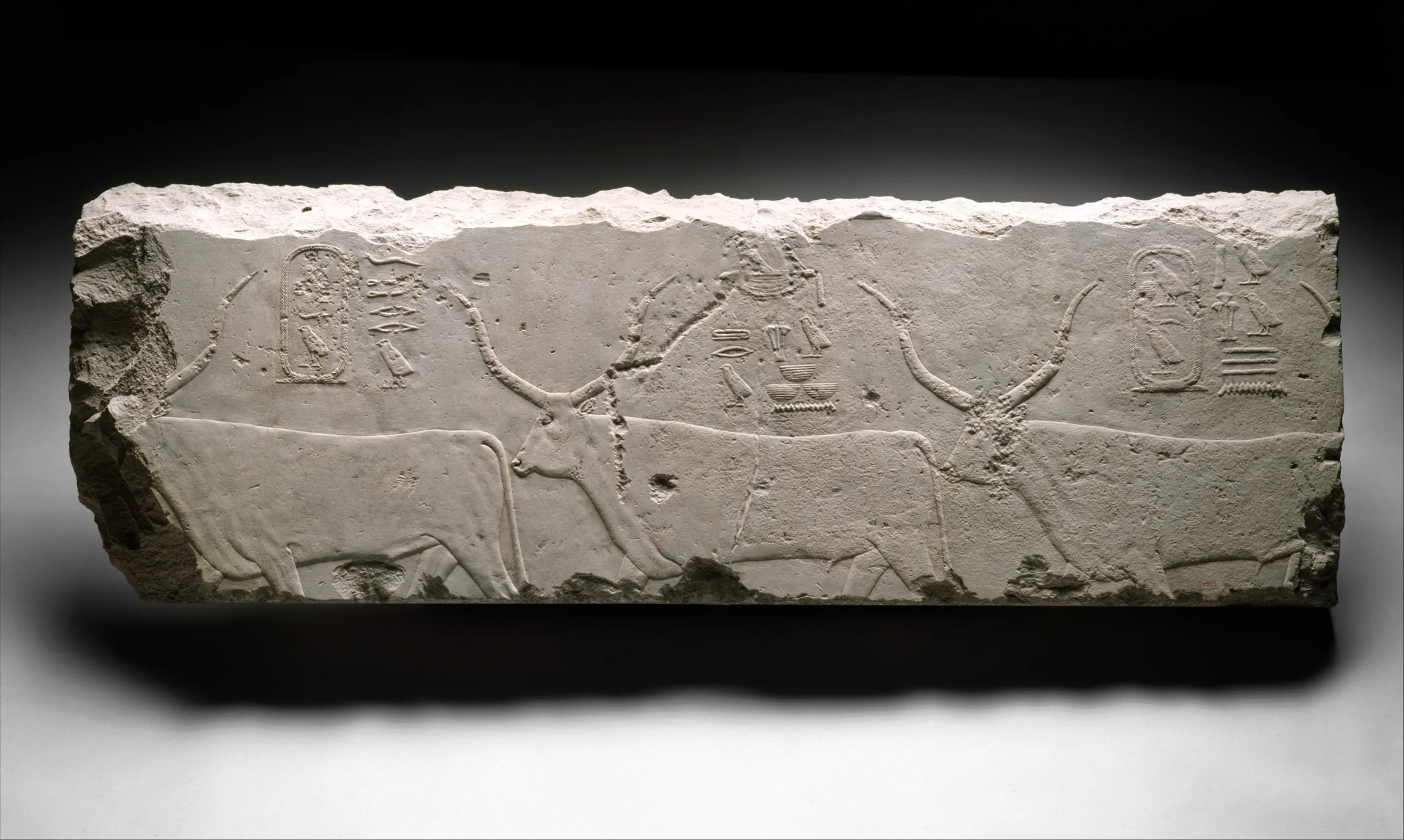
Stone sculpture, relief fragments and tomb inscriptions are not incidental illustrations of the pyramids. Their wording and original or secondary archaeological locations provide evidence about the organization of royal funerary cults. Objects showing offerings, estates or the king with gods can illuminate ritual priorities. They must nevertheless be dated and attributed carefully, particularly when pieces were reused in later monuments.
A statue’s stylistic similarity to a king’s portrait may justify a carefully worded identification such as “probably Khafre,” not an absolute claim. Equally, a relief found near an ancient settlement cannot automatically be said to show the appearance of that settlement at the moment when it was first built. A reliable caption gives the institution, accession number, date and uncertainty.
The Great Sphinx in historical context
The Great Sphinx was carved from the bedrock of the Giza plateau and sits by the landscape associated with Khafre’s valley temple. The Ministry’s analysis supports a Khafre-era attribution, including the relation of the neighboring buildings. That is stronger evidence than a claim based only on the perceived resemblance between faces, yet precise readings of some details continue to be discussed.
Over subsequent centuries the Sphinx acquired further religious interpretations, and later rulers carried out activities near it. Students should separate what belongs to its Fourth Dynasty construction setting from New Kingdom dedications and modern conservation. The Sphinx is not simply a neutral marker for the three pyramids; it has its own long and complicated history of use and interpretation.
Fourth Dynasty chronology: why precise dates differ
Absolute dates in ancient Egyptian history are modern reconstructions, combining king lists, archaeological sequences, astronomical evidence and other records. Egypt’s Ministry commonly presents the Fourth Dynasty around 2613–2494 BCE, while The Met’s individual object records sometimes follow a different framework that shifts the approximate reigns. The central sequence of famous rulers is much more secure than the precise alignment of every year with a modern calendar.
A student comparing the Menkaure monument page at the Ministry with an object catalog at The Met may encounter different BCE dates. That is not evidence of two separate Menkaures or a museum error by itself. Cite each date with its system, avoid silently mixing dates, and focus first on the securely evidenced relation between artifact and archaeological period.
How researchers build an argument from the Fourth Dynasty
Describe the observed evidence
Identify building courses, a dated inscription, an archaeological findspot or a carefully cataloged object. Avoid beginning from an appealing theory and treating every nearby observation as proof.
Check original and secondary contexts
Was an object found in its original temple or reused in a later structure? Its modern museum accession helps a researcher verify the object, but it is not itself evidence for the ancient findspot.
Compare records and timelines
Use the Ministry’s historical overview, current museum catalog scholarship and specialist excavation publications. Record differences in absolute dating, proposed interpretations and confidence.
Label hypotheses clearly
Debated construction ramps, a proposed cult connection or a speculative family succession should not be presented as a certainty when the archaeological and textual evidence is incomplete.
Frequently asked questions
Did the Fourth Dynasty invent the pyramid?
No. Pyramid construction began earlier in the Old Kingdom with the Third Dynasty. Fourth Dynasty builders developed smooth-sided pyramid architecture dramatically, especially under Sneferu and Khufu.
Which Fourth Dynasty rulers built the three main Giza pyramids?
Khufu built the Great Pyramid, Khafre built the second major royal pyramid complex, and Menkaure built the third. Their associated temples, subsidiary burials and surrounding cemeteries are part of understanding each complex.
Does the smaller pyramid of Menkaure prove Egypt was collapsing?
No. Its reduced size is a real fact, but granite casing and temple investment complicate the claim that pyramid height directly measures the strength of the state. Evaluate resources and religious priorities together.
Is the Great Sphinx definitely a portrait of Khafre?
The Egyptian Ministry considers the evidence for a Khafre-era construction compelling, mainly in its architectural context. Identification of an uninscribed monument’s precise intended facial portrait is a separate interpretive question.
Why do museum labels show different dates for the same king?
Ancient Egyptian absolute chronology is reconstructed and reference systems can vary. State the convention you use and preserve the institution’s own object-date wording.
Were all pyramids constructed at Giza?
No. Sneferu’s projects at Meidum and Dahshur and Djedefre’s at Abu Rawash show the range of royal burial locations before and during the principal Giza projects.
Explore connected research
Read Khufu, Khafre and Menkaure as separate historical research dossiers. The Giza archaeology overview explains the setting, while the Old Kingdom timeline and Giza atlas site connect the records to places and periods. Visitor information belongs in the cultural travel guide.
Sources and image provenance
- Egyptian Ministry — Old Kingdom overview and Fourth Dynasty sequence.
- Egyptian Ministry — Giza Plateau.
- Egyptian Ministry — Bent Pyramid at Dahshur.
- Egyptian Ministry — Red Pyramid.
- Egyptian Ministry — Meidum Pyramid.
- Egyptian Ministry — Khafre Pyramid Complex.
- Egyptian Ministry — Menkaure Pyramid Complex.
- The Met — Fragmentary Face of King Khafre, 26.7.1392.
- The Met — Head Probably Khafre, 2021.41.80.
- The Met — Menkaure statue, 37.6.1.
Methodology: original Kemet Vault synthesis based on the cited institutions. Object dates reflect the catalog system shown; photographic media are locally hosted with an archived public-domain source and are not evidence for undocumented reconstructions.