Ten days in Egypt can be a memorable introduction to the country’s history and living culture when the route is planned realistically. Instead of sprinting through Cairo, the pyramids, Luxor and Aswan in a few exhausting days, this itinerary gives each destination its own space: Giza’s monuments, the Grand Egyptian Museum, temples and royal tombs at Luxor, then the islands and Nubian setting of Aswan. Optional Abu Simbel adds one of Egypt’s most dramatic temple landscapes. The goal is not the longest checklist but a trip that remains rewarding even when transport or weather changes.
Who this ten-day itinerary is for
Ten days is enough time for a strong introduction to Egypt’s main Nile Valley highlights, but not enough to see every temple, museum, desert oasis and Red Sea beach. This route is designed for first-time travelers interested in ancient history who also want breathing room for modern Cairo, the river and local culture.
It concentrates on three main bases: Cairo and Giza, Luxor, and Aswan. This minimizes constant hotel changes and makes the schedule more realistic. The order can be reversed if flights, trains or accommodation suit the opposite direction. It assumes normal site access rather than guaranteeing any particular attraction’s operating hours.
If the primary goal is scuba diving, desert camping or a slow resort holiday, this is the wrong itinerary. Those experiences deserve separate trips instead of becoming a tiny detour added to a busy archaeological route.
The route at a glance
| Day | Base | Main focus |
|---|---|---|
| 1 | Cairo | Arrive, recover and explore nearby streets |
| 2 | Cairo/Giza | Giza pyramids and Sphinx |
| 3 | Cairo/Giza | Grand Egyptian Museum |
| 4 | Luxor | Transfer and Luxor Temple |
| 5 | Luxor | West Bank and royal tombs |
| 6 | Luxor | Karnak and local Nilefront |
| 7 | Aswan | Transfer, riverfront and slow evening |
| 8 | Aswan | Philae and island culture |
| 9 | Aswan | Abu Simbel excursion or relaxed river day |
| 10 | Departure | Final visit and onward transfer |
Transfers are deliberately not assigned impossible clock times. Availability of flights, trains, tours and site admission varies. Verify the actual travel date and reserve key services before treating this as a fixed booking schedule.
Day 1: arrive in Cairo without overloading the schedule
Arrival is rarely the best moment to attempt a packed museum itinerary. Allow time for airport procedures, transport, check-in and adjusting to the city’s pace. A short walk in the vicinity of your accommodation or an unhurried meal can be a better start.
Choose where to stay based on the next two days. Accommodation closer to Giza may reduce travel time to the pyramids and the new museum, while a central Cairo base can offer access to other neighbourhoods and the older Egyptian Museum. Neither choice is universally superior; traffic and personal preferences matter.
Use this day to confirm your GEM timed entry and Giza arrangements. Download confirmations and note exact entrances, because museum and pyramid tickets are separate products.
Day 2: Giza pyramids and the Great Sphinx
Give the Giza Plateau most of the day rather than reducing it to a photograph stop. The pyramids of Khufu, Khafre and Menkaure belong to a larger royal burial landscape, with temples and associated structures. A guide or carefully prepared background reading can make the visible ruins more meaningful.
Choose in advance whether entering a pyramid is important. Such entry can involve enclosed spaces, steps and separate ticket requirements. It is not appropriate for every visitor. The outside architecture and plateau views remain rewarding without an interior visit.
Heat, walking distances and crowding may be significant. Check the current official entrance, site rules and ticket categories close to travel; do not reuse a months-old price from a travel blog. For focused visitor advice see the practical Giza pyramids guide.
Day 3: devote a full day to the Grand Egyptian Museum
The Grand Egyptian Museum deserves time independent of the pyramid visit. Begin with the Ramesses II statue and Grand Stairs, then explore the themed main galleries before spending a substantial block with Tutankhamun and Khufu’s boat.
Reserve through the official ticket service, selecting a date and entry window. Admission rates differ by nationality and eligibility, and prices announced for November 2026 differ from those earlier in October. A full guide is available in our Grand Egyptian Museum article, which includes dated ticket information.
The museum and the historic Egyptian Museum in Tahrir are different institutions. Do not expect to see both exhaustively on the same day; this itinerary keeps the day focused on GEM.
Day 4: transfer to Luxor and see the temple at a comfortable pace
Travel to Luxor by an available domestic flight or rail service, depending on the season, timetable and budget. The trip itself takes part of a day once check-in, station or airport transfers and delays are included. A plan that adds several major sights immediately on arrival is often unrealistic.
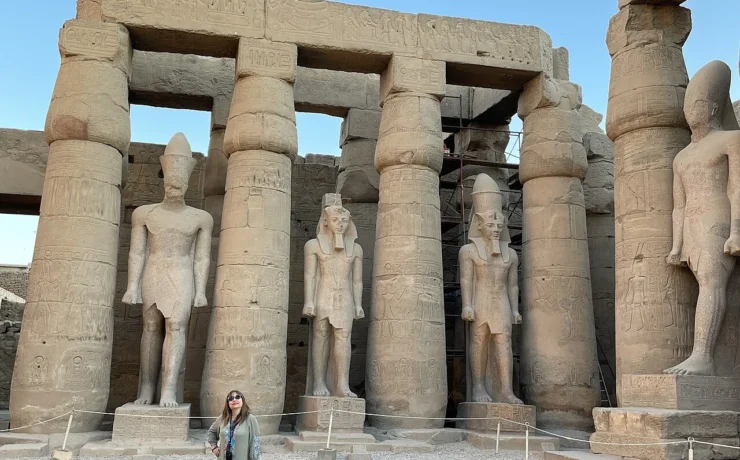
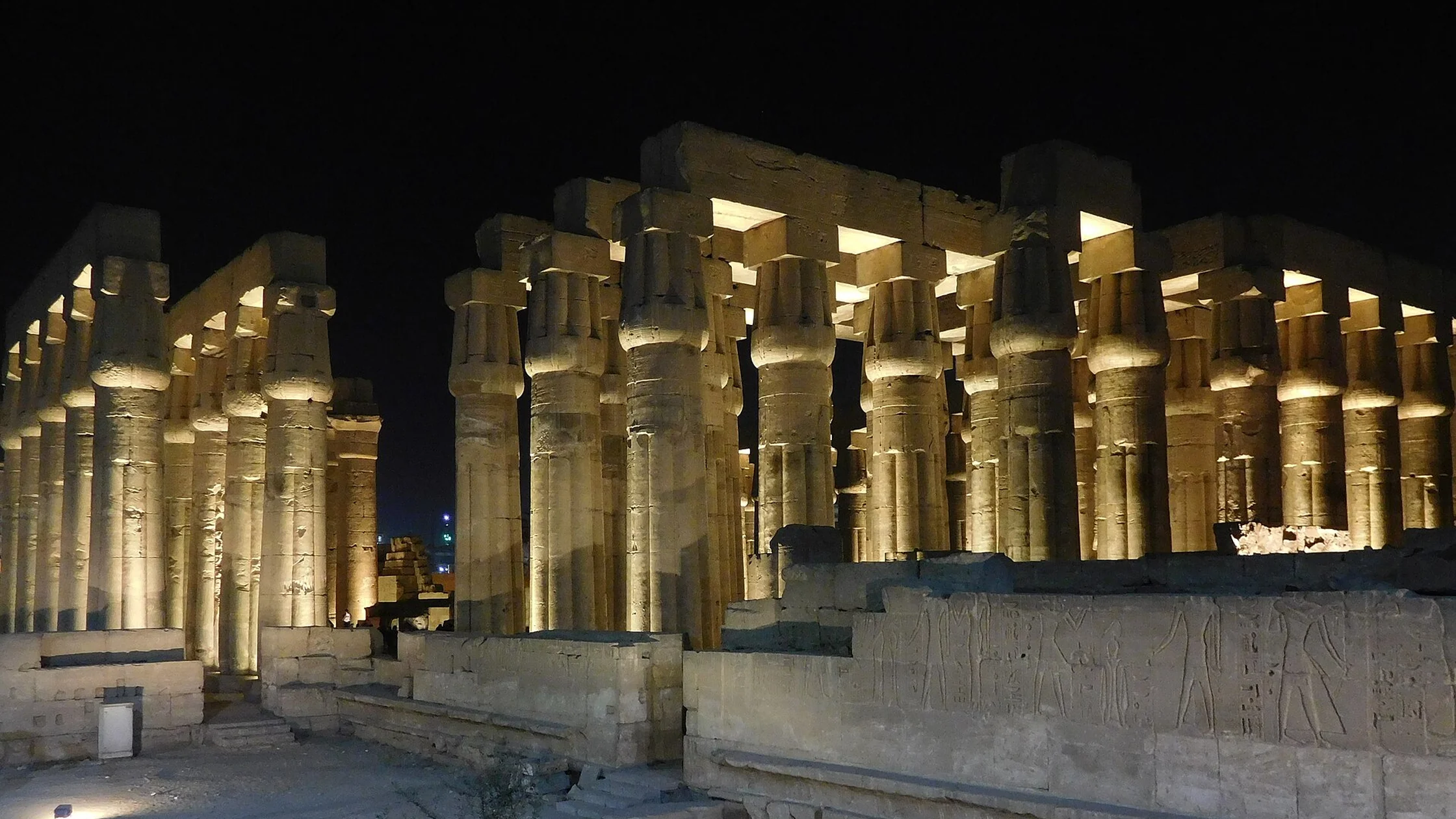
After settling in, visit Luxor Temple if its opening arrangement and your energy permit. Its illuminated architectural features can be beautiful in the evening, but do not assume a specific lighting schedule without checking. The avenue of sphinxes connects Luxor’s sacred urban landscape with Karnak in a story spanning many centuries.
Luxor is not only an open-air archive. An evening walk by the river, local food and rest are part of an enjoyable experience. We cover the destination’s present-day cultural atmosphere in our Luxor cultural experience guide.
Day 5: West Bank, Valley of the Kings and temples
Plan a West Bank day around a manageable number of stops. The Valley of the Kings is famous for royal rock-cut tombs, but access to individual tombs and special tickets can vary. The Temple of Hatshepsut and other mortuary monuments provide context for the broader landscape of ancient Thebes.
Touring every famous tomb is not necessary. Selecting a small group and reading the wall scenes carefully can communicate more than rushing past many spaces. Consider conservation restrictions, enclosed interiors and the impact of heat.
Transport on the West Bank is useful because major attractions are spread across the landscape. Book an appropriately paced route and confirm which admission tickets are included. The tombs represent ancient beliefs about kingship and afterlife, not evidence that every myth pictured on a wall happened literally.
Day 6: Karnak and time for Luxor’s living city
Karnak is an extraordinary temple complex with different construction phases, sanctuaries, courts and colossal columns. The Great Hypostyle Hall is famous, but the surrounding inscriptions and architectural layers help explain why successive rulers altered the site.
Visit with enough time to read and pause rather than trying to identify every king from memory. A careful route may cover the major courts and prominent monuments while leaving room for unhurried observation.
In the second part of the day, enjoy the Nilefront, markets or an additional smaller museum based on personal interest and confirmed hours. Luxor remains a living city with communities and contemporary traditions; a responsible trip respects that life instead of treating residents as historical scenery.
Day 7: travel south to Aswan
Move from Luxor to Aswan using a train, private transfer or another service suited to the booked date. Railway and road timetables can change, so leave sensible buffers and avoid stacking an important museum ticket immediately after a long transfer.
The change of setting is part of the experience: granite cliffs, islands and a different rhythm of the Nile distinguish Aswan from Luxor. Spend the afternoon settling in and appreciating the river. A short sail may be attractive if the wind and local operator allow it, but don’t try to force a sunset appointment after a delayed arrival.
Travellers interested in the setting and its living culture can read Aswan’s Nile islands and Nubian cultural guide.
Day 8: Philae and the islands
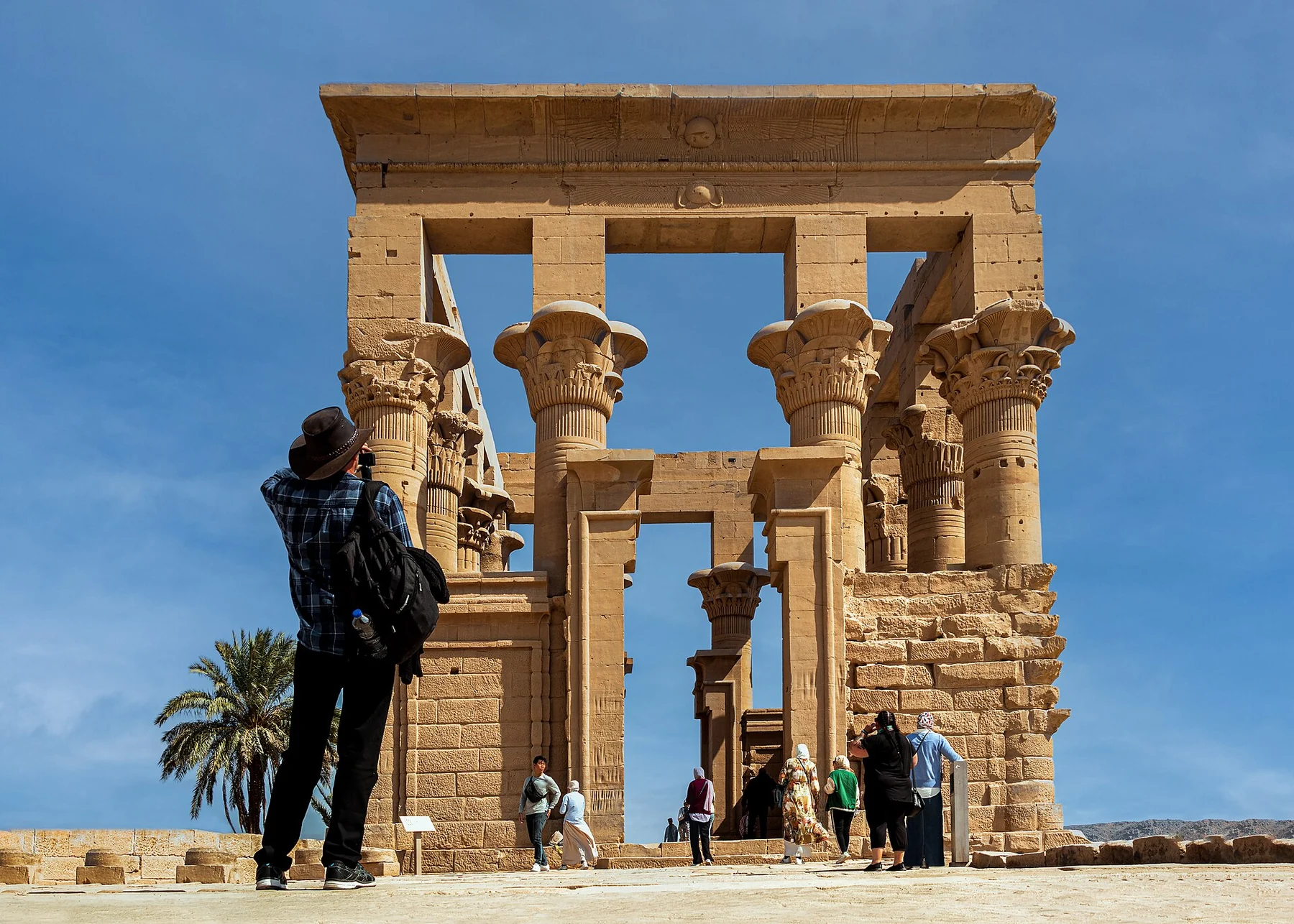
Philae is a must-consider Aswan attraction for visitors interested in Isis and the later phases of Egyptian temple worship. The temple’s relocation to Agilkia Island is also a modern conservation story connected to the UNESCO-led rescue of Nubian monuments.
The visit requires an appropriate boat transfer as well as site admission. Check exact arrangements through authoritative local providers rather than relying on an old package price. Give the sanctuary time: its reliefs, courtyards and island setting deserve more than a hurried stop.
Later in the day, a relaxed felucca ride or a visit to a garden or island can balance the historical experience. A boat excursion and an island archaeological ticket are different services; confirm what each provider includes.
Day 9: Abu Simbel or a slower Aswan day
Abu Simbel is a major excursion south of Aswan, known for the great rock-cut temples of Ramesses II and Nefertari. It is also a modern preservation landmark because the monuments were relocated during the international campaign to save Nubian heritage.
The road journey is long relative to a city outing, and transport times depend on route and provider. Check current departure arrangements, security guidance and ticket terms before choosing a tour. Travelers who prefer not to spend much of the day in transit can stay in Aswan and explore the river, local markets or an alternative site.
For cultural context see our Abu Simbel visitor guide. Whatever you choose, avoid making both a long Abu Simbel excursion and a packed afternoon of other distant attractions mandatory.
Day 10: departure and contingency time
Keep the final day light. An airport transfer, train departure or domestic flight to Cairo can take longer than the visible journey time. Leaving room for a delayed service or changed schedule is especially important when connecting to international transport.
If departure is late, enjoy a short riverfront walk or another activity close to your base. Do not commit to a costly, non-refundable excursion that ends close to your check-in cutoff.
A good itinerary includes not just destinations but margin. The last day is best used for a comfortable departure rather than squeezing in one more monument at all costs.
Domestic transport: train, flight, private car or cruise?
| Connection | Often considered options | Planning note |
|---|---|---|
| Cairo–Luxor | Domestic air, rail | Choose against real timetables and baggage needs |
| Luxor–Aswan | Train, road, some cruise itineraries | River cruises take longer and change the schedule |
| Aswan–Cairo | Domestic air, rail | Allow a generous connection buffer |
| Aswan–Abu Simbel | Arranged road excursion, variable services | Confirm departure and accessibility in advance |
No fare, journey time or departure listed here is guaranteed in 2026. Transportation providers and operational conditions change; booking sites or carrier timetables must be checked for the travel date.
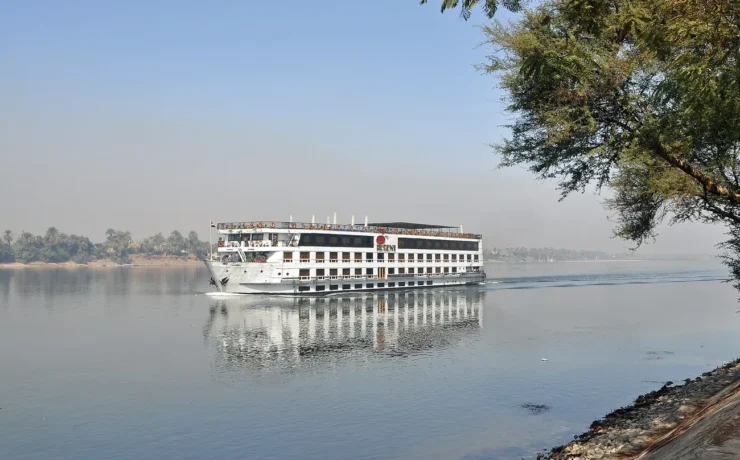
A Nile cruise between Luxor and Aswan is a valid alternative but normally changes the allocation of days. It should be treated as a different itinerary, not inserted into this schedule without removing other activities.
What this route costs, and where budgets usually change
The largest budget differences tend to come from hotel category, international and domestic transport, guide arrangements, museum entries and the choice of private versus shared transfers. A single ‘Egypt trip price’ is meaningless without specifying these components.
Compare costs in separate categories: accommodation, intercity travel, local transport, site tickets, food, guides and contingency. Check admission categories at official sites, particularly for age and nationality differences; special tombs and guided experiences may cost extra.
Do not over-optimise for the lowest displayed fare. An inconvenient location or transport connection can cost valuable sightseeing time. A comfortable route with realistic buffers often offers better value than an itinerary packed with nominally cheap tickets.
Packing, timing and respectful travel
Bring practical walking shoes, sun protection, water and clothing suitable for hot conditions and respectful visits. Temperature varies by season and between northern Cairo and southern Aswan, so review the actual forecast shortly before departure.
Keep copies of travel documents and reservation confirmations securely accessible. Ask before photographing individuals, respect signs in archaeological areas and do not climb monuments or touch painted wall surfaces.
Egyptian communities live and work around the famous sites. Their present-day culture deserves respect as much as the ancient artefacts. A rewarding journey combines thoughtful historical visits with normal human courtesy.
Frequently asked questions
Is 10 days enough to visit Egypt? Ten days can cover major Cairo/Giza, Luxor and Aswan highlights when transfers and rest are handled realistically, but it cannot cover all of Egypt.
Can the Red Sea be added? Yes, but a worthwhile beach stay generally requires removing a stop or adding days rather than a rushed detour.
Should I visit GEM and Giza on one day? It is possible for some travelers, but separate days offer a better experience and prevent museum fatigue.
Is a Nile cruise included? Not in this rail/flight-oriented sample. A multi-night cruise needs a revised schedule.
Are attraction prices fixed? No. Museum and site tariffs can vary by date and eligibility. Check official booking sources before travel.
Planning sources and photograph provenance
Use GEM’s official booking platform for museum tickets; Egyptian archaeological tickets portal where available; and UNESCO’s Nubian Monuments record for the significance of Abu Simbel and Philae. Links to Kemet Vault’s verified guides above provide venue-specific context.
Featured real travel photograph: Luxor Temple at night, photographed in February 2018 by Sherif217, licensed CC BY-SA 4.0. The photo documents one itinerary stop, not the whole ten-day journey.