What is the best time to visit Egypt? For sightseeing across Cairo, Luxor and Aswan, roughly October through April is generally more comfortable than peak summer, with November to February especially favourable for long outdoor days in southern Egypt. Red Sea resorts, Alexandria and short city breaks have different seasonal trade-offs, so the ideal month depends on the trip.
This guide uses climate normals published by the World Meteorological Organization from Egypt’s national meteorological service. The reported averages are historical, not predictions for a particular holiday; practical access, bookings, wind, water conditions and personal comfort require separate checks.
The best time to visit Egypt depends on where you are going
For a journey built around the monuments of Cairo, Luxor and Aswan, the cooler months from approximately October through April are generally more comfortable than the middle of summer. But Egypt is geographically varied, and a winter cultural itinerary is not identical to a Red Sea beach holiday, an Alexandria city break or a desert excursion. A truthful guide should treat best time as a comparison between travel goals, heat, daylight and expected visitor conditions, not a single universally perfect month.
Egypt’s climate varies sharply between the Mediterranean north, the Nile Valley and the southern interior. The World Meteorological Organization publishes climate normals supplied by the Egyptian Meteorological Authority for Cairo and Aswan. Those data show why a comfortable January archaeological visit to Aswan can become challenging during July. The exact temperatures on a future trip remain uncertain, but historic averages provide a sounder planning foundation than promotional claims that Egypt is pleasantly warm everywhere throughout the year.
The quick recommendation by visitor interest
For people mainly interested in pharaonic temples, medieval Cairo and museum visits, November through February offers a strong balance for outdoor exploration, with cooler nights and shorter daylight hours. March and October can also be rewarding transitional months, though temperatures can rise quickly in the south. Those whose main goal is a Red Sea resort may select a broader range of dates, taking account of wind, sea conditions and their own tolerance for heat rather than relying on the same calendar as a long desert walk.
A practical approach is to decide what the trip will contain before booking. Someone spending ten days between Cairo, Luxor and Aswan should plan differently from a family staying largely inside a coastal resort. Cultural opening hours, crowds, school holidays, flights and prices can also affect the preferred week; no single climate average proves that a given itinerary will be cheap or empty. This guide explains regional trade-offs and links to Kemet Vault’s ten-day Cairo–Luxor–Aswan route when a multi-city plan is needed.
Cairo from November to February
Cairo experiences relatively mild winter daytime temperatures compared with the south. The WMO climate averages list a mean daily maximum of about 19°C in January and 20.3°C in February, while typical January nights average much cooler. That can make outdoor exploration of Giza, Islamic Cairo and urban museums more manageable than in July or August. It does not mean that a winter evening is always warm enough for short sleeves.
Travelers combining open-air monuments with city walking should pack layers, especially for early starts and evening outings. Dust, wind and temporary rainfall can still affect a trip. Museum hours may differ from monument hours, and a mild average afternoon is no guarantee of uninterrupted sunshine. Visitors interested in medieval architecture can use the al-Muizz Street walking route for a realistic historic-corridor option once the day’s operating conditions have been verified.
Cairo in spring and early autumn
March, April and October are important transitional periods. The WMO’s Cairo normals place the mean daily maximum at about 23.4°C in March, 28.2°C in April and 29.7°C in October. The averages help explain why a daytime walk that feels pleasant in March may require more careful scheduling by late April. Spring winds and dust can also disrupt visibility and comfort, a practical concern near exposed archaeological sites.
Some visitors choose these months for a compromise between winter and summer, but that does not make them automatically quieter or cheaper. International holidays and local school calendars influence hotel demand independently of weather. Travelers should check a current forecast shortly before departure and allow space to rearrange lengthy outdoor visits around unusually hot or windy days. Historical averages are a long-term planning tool, not a substitute for actual weather warnings.
Luxor: choose outdoor archaeology hours carefully
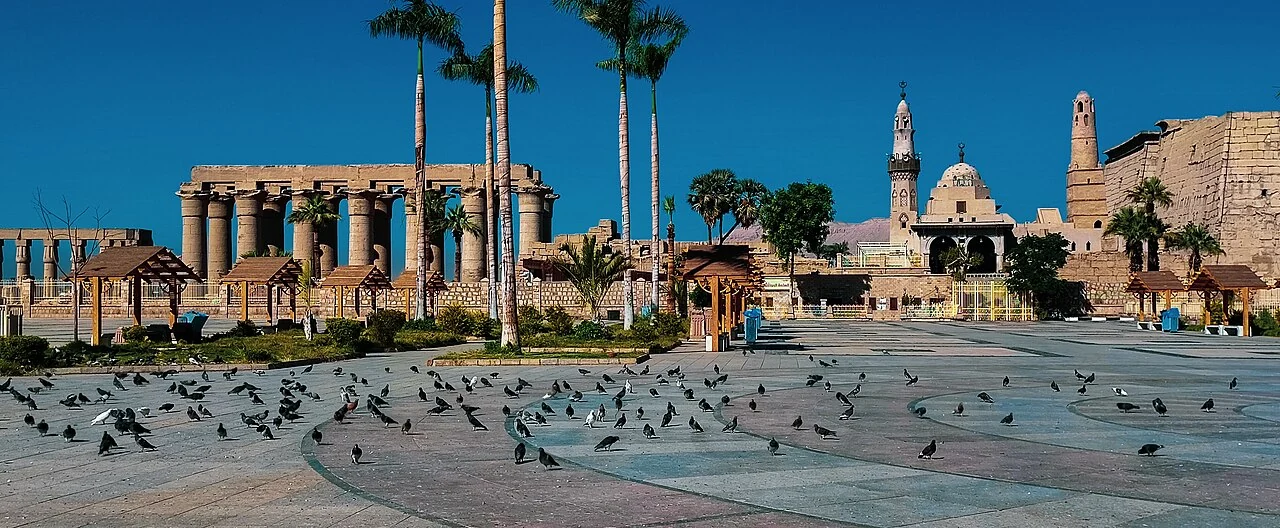
Luxor’s principal attractions include extensive open-air temples, tomb landscapes and archaeological routes. These can involve considerable walking and periods in direct sun, so the most comfortable season is typically the cooler part of the year. A personal tolerance for heat matters, especially on the West Bank, where some visits involve uneven ground and limited shade. Even in winter, sunny midday conditions can be warmer than the surrounding evening temperatures.
The documentary photograph included in this article shows the actual Luxor Temple in 2024, taken by an independent contributor under an open licence. It illustrates the outdoor exposure of a real site, not a particular weather forecast. Anyone designing a trip around several ancient attractions should use the separate Luxor cultural guide for site selection, rather than expecting a seasonal overview to explain every temple’s history.
Aswan: winter is especially different from summer
Aswan shows the strongest reason not to treat Egypt as one climate zone. WMO normals supplied by the Egyptian Meteorological Authority give an average daily maximum around 22.9°C in January, rising to approximately 41.4°C in July and 41.2°C in June. Those are long-term average daily maximum values, not record highs or guaranteed conditions for an individual day. They nevertheless show a striking seasonal difference for anyone visiting outdoor Nubian heritage or Nile-side archaeological sites.
Summer travel is still possible, but it demands careful expectations about heat exposure, water, rest and the timing of excursions. For many visitors, spending long midday hours outdoors in extreme heat is uncomfortable and may be unsafe. If the trip involves health vulnerabilities, personal medical advice may be needed. The most defensible recommendation for general outdoor sightseeing is to prioritise cooler months, especially when the plan includes Abu Simbel or long journeys across southern desert landscapes.
Sharm el-Sheikh and the Red Sea resorts
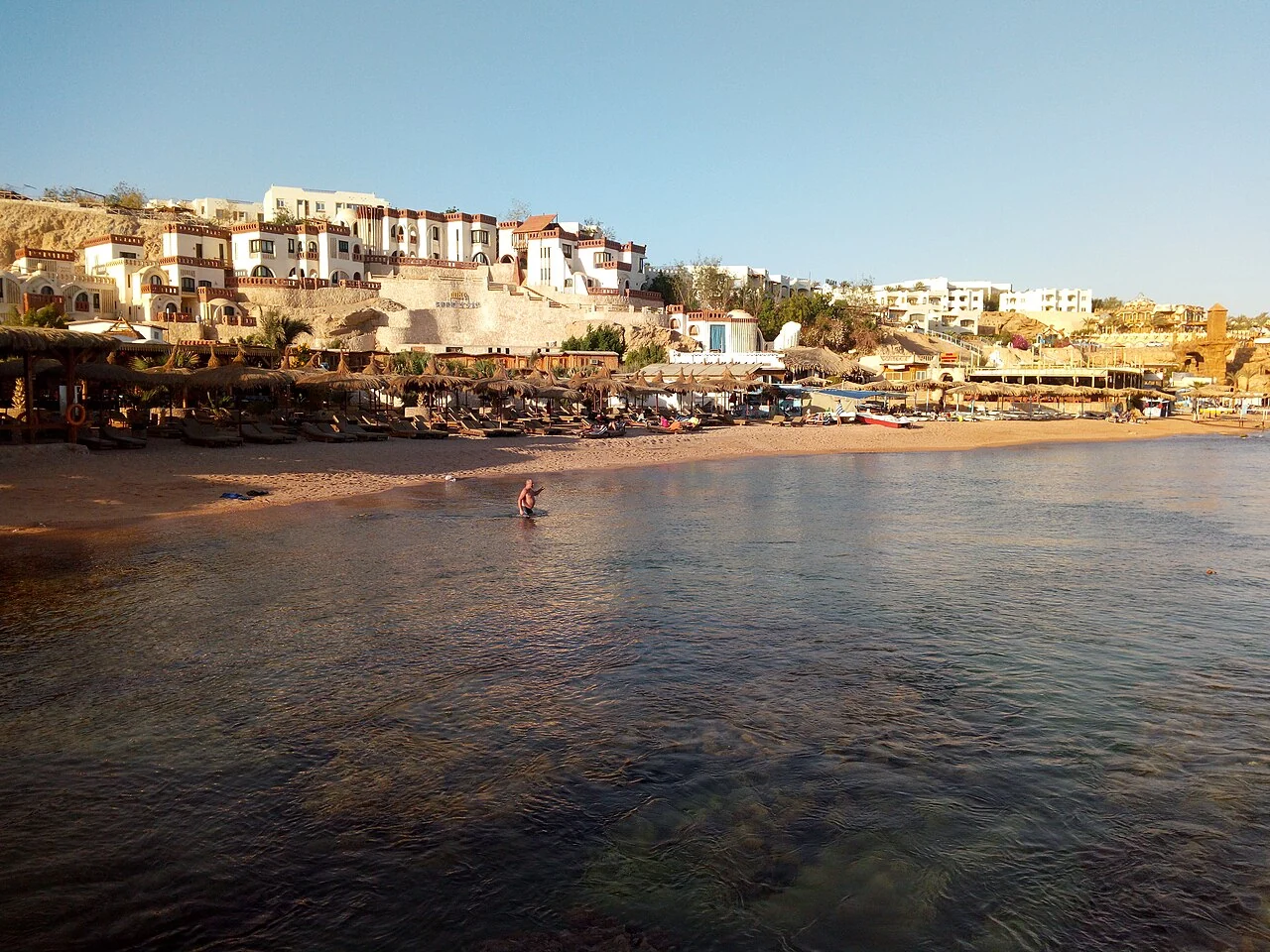
Red Sea tourism has different attractions from inland archaeological travel. Many visitors come for beaches, snorkelling, diving or resort facilities. Some periods that are too hot for long Luxor walking tours may still suit guests planning most activities around a coast or pool, although water conditions, strong wind and sun exposure can affect comfort and safety. There is no sound reason to promise perfect sea conditions in every month or to assume that every reef is accessible from every hotel beach.
The second authentic photograph here depicts a real Sharm el-Sheikh beach in January 2018, photographed by Mr.Rosewater. It is not evidence that conditions across all the Red Sea were identical on that date. For ecology-minded water activities, Kemet Vault’s Abu Dabbab Bay guide covers a specific Marsa Alam setting and responsible wildlife observation. Operators should be consulted for present dive conditions, access rules and protection of reefs.
Alexandria and the Mediterranean coast
Alexandria has a Mediterranean setting distinct from the inland Nile Valley. It may offer cooler conditions than southern Egypt in summer, but winter can feel damp, windy or rainy compared with the country’s arid interior. A beach holiday depends on seasonal shoreline operation and sea conditions, while cultural sites and museums can be visited for much of the year with adjustments to weather. The idea that the Mediterranean coast has the same climate as Aswan is demonstrably false.
Visitors whose main purpose is the city itself should think about walking comfort, coastal winds and indoor alternatives. The Bibliotheca Alexandrina guide explains museum and library ticket types, and the Montaza Gardens article covers the historical coastal landscape. Current venue opening hours and access need to be checked regardless of the season.
Can you visit Egypt in June, July or August?
Yes, many attractions and hotels operate in summer, and some travelers deliberately choose these months. However, Cairo’s WMO average maximum in July is about 34.8°C, while Aswan’s July mean maximum reaches about 41.4°C. These figures illustrate the much greater heat exposure facing long outdoor days in southern Egypt. Vacation planning should balance accommodation, transport, indoor time and the ages and health needs of travelers rather than treating extreme sun as a minor inconvenience.
People intent on visiting ancient monuments in midsummer can plan shorter periods outdoors and check official site hours, but the available alternatives must be verified locally. Avoid claims that a hotel air conditioner eliminates all heat risk during long walks or transfers. Travelers may find more manageable activities along the coast, yet intense sunlight and high surface temperatures still require care. The important point is not that Egypt closes in summer; it is that comfort and risk change substantially with region and activity.
How to choose between October and November
For many culture-focused visitors, both October and November can be reasonable options. Cairo’s WMO norms show an October mean daily maximum around 29.7°C and November around 24.7°C. Aswan’s respective values are approximately 35.7°C and 29°C. The southern difference makes November attractive for long outdoor archaeological days, particularly if a traveler is sensitive to heat. October may still offer enjoyable visits if activities are scheduled appropriately.
A calendar recommendation should not be confused with a promise about airfare or hotel prices. Travel costs fluctuate according to demand, currency, booking terms and holidays. People choosing between the two months should compare an itinerary’s southern destinations before deciding. If most of the trip is Cairo-based or coastal, a different balance may make sense. Specific weather forecasts become more useful as travel dates approach.
What about December, January and February?
These months are often recommended for the Nile Valley because the daytime climate is much more moderate than in summer. In Cairo, January’s long-term average daily high is around 19°C and in Aswan about 22.9°C. Early morning and evening can feel substantially cooler. The shorter days may also require planning around sunlight for photographs and archaeological exploration, especially when the journey includes multiple distant sites.
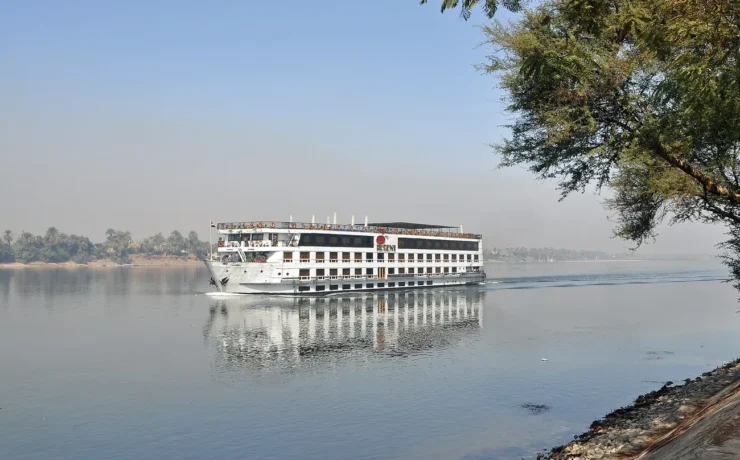
Cold evenings and windy conditions should not be ignored. A traveler who packs only clothes suitable for desert summer conditions may be uncomfortable on a January Nile cruise deck. Historical averages also cannot tell anyone whether a particular week will be unusually busy. The best approach is to select the destinations first, check public holiday and school schedules, verify the operating conditions of sites and use a current short-range weather forecast when the date draws near.
Ramadan, holidays and the visitor’s schedule
Egypt’s cultural and religious calendar can change how some shops, restaurants and services operate, particularly during Ramadan and public holidays. Ramadan dates shift through the Gregorian calendar, so it is misleading to describe it as a permanent January or March event. Public monuments can have their own operating notices, and local practices may differ from a resort itinerary. Respectful visitors should verify the particular year’s dates and services.
Demand can rise during holiday periods even when the weather is pleasant, while certain attractions may have fewer available guided appointments or unusual hours. A practical plan checks both climate and the calendar. Booking conditions should be confirmed directly with providers, especially for travel that depends on connecting flights, cruise departures or multi-day reservations. An online article cannot guarantee that operating hours shown in a cached search result apply to a future holiday.
Building a Cairo–Luxor–Aswan route by season
A multi-city itinerary is where seasonal planning has the greatest effect. Starting in Cairo and traveling south toward Luxor and Aswan exposes the traveler to progressively different heat conditions. Spring and autumn can give flexibility, but during hot months the southern sections may require especially careful scheduling. Winter is often attractive for combining major open-air archaeological sites, though some early mornings can feel cold.
A coherent route should allow realistic travel days and rest time, avoiding the impression that an entire country can be covered through rushed half-hour stops. Kemet Vault’s ten-day itinerary and seven-day Nile heritage route supply separate ideas. This seasonal page deals specifically with choosing a travel window and understanding regional climate, not repeating every monument’s historical description.
The climate data behind the recommendations
The World Meteorological Organization’s World Weather Information Service publishes monthly historical climate information from participating national meteorological services. The Cairo and Aswan tables used here identify their averages as covering 1981–2010. That reference period matters: the figures are climate normals from a defined historic interval, not the most recent thirty-year average and not a forecast for 2027. An apparently precise number without its data period can mislead readers.
Recent warming trends, local weather variation and different station locations can affect real-world travel conditions. The tables are still useful for demonstrating why Aswan is hotter than Cairo in summer and why the southern winter offers comparatively lower afternoon temperatures. A source-based guide should not invent precise monthly visitor counts, hotel prices or rain-free guarantees. The best time to visit Egypt is a decision informed by climate, activities and personal needs rather than an automatic universal date.
Official meteorological and cultural travel sources
Climate values are drawn from the WMO Cairo monthly climatic normals and WMO Aswan monthly climatic normals, supplied by the Egyptian Meteorological Authority with 1981–2010 reference periods. The article distinguishes historical climate from forecasts and does not invent current seasonal flight prices. The two original documentary images were separately photographed at Luxor Temple in 2024 and a Sharm el-Sheikh beach in 2018, with attribution and reuse licence records.