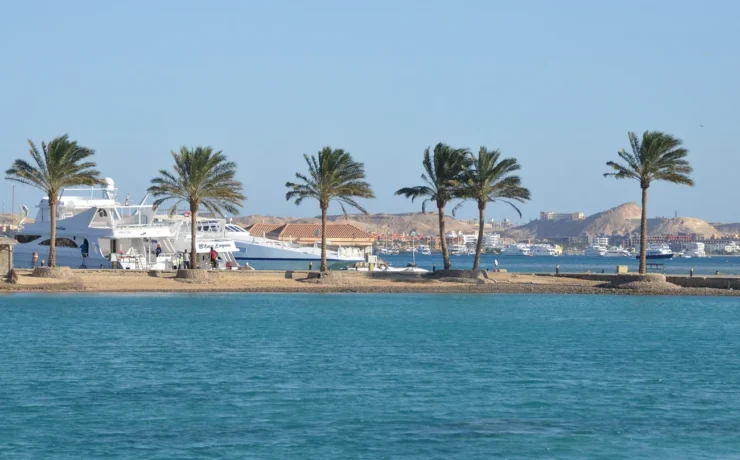
Abu Dabbab Bay near Marsa Alam is a Red Sea beach known for its sandy shoreline, underwater seagrass, coral habitats and the possibility of seeing green sea turtles in the wild. It offers a very different Egyptian holiday experience from Cairo’s museums or Luxor’s temples. But the most useful guide goes beyond the familiar promise of turtles and dugongs. It explains how to plan an enjoyable snorkelling trip, what different excursions include, how marine conditions affect safety and how to avoid disturbing the wildlife that makes the bay special.

Why Abu Dabbab is different from a generic Red Sea resort beach
Abu Dabbab Bay near Marsa Alam is known for a gently curving sandy shoreline, seagrass habitat and opportunities to observe marine life in relatively accessible coastal water. That combination makes the bay popular with visitors who want more than a hotel swimming pool. It also creates a responsibility to protect an ecosystem used by animals that can be disturbed by crowds.
Some online descriptions promise guaranteed close encounters with green sea turtles or even a dugong. Wild animals do not appear on a visitor timetable. Sightings depend on the season, water conditions, visitor behaviour and the animals themselves. A responsible trip values the habitat and treats a sighting as a privilege, not an entitlement purchased with a beach ticket.
The bay is one destination within the wider Marsa Alam coast, not the name of every dive site branded ‘Abu Dabbab’. Nearby numbered reef sites and offshore excursion routes can differ significantly from the protected shallow bay. Confirm the exact embarkation point or beach when choosing an operator.

Where the bay is and how to arrive
Abu Dabbab lies on Egypt’s Red Sea coast north of Marsa Alam town. Visitors commonly arrive from resorts in the Marsa Alam area or from Marsa Alam International Airport via arranged road transport. Distances depend on the hotel and the access point; asking a provider for the actual pickup address and expected transfer route is more useful than a generic mileage figure.
The bay has managed beach access through local operators, and access rules or day-use fees can change. Before committing to a tour, confirm whether the quoted price covers entry to the beach, transportation, snorkelling equipment, lockers or a guide. One low advertised tour price can become misleading when these items are billed separately.
A private car or transfer may be more flexible for a family or a group, but road travel should be arranged with a legitimate transport provider. Avoid planning an unverified public-bus connection directly to a beach gate, particularly for an early morning activity.
The sandy bay and its seagrass meadows
Unlike a coral wall that drops immediately into deep water, parts of Abu Dabbab’s coastal environment include sand and seagrass beds. Seagrass is an actual flowering plant living underwater, not just another name for seaweed. It helps stabilise sediment and provides food and habitat for wildlife, including the green sea turtle.
Where people enter the water can make a difference. Standing on living coral, trampling seagrass, kicking up sediment or using reef-damaging anchoring practices can harm the environment. Enter from designated points and follow the instructions of trained guides. Even strong swimmers should choose conditions appropriate to their ability.
Seagrass meadow, sandy bottom and coral outcrops each host different organisms. A worthwhile visit involves looking carefully at those habitats rather than swimming as far and fast as possible in search of a single celebrity animal.
Green sea turtles: how to watch without disturbing them
Green sea turtles are marine reptiles that can feed on seagrass in the bay. Observing one moving slowly over a meadow can be unforgettable. However, sightings are not guaranteed and turtles must be able to rise to the surface to breathe without being obstructed.
Keep a generous distance, never touch or ride a turtle, and do not surround it with a group of swimmers. Resist the temptation to dive directly onto an animal or chase it for a photograph. A calm encounter observed from a respectful distance is both safer and more likely to remain enjoyable for the turtle.
If a tour promises that a guide will ‘hold’ a turtle still for pictures, choose a different provider. Wildlife protection should be a practical booking criterion, not a line of advertising added to the end of an excursion description.
Dugongs are possible, not a guaranteed attraction
The dugong is a marine mammal associated with seagrass habitats in parts of the Red Sea. It appears prominently in marketing material for Abu Dabbab, sometimes under the name ‘sea cow’. Its occasional presence does not mean every visitor can or should locate it.
Dugongs can be vulnerable to disturbance, boat strikes and habitat degradation. A vessel or snorkelling party should not pursue an animal or attempt to encircle it. When one is observed, any encounter should follow local environmental guidance and allow the animal to move freely.
A guide who admits that a dugong sighting is unpredictable is providing more credible information than an operator selling it as a certainty. Plan your day around the experience of the bay, snorkelling and the sea, not a promise of one rare animal.
Snorkelling conditions and choosing a responsible guide
Snorkelling at Abu Dabbab may be suitable for a range of experience levels when conditions are favourable, but the word ‘easy’ is relative. Wind, visibility, currents, entry terrain and the condition of the swimmer all influence safety. Children and less confident swimmers benefit from appropriate flotation support and direct supervision.
A reputable guide should explain where to enter and leave, how the group will stay together, and what to do if the weather changes. A life jacket does not replace swimming judgment, and photographs of calm water from another season do not guarantee similar conditions on the day.
Ask about group size, equipment fit, cleaning practices and whether the excursion goes into open water or stays within the bay. Clear answers usually indicate a better operation than pressure to book immediately.
Scuba diving and nearby reef sites
Certified scuba divers may encounter a broader range of dive opportunities in the Marsa Alam region, including reef structures beyond the sheltered sandy parts of Abu Dabbab. Those sites can require boat access, different skills and additional safety precautions. Their names are easily confused in online brochures.
Check a dive centre’s operating status, the depth and conditions of the exact site, certification requirements, equipment standards and emergency procedures. Do not assume every activity marketed with the Abu Dabbab name takes place in the same bay. Beginners should seek properly supervised introductory programs rather than borrow an experienced diver’s itinerary.
Local marine protection rules take priority over photographs or anecdotes. Do not collect shells, coral or wildlife, and never touch animals or damage reef surfaces to improve an image.
What to pack for a day at Abu Dabbab
Bring sun protection suited to a hot maritime environment, drinking water, a secure bag for documents and a towel or change of clothing. Well-fitting mask, snorkel and fins can make the experience easier, but rented equipment may be available. A rash guard may reduce the amount of exposed skin while swimming.
A waterproof case is useful only when its seal is tested; losing a phone or camera underwater is an avoidable annoyance and can create litter. Choose floating straps and secure valuables before entering the sea. Avoid bringing unnecessary glass items to the beach.
Environmental choices matter too. Minimise single-use plastic, carry waste back to designated bins and avoid applying products immediately before entering a sensitive reef area where local guidance advises otherwise.
The best season: what can actually be predicted
Marsa Alam receives visitors throughout the year, but seasonal air temperature, water temperature and wind vary. Some people prefer the warmer months for extended swimming while others favour milder air temperatures for mixed beach and sightseeing days. Wind and visibility cannot be predicted from a month name alone.
Travelers with children or specific swimming needs should check a near-date marine forecast and speak with a local qualified operator about conditions. A beach can look inviting from shore and still be unsuitable for a particular swimmer or boat excursion.
Do not base the trip on a claim that dolphins, turtles or dugongs appear at a predictable hour in a particular month. Marine wildlife is mobile, and the most useful planning advice focuses on comfort, visibility, safety and responsible access.
Costs: entry versus a bundled excursion
Abu Dabbab has different ways to visit, including resort-arranged excursions and independently organised day trips. Because access charges, transport, equipment and guided activities are sold in different combinations, a single fixed ‘official ticket price’ would risk misleading travelers.
Ask every provider for an itemised quotation and compare what it includes. Useful line items are transportation, entrance access, snorkelling guide, equipment, insurance if applicable, lunch and tax. A charge that appears cheaper may not be cheaper for someone who needs transport and gear.
Use direct confirmation from the beach operator or the hotel close to travel. Third-party price pages can remain indexed long after their quotes expire.
A realistic half-day plan
Arrive early enough to check the conditions and understand the access rules. After settling in, spend time learning where the sandy entry zone and any protected areas are located. If conditions and ability permit, take a guided snorkel along a recommended route, then return for rest and hydration.
A second shorter water session can be more rewarding than one overlong swim, especially in strong sunshine. A guide may point out seagrass, coral fish or turtles, but the plan remains worthwhile without wildlife appearances. Leave enough time to return equipment, clean up and make the drive back without a rushed schedule.
Families can substitute shore observation and supervised shallow-water activity where conditions permit. The aim is an enjoyable experience, not completing a predetermined checklist of species.
Why marine conservation matters to the visitor experience
The attractions of Abu Dabbab depend on a living ecosystem. Seagrass sustains feeding animals, reef organisms attract snorkellers, and clear coastal water adds to the landscape’s appeal. Repeated disturbance can undermine exactly the qualities that brought travelers to the bay.
Responsible tourism means supporting guides and operators who protect habitat, avoid feeding wildlife, refuse harassment and communicate rules without embarrassment. Conservation is not a decorative claim in a tour description; it is a set of visible practices.
For a wider Egyptian travel route, follow our Grand Egyptian Museum visitor guide and Aswan cultural experience. Those belong to different types of trip and should be planned as separate segments, not confused with a Red Sea beach visit.
Frequently asked questions
Can turtles be seen at Abu Dabbab Bay? Green sea turtles are associated with the seagrass habitat and may be encountered, but sightings are not guaranteed. Visitors should stay at a respectful distance and never touch them.
Is a dugong sighting guaranteed? No. Dugongs are wild and sightings are unpredictable. Choose operators that do not chase or harass marine mammals.
Is Abu Dabbab suitable for beginners? Some zones may be accessible to beginners in suitable conditions, but weather, currents and swimming ability matter. Qualified local guidance is valuable.
Is there one fixed entrance price? Access, transport and guided activity packages vary; check a current itemised quote directly with the provider.
Are all Abu Dabbab dive sites the same beach? No. Nearby reef sites and different excursion labels may refer to distinct locations and access arrangements.
Further reading and photographic record
For wildlife best practice, consult internationally recognised NOAA sea turtle viewing guidance and the IUCN dugong species assessment. For specific access and current local marine restrictions, obtain current advice from the Egyptian environmental authority or the responsible site operator rather than relying on an old blog.
Historical photography for this guide: the featured real photograph of Marsa Murena (Abu Dabbab Bay) was taken by Wusel007 and is licensed CC BY-SA 3.0 (source). A separate 2021 beach photograph by Fenikals was reviewed and is licensed CC0, photographic source. Additional real turtle photography available via Jan Beránek’s Abu Dabbab underwater photograph, under the source page’s licence.