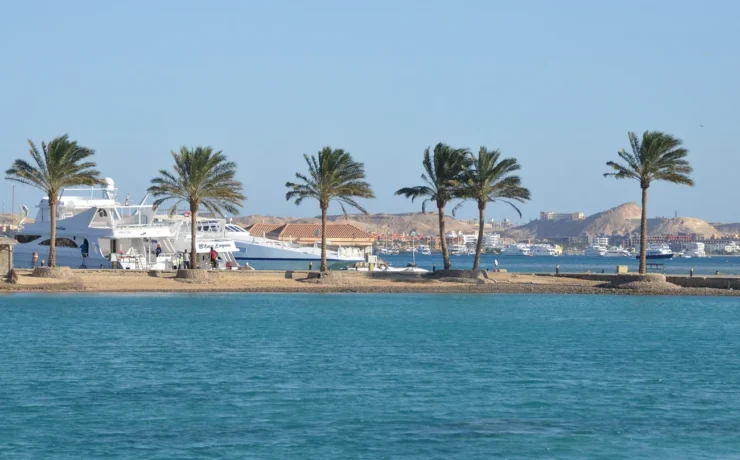
Search for a hotel in Egypt and the name JAZ appears in more places than you might expect: along the Red Sea, on the Mediterranean coast, in Cairo, and even on Nile cruise schedules. It’s tempting to think of JAZ as one familiar resort style copied from destination to destination. In reality, the name belongs to a much wider hospitality business, and the individual hotels can offer very different kinds of stays.
To understand the brand, start with the company behind it. Then look at the actual property being offered, rather than treating every resort, ship and neighboring hotel as interchangeable.
How JAZ fits into the Travco story
JAZ Hotel Group is associated with Travco Group, an Egyptian tourism business founded by Hamed El Chiaty. Travco’s history began with travel operations, but over time it grew to include hotels, river cruising and other services. Its official hotels-and-resorts portfolio sets JAZ within that wider structure.
The distinction between the hotel group and the travel company matters. A visitor can book a JAZ hotel without buying a Travco-organized guided tour. A Travco-arranged trip, in turn, may use accommodation selected for that itinerary. Our Travco company history follows the travel business; this page is about how to navigate the JAZ hotel portfolio.
It is also better to talk about a hotel being operated or marketed under a brand than to assume every building carrying that brand has identical legal ownership. Management structures, partnerships and property names can change. The current company directory is the most useful starting point for identifying the actual operator and hotel.
One brand, several very different Egyptian destinations
The JAZ Hotel Group’s official destination directory lists Egyptian locations from Hurghada and Madinat Makadi to Sharm El Sheikh, Marsa Alam, Dahab and Almaza Bay. It also includes places such as Cairo, Luxor, Alexandria and Ain El Sokhna. The portfolio stretches beyond Egypt, too, with destinations in other countries. Egyptian business roots do not mean every JAZ-managed property stands on Egyptian soil.
These locations are not merely names on a map. A Red Sea beach stay around Marsa Alam serves a different purpose from a hotel in Cairo used for meetings and museums. The Mediterranean resorts near Almaza Bay belong to another seasonal and geographic setting. A river-cruise cabin from Luxor is not a resort room with an extra view.
One useful approach is to decide what kind of trip you’re taking before looking at the room galleries. Geography narrows the field more effectively than a general claim about the brand’s luxury or reputation.
JAZ Aquamarine and JAZ Bluemarine: why names matter
Hurghada illustrates the problem of similar hotel names. The JAZ directory lists both JAZ Aquamarine and JAZ Bluemarine. They are related by brand and location, but their exact accommodation, rules and amenities must be checked separately. An agent may describe either as a JAZ stay in Hurghada while the room type and access arrangements are different.
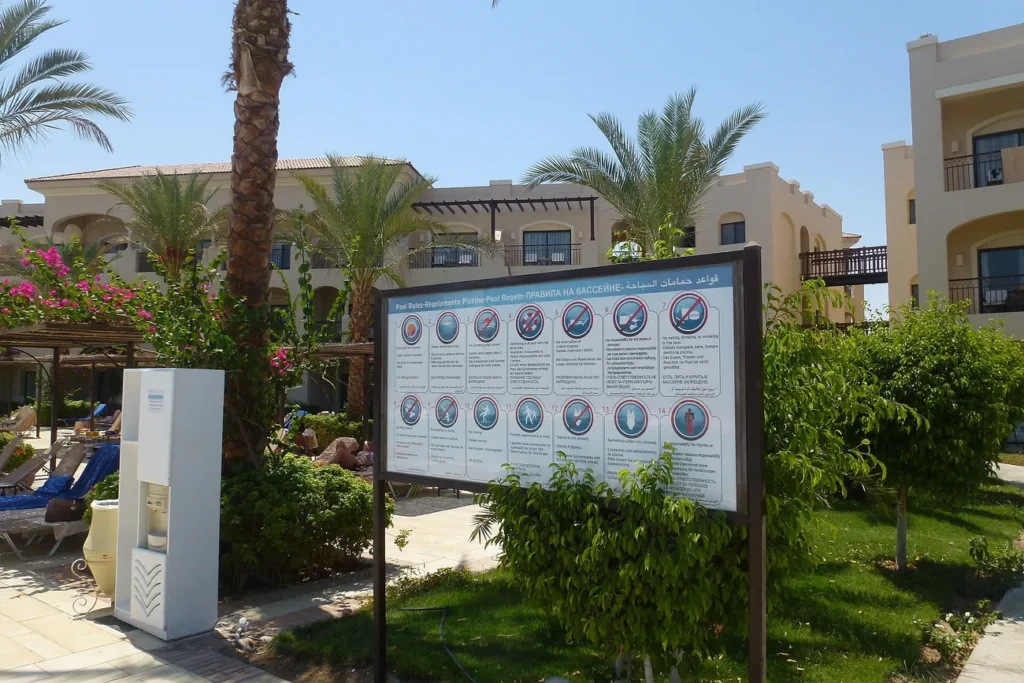
Check the full hotel name on the reservation, not only the word JAZ. The operator’s property factsheet directory is particularly useful because it separates named hotels, destination, accommodation type and brand. Factsheets may be revised and older versions can circulate, so look for the document relevant to the date of your booking.

Some regional images can be beautiful without answering whether the beach is accessible from your room or how the hotel’s dining plan works today. These older documentary photographs give context; property-specific evidence should come from the current named property listing.
Why Madinat Makadi deserves its own decision
JAZ has multiple properties around Madinat Makadi, an established resort district south of Hurghada. The names can sound similar while the layouts, guest capacity and facilities differ. The group’s directory includes JAZ Makadina, JAZ Aquaviva and other nearby properties.
For instance, our JAZ Makadina guide examines that specific resort’s beach, room categories and booking questions. It should not be read as a description of every JAZ hotel in Makadi Bay. The same logic applies to larger complexes and neighboring hotels: a facility visible from one property may not be included in every guest’s rate.
Travelers who want a waterpark, quieter atmosphere, a sea-view room or a resort with easy shore access should compare actual property factsheets and current terms, not just the corporate logo.
JAZ isn’t only about beach hotels
One of the more interesting details in the operator’s factsheets directory is the range of accommodation types. Alongside hotels, it lists Nile cruise vessels and dahabiyas, including river journeys from Luxor. That is a different travel experience from a fixed coastal resort, with schedules and cabin arrangements that need independent confirmation.
For a sailing holiday, the vessel’s name, departure city, number of nights, cabin and excursions become more important than the usual hotel questions. Our Nile cruise versus felucca comparison explains why these different types of river travel shouldn’t be bundled into one generic recommendation.
Group-wide websites also list destinations outside Egypt. The portfolio changes, so this article deliberately avoids a fixed total of hotels or rooms that might be obsolete after the next opening, rebranding or management change.
How to compare a JAZ booking without getting lost in the brand
| What you want | What to verify at the named property |
|---|---|
| A Red Sea beach holiday | Destination, beach entry, room category, transfers, meals and marine activity rules |
| A family stay | Age limits, child occupancy, bed setup and included family facilities |
| A city hotel | Exact address, transport needs, accessibility and room terms |
| A Nile cruise | Actual ship or dahabiya, embarkation, cabin, itinerary and shore visits |
| A comparable price | Same dates, room category, board basis, taxes and cancellation terms |
There is no honest universal answer to ‘Which JAZ hotel is the best?’ without knowing the destination, room requirements and dates. Ratings and marketing photographs can guide a shortlist, but they cannot substitute for the actual contract.
What makes the group worth researching
The JAZ story offers a useful window into the development of Egyptian-founded hospitality from travel companies into a diverse collection of hotels and cruises. But a group profile becomes valuable when it helps readers understand the structure behind the names and find their way to a real decision.
Start with the public JAZ destination pages, then match the chosen property to the operator’s current factsheet. For a broader side-by-side look at Egyptian-founded companies, see our comparison of JAZ, Pickalbatros and SUNRISE, which addresses the differences between groups rather than the identity of one company.
The useful takeaway is simple: JAZ is a broad hotel business, not a single type of room. Once you identify the exact property, the rest of the booking becomes much easier to understand.