Egypt’s travel industry is full of names that sound familiar even when it isn’t obvious what each company actually does. Travco is a useful example. The company began as an Egyptian travel business in 1979, then grew into a group with interests in hotels, Nile cruises, transport and other activities. That history is more interesting, and more useful to a traveler, than the vague assurance that a large company can organize a perfect holiday.
What started under the name Travco Travel is not the same thing as every hotel, ship or package that now sits somewhere within the wider Travco Group. Knowing the distinction makes it easier to research the company and understand who is responsible for a booking.
From a travel office to a much larger group
The company’s own leadership biography identifies Hamed El Chiaty as the founder of Travco Travel Company of Egypt in 1979. A published corporate history records milestones that followed: a small transport fleet was acquired in 1980, an airline ticketing branch opened in 1981 and service branches followed in Luxor and Aswan in 1982.
Those are company-reported dates, not an independent account of every operation. They nevertheless show a logical development. A company arranging trips would soon have reason to handle transport and ticketing as well as local itineraries. The group’s timeline also dates its first Nile cruise vessel to 1986, and the establishment of the JAZ hotel brand to 2006. These distinct ventures later created a wider business structure than the original travel agency.
For a visitor planning an Egypt trip, the practical lesson is simple: a brand’s history may help identify the organization, but it doesn’t tell you which legal company is selling a particular flight, room or guided tour today.
Why the Travco name can mean several things
The Travco Group corporate site describes activities in travel and tourism, hospitality, aviation and transportation, along with other sectors. Its subsidiary directory is a better place to investigate an unfamiliar company name than guessing from the shared Travco brand.
That distinction also applies to JAZ hotels. A traveler booking a room at a JAZ-branded resort is dealing with that property’s reservation terms, not automatically buying a Travco-arranged tour. Conversely, a package sold by a tour operator may include accommodation at a hotel outside the wider group. Ask about the actual contracting entity and each component of the service.
Our independent JAZ Makadina hotel guide is concerned with a specific property’s rooms and facilities. This page follows the travel-company side of the story. The two should complement each other rather than repeat a generic list of hotel booking warnings.
What incoming travel operations might involve
An incoming travel company works with visitors arriving in the country. For an itinerary through Cairo, Luxor and Aswan, that can involve airport pickups, guides, accommodation, road transfers, flights or Nile cruising. The exact package depends on what the company agrees to provide, and many services may be carried out by separate suppliers.
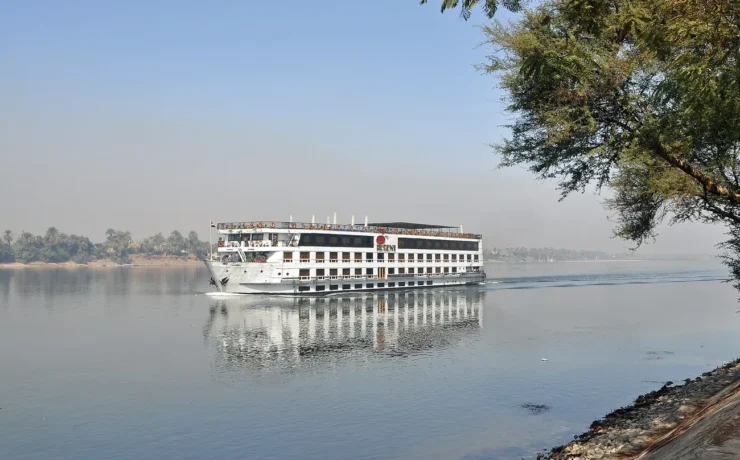
It’s easy to imagine a Nile cruise as one seamless product, but the real journey has several parts: vessel identity, boarding location, published route, cabin category and optional excursions. An operator’s brochure may not be enough to establish which ship will be used on a particular date. Ask for the confirmed vessel, the company responsible for the sailing and what happens if the ship is substituted.
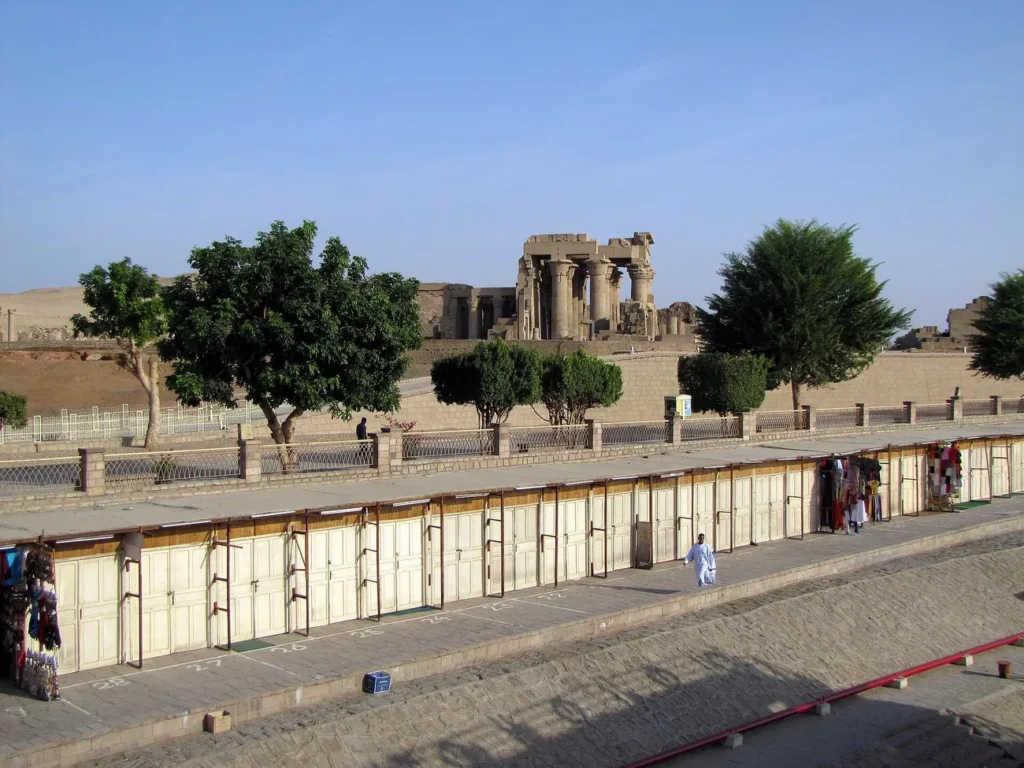
Transport on land raises different questions. Identify the operator of the vehicle, the pickup time, luggage arrangements and any mobility needs. For a guide-led archaeological excursion, confirm the language and whether the entry tickets and the licensed guide are actually included. A detailed itinerary should read like an agreement between identifiable people, not a list of famous temples.
A company timeline worth reading carefully
| Year | Company-reported milestone | Why it matters |
|---|---|---|
| 1979 | Travco Travel established in Egypt by Hamed El Chiaty | Origin of the travel business |
| 1981 | Airline ticketing operations developed | Expansion beyond local excursions |
| 1982 | Service branches opened in Luxor and Aswan | Presence in major heritage destinations |
| 1986 | First Nile cruise ship reported | Move into river travel |
| 2006 | JAZ brand created | Hotel identity distinct from the original travel service |
The dated entries are summarized from Travco Group’s own corporate portfolio. Corporate materials help explain how a business describes its development; they do not independently verify the status of every current service or booking.
How to check you’re talking to the right company
Start from the group’s own website and follow its links to the relevant subsidiary. When contacting someone who claims to be acting for Travco Travel, confirm the legal business name and the domain or telephone number used for correspondence. Don’t rely on a logo copied into a social media post or an unexpected request to transfer money to a personal account.
For an Egyptian tourism business, official licensing questions belong with the Ministry of Tourism and Antiquities. Ask the provider for the appropriate licence information and verify it through suitable official channels where possible. A corporate timeline or award is not a substitute for the actual booking contract.
Read the cancellation terms and the list of suppliers before paying. If the package combines a flight, hotel and river cruise, find out who has the authority to issue a refund or amend each part. The general Egypt booking checklist explains those checks in detail; repeating it in full here would hide what is distinctive about Travco’s business history.

Is a well-known name enough to choose a tour?
Recognition can make it easier to find a company’s official history and contact details. It doesn’t guarantee the weather, hotel room, cruise ship or guide promised in a particular holiday quote. Nor should a review of one subsidiary be treated as evidence about every other company in a diversified group.
The sensible way to use this profile is to understand the organization’s structure, then examine the specific service offered for your dates. For a visitor interested in the antiquities themselves, our Luxor and Aswan cultural itinerary supplies a different kind of planning aid: the heritage stops and pacing that a tour proposal should be able to accommodate.

Travco’s documented history makes a valuable case study in how Egyptian tourism companies expanded from travel operations into large groups. For an actual purchase, though, the question isn’t how big the group is. It’s whether the named seller can deliver the precise trip in the written agreement.