What is Ras Mohammed National Park? Ras Mohammed is an Egyptian protected marine and coastal area at the southern end of the Sinai Peninsula, declared in 1983. Its coral reefs, fish, turtles, mangroves and desert habitats make it ecologically different from an ordinary resort beach. Visits are subject to national-park rules, marine conditions and permitted access zones.
This guide explains the real ecology, responsible snorkeling choices and practical questions to verify before a Sharm el-Sheikh excursion. No speculative 2026 fees or wildlife guarantees are presented as facts.
What makes Ras Mohammed different from an ordinary beach
Ras Mohammed National Park occupies an exceptional marine and coastal landscape at the southern end of the Sinai Peninsula, where the Gulf of Suez and the Gulf of Aqaba meet. It is a protected area, not simply a commercial beach with a catchy excursion name. Egypt’s Environmental Affairs Agency identifies its declaration as a nature reserve in 1983 and describes coral communities, fish, threatened sea turtles, mangroves and terrestrial habitats. That official description is the starting point for understanding a visit. People come to enjoy the sea and scenery, but the very living organisms they want to see can be damaged by careless behaviour. The park has its own management needs and site-specific access rules, which are not interchangeable with the rules of a hotel beach elsewhere in Sharm el-Sheikh. This guide focuses on ecological context and visitor decisions, leaving ticket prices, boat availability and restricted zones to official checks close to travel. A protected landscape cannot be reduced to an advertisement promising an unlimited underwater playground.
The geography of two gulfs and a narrow coastal point
The park sits at a geographically distinctive point of the Red Sea system. Egypt’s environmental authority describes the convergence of the Gulf of Suez and Gulf of Aqaba, a position that helps explain the area’s varied reef edges, shore habitats and marine conditions. A peninsula creates different exposures to winds and currents depending on the side visited. An appealing view from shore does not establish that the water below is suitable for beginner snorkeling on the day. Currents, waves, boat activity and entry conditions must be assessed locally. The setting also includes dry terrestrial habitats where birds and other wildlife may be found. Coastal ecosystems are connected, so land-based litter and visitor traffic can affect nearby marine life. A map should distinguish the national park from the whole of the Sharm el-Sheikh holiday region. Being on a Red Sea holiday does not mean every reef in the area lies within this reserve or follows identical access arrangements.
Why 1983 matters in Egypt’s conservation history
Ras Mohammed is historically important as one of the first major protected areas declared under Egypt’s modern nature-protection system. The Egyptian Environmental Affairs Agency identifies 1983 as the year of its official designation. That date relates to legal protection, not the moment when reefs, fish or coastal landscapes came into existence. Marine ecosystems were already functioning long before the state created an administrative boundary. Conservation status is intended to regulate human activity and help preserve ecological value over time. Official documents have recorded different figures for the park’s total area because of changes in boundaries, methods and inclusion of marine zones. The responsible visitor guide therefore avoids presenting a single unqualified square-kilometre number from conflicting summaries. The legal foundation is a firmer introductory fact than a promotional statistic about being the biggest or the most spectacular park in the world. Understanding how protected areas are managed also helps explain why some attractive zones are temporarily or permanently restricted.
Coral reefs are living animals, not underwater stones
A coral reef can resemble a submerged garden, but its reef-building organisms are animals. NOAA explains that corals are made of polyps and often live in close association with microscopic algae that supply part of their energy through photosynthesis. This biological partnership helps make clear, sunlit reef environments especially important. Coral skeletons can form rigid structures, but the living surface is fragile. Touching the reef, placing a fin on it or standing on a coral head can injure the living colony and break structures that developed over many years. A photograph of brightly coloured coral is not an invitation to collect a sample. Visitors should plan their swimming style, equipment and entry point to maintain enough distance from the reef. A guide who treats contact as harmless because the coral appears hard is giving dangerous advice. Conservation starts with recognising that the underwater scenery is an ecosystem with living inhabitants and ecological relationships.
What reef fish and sea turtles reveal about the ecosystem
The Egyptian Environmental Affairs Agency lists colourful marine fish and threatened sea turtles among the significant wildlife associated with Ras Mohammed. These animals are part of a wider ecological network involving coral habitat, seagrass and coastal food webs. Seeing a turtle or particular fish is never guaranteed on a specific excursion. Wildlife can move, dive, hide or avoid crowded places, while seasonal and daily conditions change visibility. Ethical encounters are judged by whether the animals can behave naturally, not by how close a camera can approach. NOAA notes that reefs support many forms of marine life, making the reef itself worth observing even on a day without a charismatic large animal. Do not chase, corner, touch or feed wildlife for a photograph. Those actions can disturb animals and alter behaviour. A responsible snorkeling trip offers the possibility of observation, not the contractual delivery of a turtle beside a tourist’s face.
Mangroves are more than an unusual photo stop
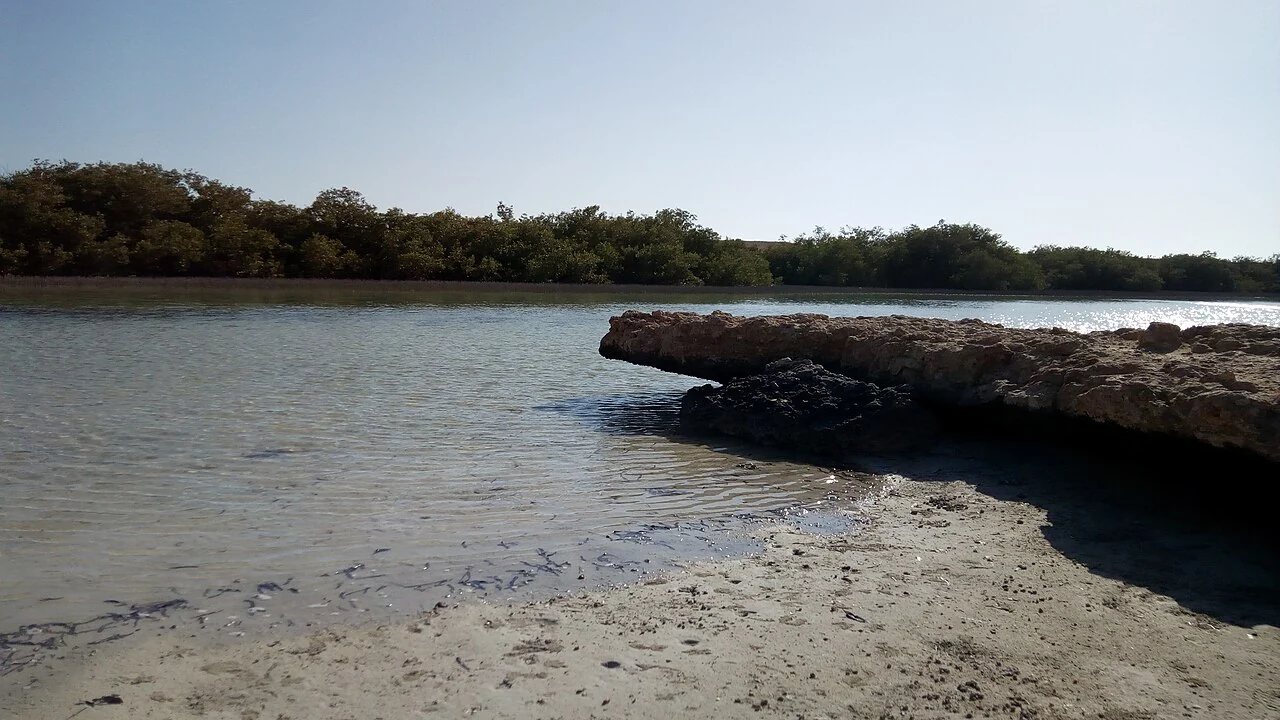
Ras Mohammed’s mangrove channel is singled out in Egypt’s official protected-area description. Mangrove plants are adapted to challenging salty coastal environments and create habitat structure within tidal margins. A narrow channel can look modest compared with an immense coral wall, but its ecological interest is different. It is not appropriate to treat mangrove roots as a playground or to enter restricted areas to improve a photograph. Their shore position illustrates how marine and terrestrial conservation overlap. The natural system includes sediment, water movement, plants and wildlife that may be affected by trampling or litter. Visitors interested in natural history may find the mangrove landscape just as memorable as an underwater reef. The key is to observe from permitted routes, follow park signage and avoid claims that every visitor can freely walk inside the channel. A coastline’s importance is not measured solely by how striking it looks in an aerial photograph.
Coast and desert: the lesser-known half of the visit
The Environmental Affairs Agency’s park profile describes important terrestrial habitats in addition to reefs. Birds, small mammals, reptiles and other organisms inhabit the arid landscape, and the protected area includes geological and coastal features not visible in a snorkeling photograph. This is useful for families or visitors who do not wish to spend the whole day in the water. However, the presence of wildlife in the wider reserve is not a guarantee of seeing a rare Nubian ibex or a particular bird on a short daytime excursion. Many animals are difficult to observe and require minimal disturbance. A responsible land visit avoids leaving marked roads or paths where access is restricted and does not feed wildlife. The desert surface is not empty just because plants are sparse. Tracks, nesting areas and fragile habitats can be affected by a car driven off a permitted route. The combination of coast, desert and marine ecosystems is what makes a national-park visit distinct from a standard beach excursion.
Boat trips versus land-based access from Sharm el-Sheikh
Some tourists reach the Ras Mohammed area through organised boats, while others choose a land-based visit when permitted. These are not interchangeable experiences. A boat excursion may focus on offshore snorkeling or diving areas selected by the operator and subject to park rules, weather and other marine traffic. A land-based route can emphasise scenery, shore habitats and certain officially accessible entry locations. A particular reef named in an operator’s marketing is not guaranteed to be visited if conditions require a different plan. Confirm where the excursion actually enters the protected area, whether park charges are included, the equipment supplied and the operator’s safety supervision. The park may impose different restrictions on different activities and zones. Do not infer from one successful trip report that every location is open to all boats or swimmers on every date. A meaningful comparison between operators starts with permits, safety and environmental practices rather than a promise of an exaggerated number of stops.
Snorkeling skill, currents and basic water safety
A novice swimmer should not be encouraged to enter a current-exposed reef simply because promotional photographs look calm. Ask an appropriately qualified operator for a clear briefing about the specific site, the day’s conditions and what support is provided in the water. Wear correctly fitted equipment and use a flotation device when suitable to your ability and local rules. A snorkeler who becomes tired or panics may kick the reef or create a dangerous situation for companions. Group size, supervision and emergency planning matter more than the brightest underwater photograph. Do not attempt to keep up with experienced divers in an area that is beyond your skill. Weather can alter safe routes, and cancellation for safety reasons is preferable to forcing a schedule. This article is not a substitute for instruction from certified guides or for medical advice about personal fitness to swim. The purpose is to encourage informed decisions that protect both people and coral habitat.
How to avoid accidental damage to coral
NOAA and the United Nations Environment Programme both emphasise avoiding physical contact with reefs. Do not stand on coral, hold it for balance or allow a camera rig to scrape it. Keep fins and loose equipment controlled; a diver or snorkeler should understand how to maintain enough space to avoid collision. Boats should use approved moorings rather than dropping anchors onto coral where local rules prohibit that practice. Taking shells, coral fragments or living organisms as souvenirs undermines the protective purpose of the park. Never throw food into the water to attract fish. These measures are not merely polite travel habits; physical damage and behavioural disturbance can accumulate when many visitors repeat them. Operators that provide a genuine conservation briefing and follow authorised mooring practices offer a better environmental experience than companies encouraging close-contact photographs. Ask questions before booking, and follow current park-management instructions even when an online tour listing suggests something different.
Photography without staging wildlife encounters
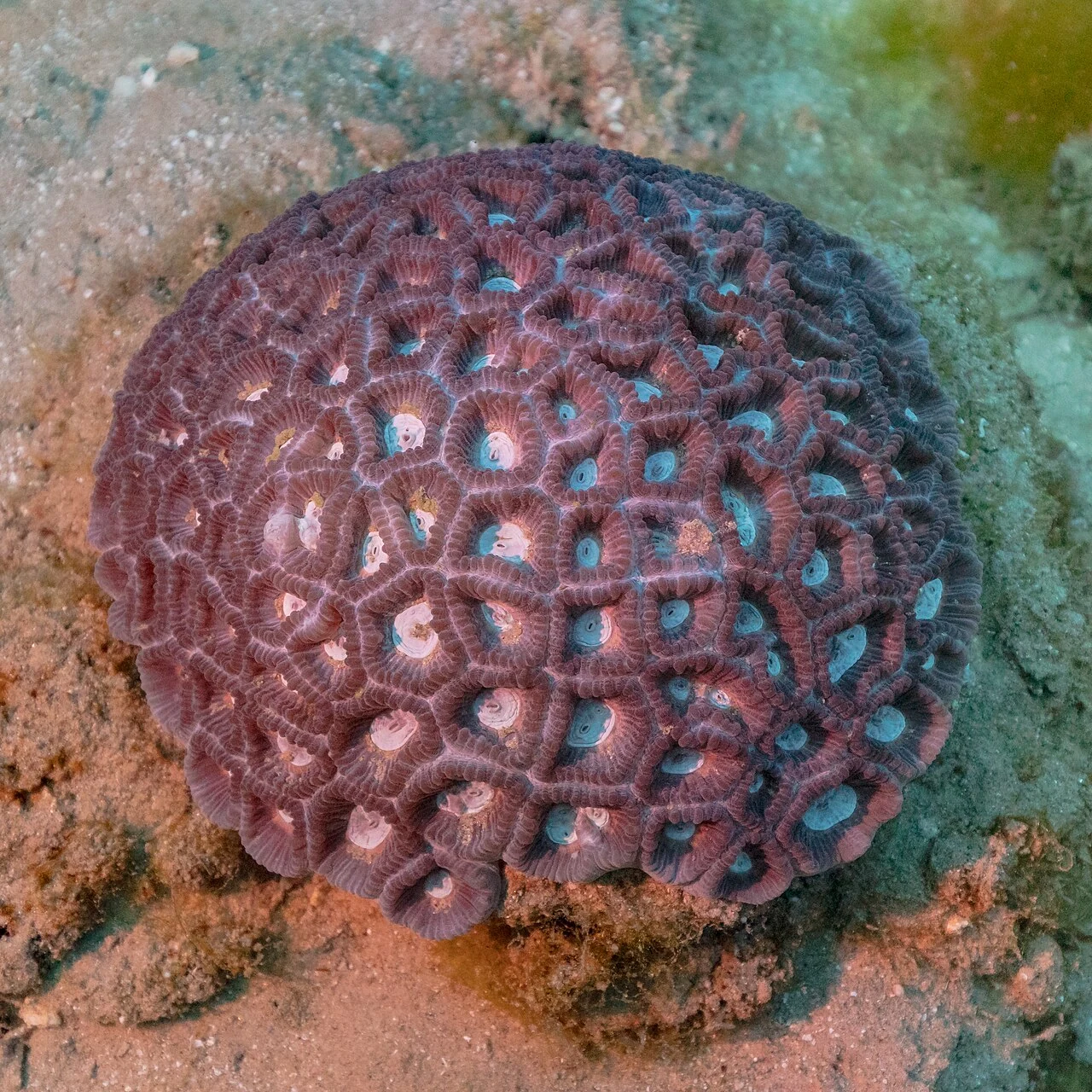
The real underwater photograph accompanying this article records a coral colony in Ras Mohammed National Park in March 2022; the mangrove image documents a separate coastal habitat. Neither photo was generated from a fantasy travel prompt or borrowed without attribution. A compelling image need not show a diver holding a turtle or resting on a coral head. Maintain distance from wildlife and avoid flash or equipment use that disturbs animals. Underwater housings and accessories should be secured so they cannot drag over coral or fall onto the reef. The colour of photographs can vary with depth, light and post-processing; a single image does not promise identical visibility on every dive. A scientific or documentary caption should identify where the image was taken and the source record, not present an uncertain species as fact. Preserve the photographer’s author credit and the applicable Creative Commons licence when reusing the photo.
When to visit: weather matters more than one perfect month
Red Sea travel is possible in different seasons, but the conditions a snorkeler experiences depend on wind, sea state and the exact site as well as air temperature. A warm day ashore does not automatically produce calm water at an exposed reef. Some visitors prioritise comfortable outdoor sightseeing, while others are more interested in marine conditions and water temperature. There is no honest universal best day for every swimmer. Compare forecasts with advice from reputable local operators and park managers, and be prepared to change the plan when the sea is unsuitable. Our Egypt seasons comparison explains broader regional climate choices, but it does not replace a current marine assessment. Good planning also accounts for sun protection, drinking water, rest and transport from accommodation. Beach and boat operators may have different departure conditions, so a reservation must identify the specific service and what happens if weather interrupts it.
Tickets, permits and why a precise 2026 price is omitted
Egypt’s Environmental Affairs Agency maintains official protected-area information and visitor-fee pages, but those pages may be revised as rules and administrative arrangements change. A fee quoted in an old forum post or tour advert is not necessarily the current park charge, nor does it establish whether an operator has included the fee in the package price. Before booking, ask the operator to state park entry charges separately from transport, snorkeling equipment, food and guiding. For independent access, consult the authority directly about permitted roads, visiting conditions and any advance arrangements. The appropriate amount and payment process may vary by visitor category or type of activity. This guide does not invent a fixed adult, child or vehicle tariff for November 2026. The goal is to help visitors recognise what requires verification, not to repeat an impressive-looking table whose figures may already be obsolete. A confirmed, legal visit matters more than a supposedly cheap excursion.
How the park compares with another Red Sea turtle destination
Ras Mohammed and Abu Dabbab Bay near Marsa Alam both attract interest in Red Sea marine wildlife, but they are distinct locations with different access questions, local regulations and visitor experiences. Our Abu Dabbab snorkeling and turtle guide concerns a different bay in the southern Red Sea, not a stop inside Ras Mohammed National Park. A travel writer should never merge the two places simply because both names appear beside photographs of sea turtles. Travelers choosing accommodation in Sharm el-Sheikh face different transport decisions from those staying near Marsa Alam. The comparison is valuable for choosing the type of experience and geography that fits an itinerary. It is not a species sighting guarantee. For a broader look at coastal and inland travel choices, read the Egypt ten-day cultural itinerary, which intentionally does not treat every beach excursion as a mandatory ancient-history activity.
Research sources and image provenance
The reserve’s official status, landscapes and described wildlife are drawn from the Egyptian Environmental Affairs Agency’s protected-area profile and its protected areas guidance. Reef biology is checked against the US National Ocean Service’s coral biology resource, with responsible snorkeling practices supported by the UN Environment Programme’s marine visitor guidance. These sources document different aspects of the subject; a scientific explanation is not a substitute for Egyptian park-management rules. The actual images are credited to Diego Delso for a 2022 Ras Muhammad coral photograph and Yusuf Saad Eldin Akl for a Ras Mohammed mangrove photograph, both CC BY-SA 4.0 under separately verifiable Commons records. The guide is a dated educational visitor resource, not an assertion that every beach, reef zone or boat schedule is currently accessible.