The Persian conquest of Egypt in 525 BCE ended the independence of the Saite monarchy and brought the Nile Valley within the Achaemenid empire. But the story is larger than a battle near Pelusium: it concerns imperial administration, Egyptian religious continuity, multilingual royal objects, scribal life and the eventual restoration of independence. This article separates what the evidence actually documents from later dramatic stories about the conquerors.
Persian Egypt: key dates and questions
1. Before the conquest: Egypt’s Twenty-Sixth Dynasty
The rulers of the Saite Twenty-Sixth Dynasty had built a substantial Egyptian state with Mediterranean contacts before Persia intervened. Psamtik III succeeded Amasis II amid a dangerous regional imbalance: the Achaemenid empire had expanded under Cyrus and now under Cambyses II. Egypt was politically independent, but alliances and military preparations could not guarantee that its frontier would hold.
A study of conquest should start with the Egypt that existed before the change of ruler. The Persian conquest was not the beginning of all Egyptian history, nor did it erase local institutions. Its importance lies in the loss of independent supreme rule and the incorporation of Egypt into a much larger empire.
2. Cambyses II and the campaign of 525 BCE
Cambyses II defeated Egyptian forces in 525 BCE and took control of Egypt, which became part of the Achaemenid realm. Classical histories identify fighting around Pelusium, a strategic eastern Delta approach, but many vivid details in later retellings need careful treatment. Popular pictures of cats used as shields, for example, should never be presented as a securely excavated battlefield fact.
Psamtik III’s defeat is accepted as the end of Saite independence. The specific circumstances of his fate and the most colorful descriptions of the campaign depend heavily on external literary traditions that may reflect hostile portrayals or later storytelling.
3. Pelusium and Egypt’s eastern approaches
Pelusium is important because an eastern Delta gateway offered access to the Nile Valley for forces arriving through Sinai. Fortifications, access to water, routes and communication would have mattered to both attackers and defenders. Ancient descriptions of the battle and the later capture of Memphis should be separated from modern assumptions about the exact movement of every regiment.
A battlefield near one identified place does not mean Persia controlled the entire valley in the same instant. Military conquest leads into the longer work of establishing authority, collecting revenue and negotiating with regional institutions.
4. The Twenty-Seventh Dynasty under Persian kings
Egypt’s first Persian period is usually listed as the Twenty-Seventh Dynasty, conventionally dated 525–404 BCE. This is a dynastic label for a period of foreign imperial rule, not evidence that every Persian monarch spent his reign living in Egypt. Kingship could be expressed through Egyptian forms while political decision-making remained connected to the wider Achaemenid court.
The terminology is useful but demands nuance. Persia was a major imperial structure encompassing diverse populations; an Egyptian object bearing an Achaemenid king’s name was not automatically made by an ethnically Persian artisan.

5. Satraps, taxation and administration
Persian imperial systems used officials to govern vast regions. In Egypt, satrapal or provincial arrangements interacted with established Egyptian institutions, records and priesthoods. What individual communities experienced depended on local obligations and the officials who implemented orders, not merely on an emperor’s distant title.
Taxes and state demands were central features of rule, but a single model of uniform oppression is as misleading as claiming the transition was frictionless. Papyri, inscriptions and administrative contexts offer finer evidence for how government functioned in different districts.
6. Darius I and Egyptian royal imagery
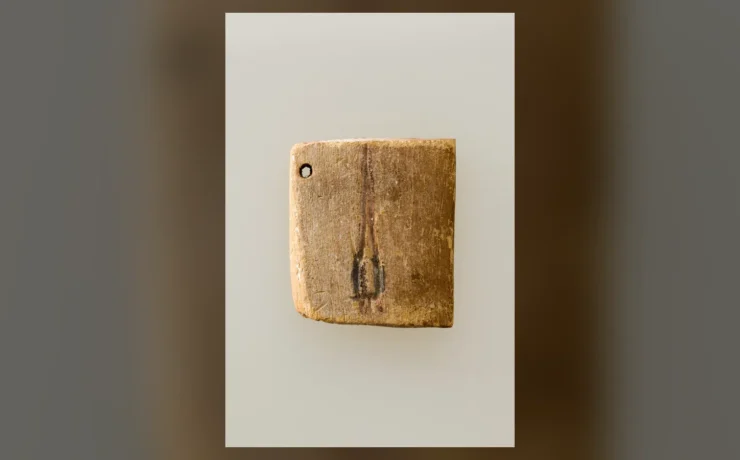
Darius I ruled Egypt within the imperial framework and could appear in relation to Egyptian religious symbols and titulary. The Met’s menat counterpoise dated to his reign is especially useful because it documents an Egyptian-form object assigned to a Persian monarch. The material and religious function show how the interaction of foreign authority and local traditions can appear in a small museum artifact.
That object does not depict the Battle of Pelusium or prove a particular decree. It belongs to the study of royal representation and ritual material culture after the conquest. The provenance and museum date must accompany its photograph.
7. The multilingual world of Xerxes
An extraordinary travertine jar in The Met bears the royal name of Xerxes I in Egyptian, Old Persian, Elamite and Neo-Babylonian. It gives students a direct material illustration of an empire in which different languages and writing systems could coexist in royal expression. This is more useful for explaining imperial administration than inventing a battle scene with soldiers who were never photographed.
The inscription’s four languages do not establish that every resident of Egypt spoke all four. They reflect a multilingual royal and imperial context, and their scripts have different conventions. The catalog record is precise about the object’s materials, date and reading.

8. Egyptian temples and religious continuity
Persian kings and administrators ruled a society with longstanding temple institutions, priesthoods and religious calendars. Temples did not vanish in 525 BCE. Their relations with government could involve support, conflict or changes in privileges at different moments. Broad claims that one king either loved or hated all Egyptian religion usually rely on selective sources.
Religious artifacts and hieratic texts from the Persian period document continuity in written practices without proving that every institution experienced identical conditions. A funerary spell and a tax text answer different historical questions.
9. Scribes at work under imperial government
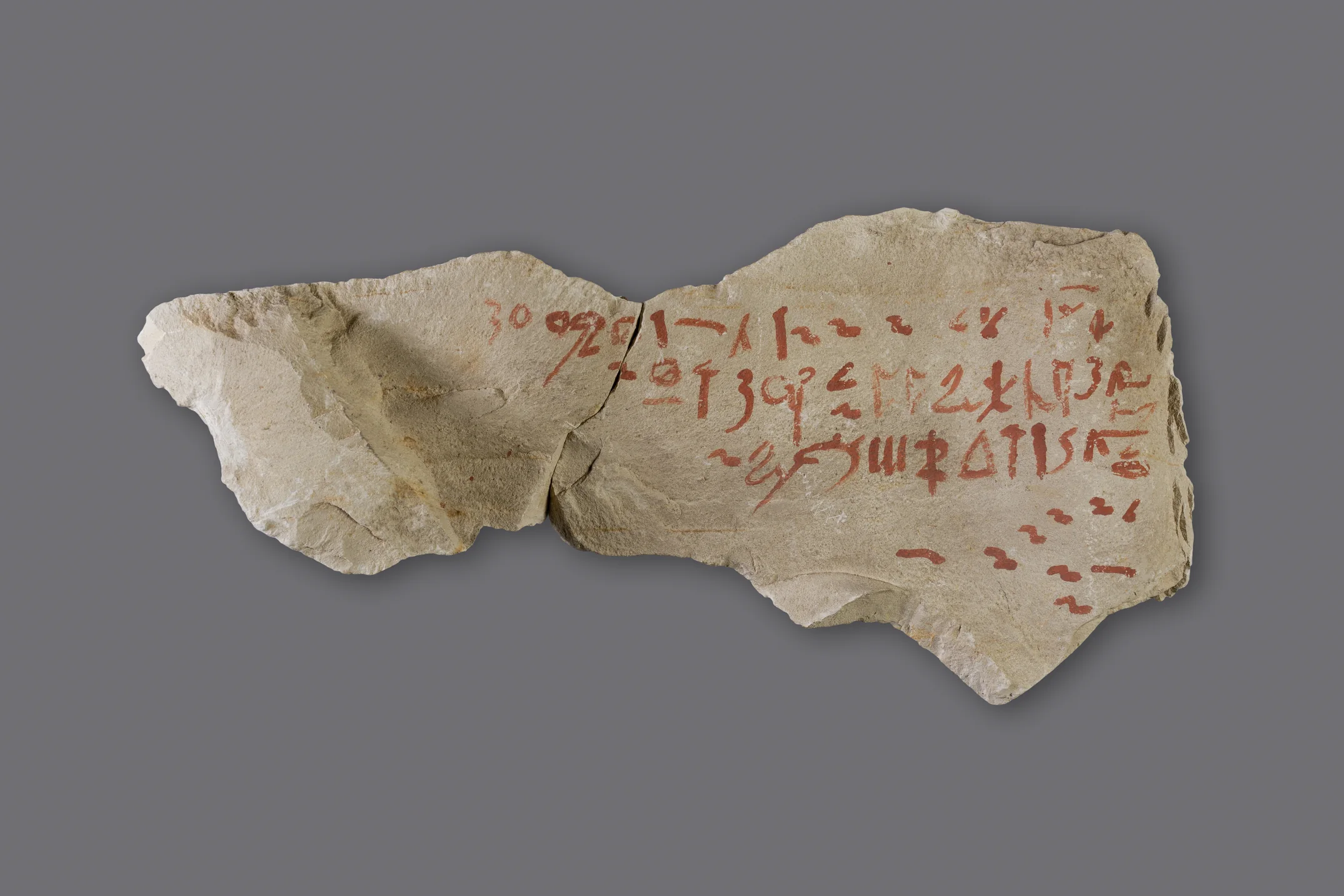
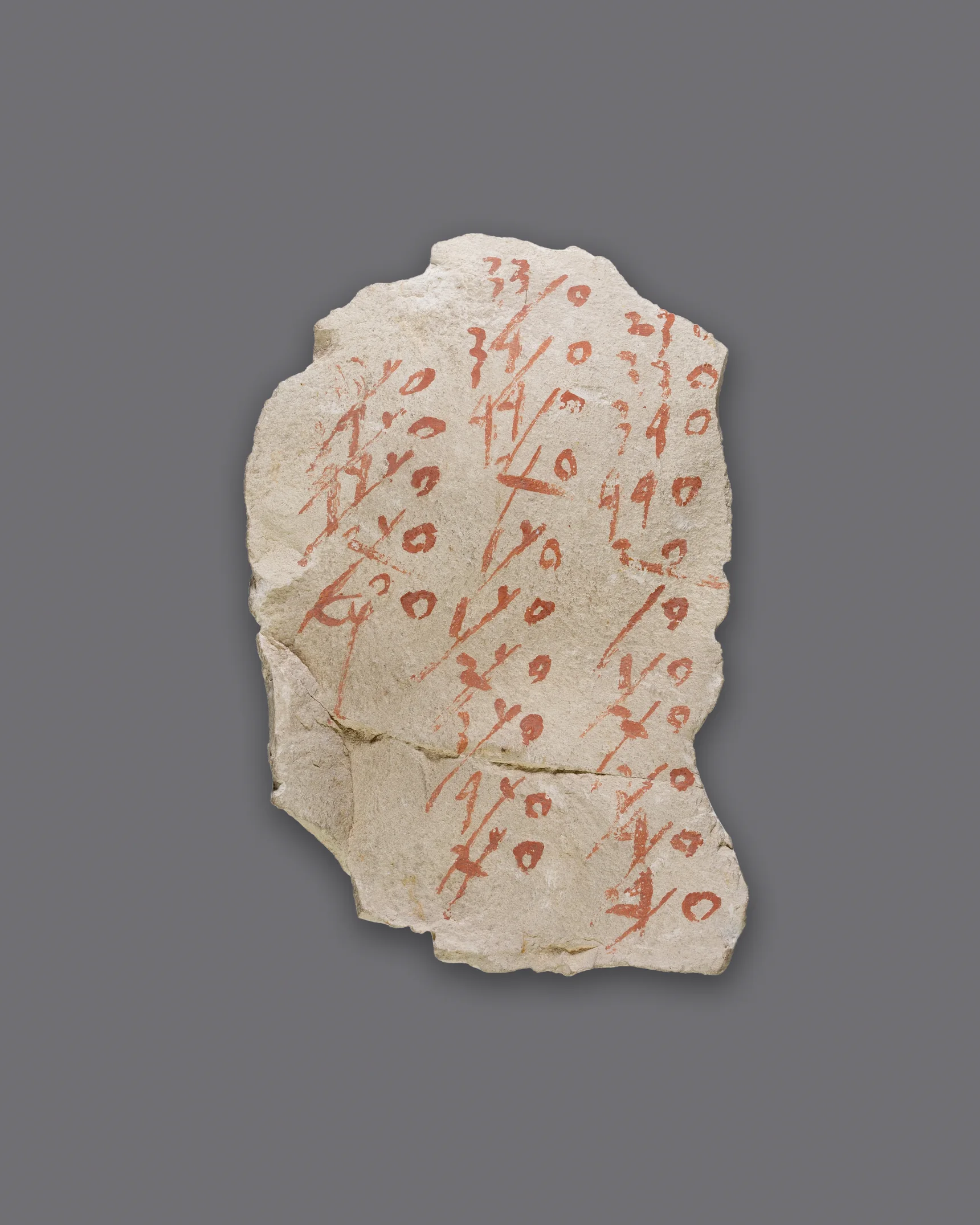
The Met preserves ostraca from Thebes dated to the first Persian period that include a passage of The Wisdom of Amenemope, accounts and lists of days. The museum identifies them as examples of writing practice by a scribe who used cursive hieroglyphic and hieratic forms. These modest objects reveal a continuing world of Egyptian literacy amid foreign government.
An ostracon carrying a literary excerpt does not tell us what Cambyses ordered; the object is evidence of scribal culture and reuse of a tomb area in a specific period. That is precisely why smaller everyday remains help balance the dramatic stories of kings.
10. Writing materials as evidence of life
Pottery or limestone flakes used for writing could preserve quick records, exercises and notations that were not intended for monumental display. Hieratic script was well suited to everyday writing on available surfaces, while formal hieroglyphs served other textual and visual contexts. The survival of practice texts during Persian domination is a reminder that culture continued at multiple social levels.
Ancient writing was also stratified. The existence of a training exercise does not establish universal schooling. The excavated context, ink, handwriting and associated objects matter when reconstructing a writer’s activity.
11. Resistance and attempts at independence
Persian control faced opposition and periods of instability. Egypt regained independence around 404 BCE and experienced renewed indigenous royal rule until Persia reconquered it in 343 BCE. The later reconquest under Artaxerxes III belongs to a separate phase, conventionally the Thirty-First Dynasty. These events must not be compressed into one uninterrupted 525–332 BCE occupation.
Different regions and actors had different political incentives. Ancient literary accounts of revolts can reflect an author’s political sympathies; the question of who rebelled and where requires careful contextual evidence.
12. Why the second Persian conquest was different
The reconquest in 343 BCE occurred more than a century after the end of the first Persian period. Egypt’s intervening independence and the changed regional environment are essential. Persian rule was ultimately displaced by Alexander’s conquest in 332 BCE, opening another political era.
Students frequently write that Cambyses conquered Egypt in 525 BCE and Alexander liberated it in 332 BCE as though nothing intervened. That timeline removes decades of independent dynasties and a separate second conquest.
13. Foreign rule and cultural identity
Labels such as Persian, Egyptian and Greek can indicate different languages, legal relationships, military roles and cultural affiliations. They are not perfect indicators of a person’s daily identity. Inscriptions, objects and settlements show that the empire was a network of interaction as well as coercive power.
This does not erase conquest or unequal political authority. It means historians must describe both imperial rule and the persistence of local communities rather than forcing an overly simple story of permanent conflict between two homogeneous peoples.
14. What objects from the period can tell us
The multilingual Xerxes jar demonstrates an imperial name in several languages. Darius’s menat object shows kingship within an Egyptian cultic material tradition. An ostracon containing an old wisdom text illustrates scribal transmission, and a second ostracon listing days reflects documentary activity. Their dates and functions differ, so no one object serves as evidence for every aspect of Persian policy.
Museum catalog descriptions are not decorative captions. They are how students check a claim: a precise accession number and provenance make it possible to distinguish evidence from an impressive-looking but irrelevant photograph.
15. The classical writers and their limitations
Herodotus and later Greek writers supply some of the best-known stories about Cambyses, Persian rule and Egyptian reactions. Their works are historically important, but the authors wrote within their own cultural and political worlds. Sensational episodes, descriptions of royal madness and tidy speeches require critical comparison with Egyptian and Achaemenid evidence.
A serious encyclopedia does not pretend a colorful anecdote is false merely because it is dramatic, but it also never claims the story is proven just because an ancient author recorded it.
16. Working chronology for students
525 BCE: Cambyses defeats Saite Egypt. First Persian rule follows under Dynasty 27. Darius I and Xerxes I become part of Egypt’s imperial political record. Around 404 BCE, Egypt regains independence. In 343 BCE, Persia reconquers the country. In 332 BCE, Alexander enters Egypt, ending the final Persian phase.
Chronology is a tool, not the whole explanation. Each milestone introduces questions about administration, the interests of ruling elites and the capacity of local communities to sustain religious and economic life.
17. Frequently asked questions
Who conquered Egypt in 525 BCE? Cambyses II of Persia. Which Egyptian ruler was defeated? Psamtik III. Was Persian rule continuous until Alexander? No; Egypt regained independence around 404 BCE and was later reconquered. What was Dynasty 27? The first Persian period of rule over Egypt. Did Egyptian writing disappear? No; material evidence documents ongoing hieratic and hieroglyphic use. Why is Xerxes’s jar important? Its four-language royal inscription shows imperial multilingual display.
Where can I see genuine artifacts? The Metropolitan Museum of Art catalogs a jar naming Xerxes, a Darius object and Persian-period ostraca with clear accession numbers and original downloadable imagery.
18. How to separate occupation from invasion
A battlefield event is the opening phase of a conquest. Occupation or imperial governance concerns the following years: who holds authority, how revenue moves, how disputes are settled and which local institutions remain active. Cultural history adds questions about language, religion and everyday work.
Treating these layers separately avoids a weak narrative made only of battles and kings. It helps explain why Egyptian civilization continued, changed and sometimes resisted during foreign political dominance.
Research sources and related encyclopedia sections
The Met: Xerxes multilingual jar; The Met: Darius I menat counterpoise; The Met: Persian-period writing exercise; The Met: days-of-month ostracon; The Met: Late Period Egypt overview. Related Kemet Vault content: Roman Egypt and another imperial system, Hyksos rule and Timeline.