The Hyksos period is often introduced as a simple story of a foreign invasion followed by heroic liberation. The evidence gives a more interesting picture: migration, regional kingship, divided government, conflict, cultural exchange and the military rise of Ahmose. This is a source-critical guide to what historians know, what remains uncertain and why the later Egyptian memory of these events became so powerful.
Fast facts about Hyksos rule
1. The Hyksos in context
The Hyksos were rulers associated with western Asian communities who controlled significant parts of northern Egypt during the Second Intermediate Period. The ancient term behind the Greek form Hyksos means “rulers of foreign lands” and was a designation of power, not necessarily the ethnic name of every migrant in the Delta. They belong to a complex political story in which Egyptian kingdoms and other regional powers coexisted rather than one simple moment of invaders replacing every Egyptian institution.
The Egyptian Ministry places the major period around 1650–1550 BCE, although exact political boundaries and sequences remain subjects of reconstruction. The Fifteenth Dynasty ruled from Avaris, while a Theban dynasty held power farther south and the kingdom of Kerma represented an additional force in Nubia.
2. Migration before conquest: why the distinction matters
People from the Levant were present in the eastern Delta before the Hyksos became a ruling dynasty. Settlement and economic contact built over generations. The presence of a distinctive population or style of pottery is not by itself evidence that a large army had just stormed into Egypt. Trade, employment, family movement and shifting political opportunities all require consideration.
Modern accounts sometimes describe a single overwhelming Hyksos invasion with a precisely dated beginning. The Ministry’s overview explicitly says the mechanism by which the rulers came to power is unknown. Researchers should not transform later hostility toward foreign kings into a detailed contemporary record of an entry event that the archaeology does not document.
3. Avaris and the eastern Nile Delta
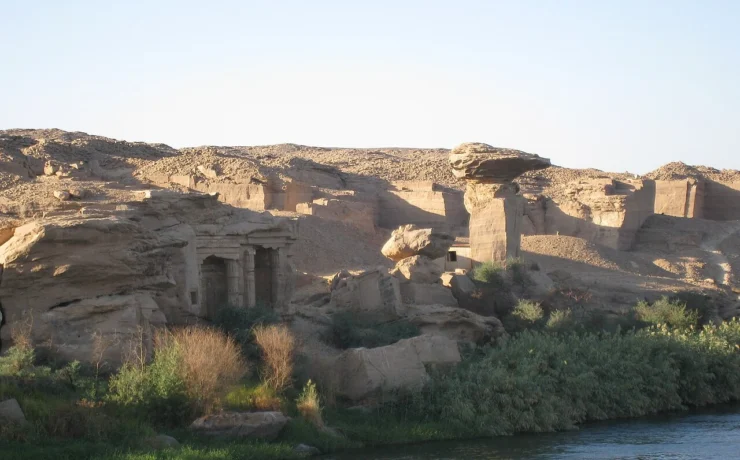
Avaris, usually identified with Tell el-Dab’a, was a political and commercial center linked to the eastern Mediterranean and the Levant. Its position helped facilitate exchanges of goods, people and ideas. Archaeological work in the Delta reveals a complicated settlement history that cannot be reduced to a purely foreign military camp.
When studying a capital, it is important to ask whether material culture indicates imported objects, locally made imitations or practices that developed within a mixed community. A single artifact cannot assign a modern national identity to an ancient inhabitant. Names, burial customs, architecture and scientific studies contribute different forms of evidence.
4. Egypt was politically divided, not simply erased
During the Second Intermediate Period rulers based in the north and in Thebes exercised authority in different areas. The southern kingdom of Kerma also influenced the wider Nile Valley situation. Egypt’s political fragmentation should not be pictured as a modern country instantly vanishing under occupation. Regional elites continued to govern, worship and negotiate while the balance of power changed.
The existence of competing kings complicates standard dynastic charts. Regnal names may overlap, and later royal lists sometimes reflect political preferences. Chronological tables help organize evidence but should not conceal how uncertain some successions and relative dates remain.
5. The title of Pharaoh and Egyptian royal forms
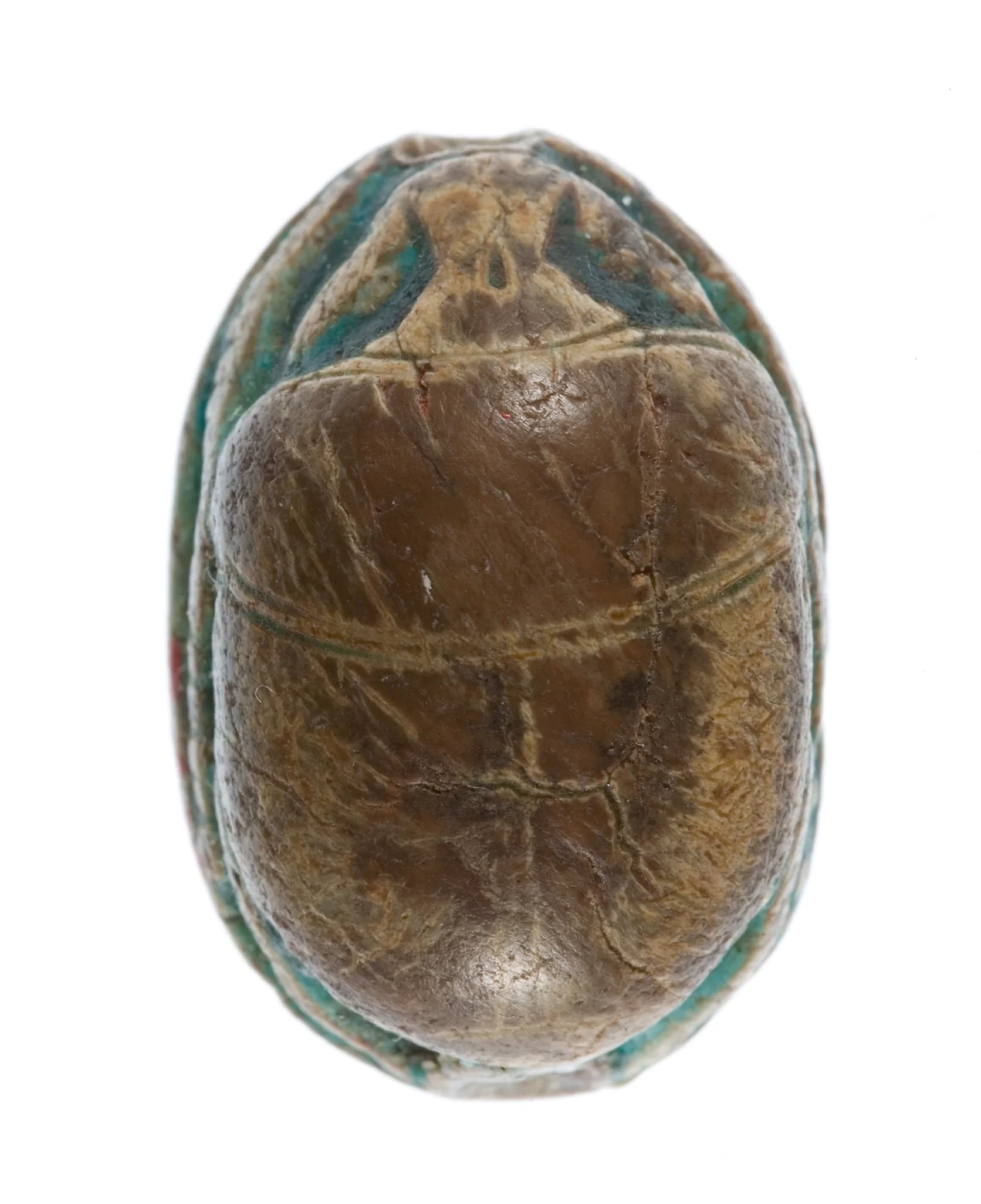
Hyksos kings adopted Egyptian royal titles and used scarabs and other media familiar in the Nile Valley. This matters because it challenges the idea that they simply ignored Egyptian traditions. Political authority could be asserted by participating in established visual and administrative languages.
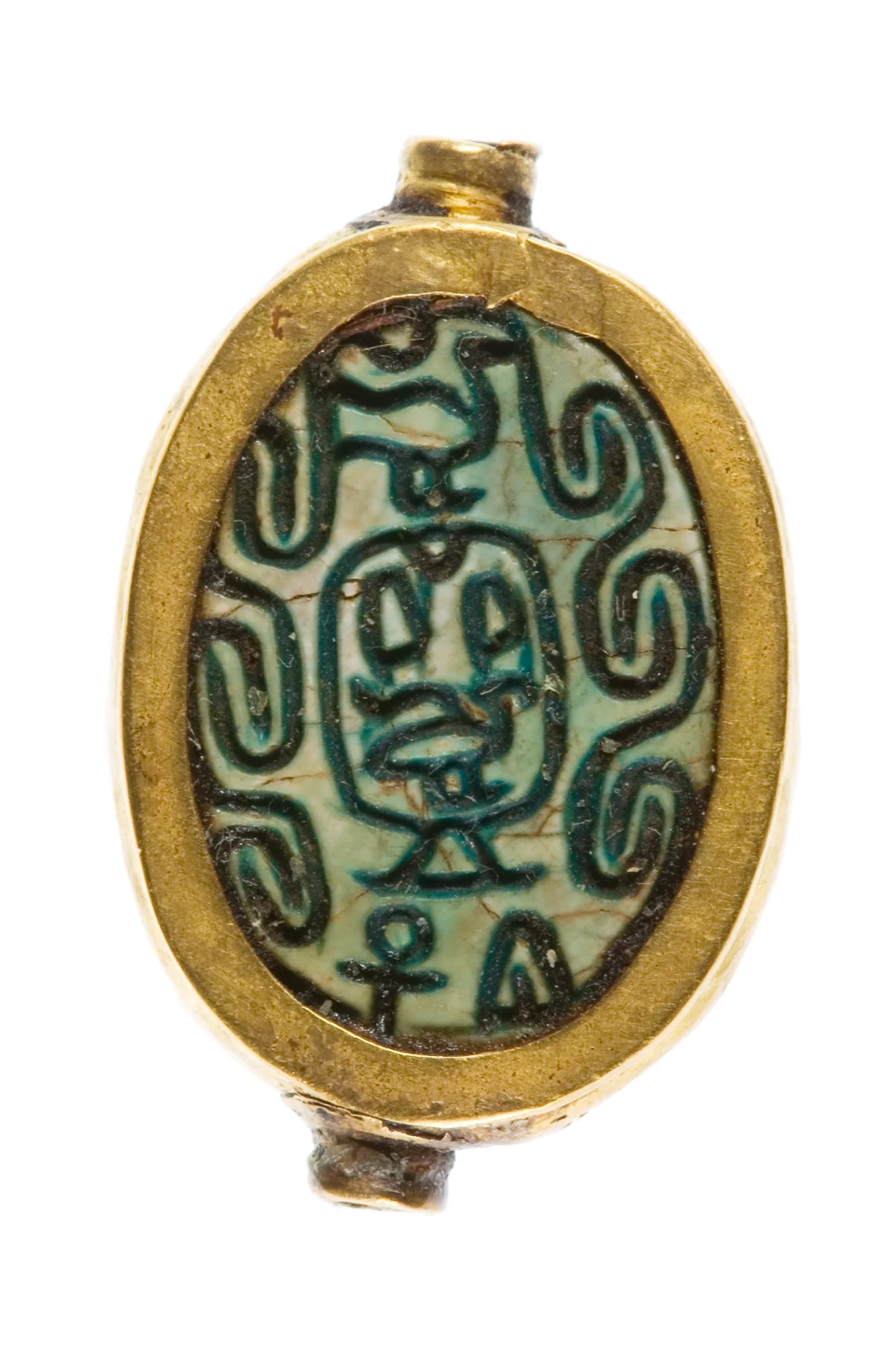
A seal inscribed with the name of a Hyksos ruler is direct evidence of a royal name and its presentation, not automatic proof of the monarch’s territorial control at every place where a seal might turn up. The object’s exact archaeological context and the museum’s attribution should always be reviewed.
6. Apophis, Khayan and surviving royal names
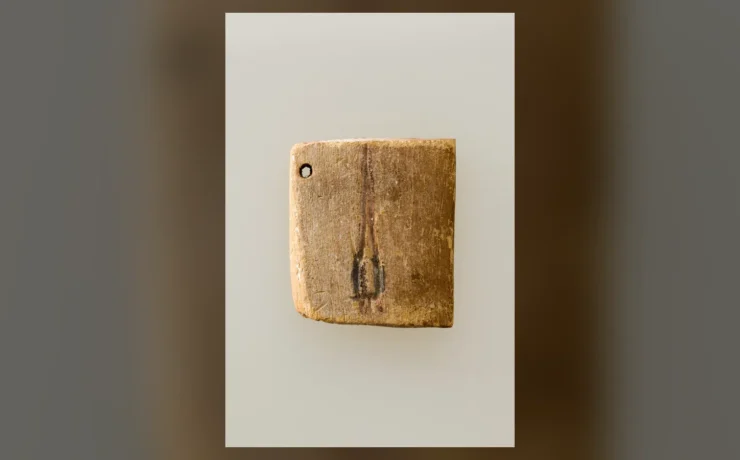
The names of kings such as Apophis and Khayan survive on small royal or administrative objects. The Metropolitan Museum of Art records a cowroid amulet bearing the name of Apophis from the eastern Delta, as well as a scarab associated with Khayan. These are more precise and defensible links to the period than photographs of unrelated pyramids.
Small seals tell us about names, titulary and material culture, not what their owner thought about foreign domination. A museum label is a useful starting point; a complete political narrative still requires comparison with excavated settlements, inscriptions and later texts.

7. Who were Seqenenre, Kamose and Ahmose?
The later rulers of the Seventeenth Dynasty at Thebes were central to the developing struggle against northern power. Seqenenre Taa is associated with violent conflict, Kamose undertook campaigns, and Ahmose I ultimately brought the northern capital under Egyptian control and reunited much of the valley under a new royal order.
The sequence is better understood as a sustained dynastic and military process than as a duel between two kings. Ahmose’s achievement helped establish the Eighteenth Dynasty and the era called the New Kingdom. Reconstruction draws on Egyptian royal texts and material evidence, both of which present the victors’ point of view.
8. Campaigns and the recapture of Avaris
The military pressure from Thebes culminated in Ahmose’s defeat of Hyksos rule at Avaris. The Ministry describes the sack of Avaris and campaigns beyond Egypt’s borders. These events changed the distribution of political power and helped make the restored kingship a symbol of national unification in later Egyptian royal memory.
Claims about exact battlefield tactics or the number of expelled people should be treated with caution. Ancient accounts celebrate royal action; they are not a demographic register of every person whose family had western Asian roots. Political expulsion of a ruling house must not be equated with removing an entire ethnic population.
9. Chariots and new military technologies
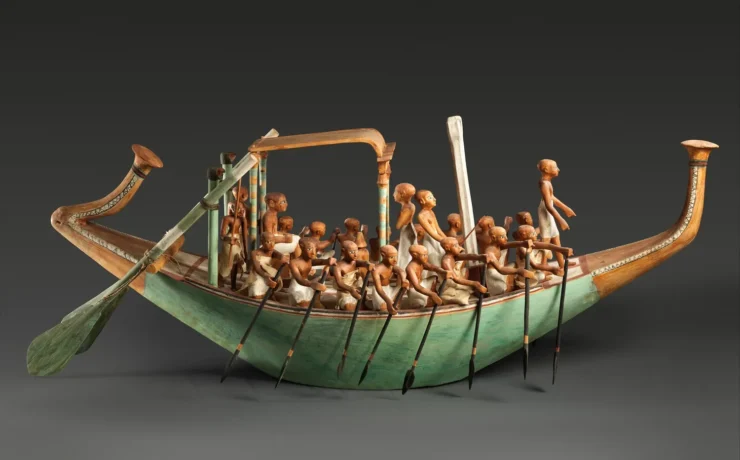
The Second Intermediate Period and early New Kingdom saw technological developments associated with wider Near Eastern connections, including the horse and chariot and changes to composite-bow warfare. Such advances did not appear in a cultural vacuum, and the phrase “the Hyksos invented Egyptian chariots” is an oversimplification.
Studying technology requires dating objects, looking at exchange networks and differentiating introduction, adoption and refinement. The later expansion of New Kingdom armies cannot be explained by one device alone. Military administration, diplomacy, training and access to regional resources were also essential.
10. Why the Hyksos mattered after their defeat
The memory of foreign kings controlling the Delta helped shape royal discourse in the New Kingdom. Kings sought to secure frontiers and conducted campaigns abroad, while Egyptian monuments presented the restoration of order as a lasting royal achievement. However, not every subsequent foreign campaign was caused by a single traumatic experience of Hyksos domination.
Cultural connections across the Levant did not end when the Hyksos rulers were removed. Trade, movement and artistic exchange remained part of Egyptian life. The period shows how conflict and cultural interaction can coexist within the same long historical sequence.
11. What the scarabs show, and what they do not
A cowroid seal with Apophis’s name and a scarab with Khayan’s name document royal names in portable form. A small scarab from the Second Intermediate Period may show decorative conventions known as Hyksos panels even without a specific royal name. Such objects support an understanding of administrative or personal material culture.
None of these small objects is a photograph of an invasion. Their source value depends on clear labels, findspots and the museum’s chronological judgment. They are excellent for student comparison precisely because they show how limited a single piece of evidence can be.
12. Did the Hyksos destroy Egyptian civilization?
No responsible overview should suggest that Egyptian institutions, language, art and life simply stopped when Hyksos kings held power. Archaeology indicates continuities and interactions alongside political disruption. The title “foreign rulers” is not a reliable description of every person’s identity or loyalty.
Ancient Egyptian ideological texts could depict enemies in hostile conventional terms. Modern historians should read them critically and avoid recycling narratives that classify entire migrating communities as inherently destructive. Separating ruling elites, ordinary populations and later political memory is necessary.
13. Reading the period without anachronism
Concepts such as modern nationalism, colonial citizenship or uniform national borders cannot be applied mechanically to ancient Egypt. The Hyksos held power in particular territories within a divided political environment; the words occupation, conquest and expulsion describe selected dimensions but should not replace a careful account of who controlled which place and when.
A stronger essay asks how authority was exercised at Avaris, what connected it to western Asia, what forms of Egyptian kingship were adopted, and why the Theban military campaign succeeded. The result is a more accurate history than an emotional story about permanent foreigners and permanent natives.

14. Questions for students
Does Hyksos mean an ethnic group? It derives from a title meaning rulers of foreign lands. Do we know they conquered Egypt in one sudden invasion? No; the process of their rise is disputed. Where was Avaris? The eastern Nile Delta, usually associated with Tell el-Dab’a. Who ended their dynasty? Ahmose I, after campaigns begun by late Theban rulers. Were chariots relevant? Yes, as part of wider technological changes, but not as a complete explanation of the outcome.
How do we study the topic? Compare the Ministry’s historical period guide, The Met’s historical chronology, excavated sites and securely identified name seals.
15. Why this is a history article rather than tourism
The political conflicts and material evidence of the Second Intermediate Period belong in an encyclopedia. Travel features may separately discuss visiting archaeological museums or a Nile Delta destination today without turning a modern cultural itinerary into an essay about who conquered whom.
Explore Kemet Vault’s chronology to place the period between Middle and New Kingdom history. Later feature dossiers can link Ahmose, the Seventeenth Dynasty and Avaris as a fully connected historical cluster.
Verified references and onward reading
Egyptian Ministry of Tourism and Antiquities: Second Intermediate Period; The Met: Egypt chronology and Second Intermediate overview; The Met: Relief portrait of Ahmose I; Global Egyptian Museum: Dynasty 15.
Follow the Interactive Timeline to the Second Intermediate Period and onward to the New Kingdom. The scarabs are actual cataloged objects, not invented visual reconstructions.