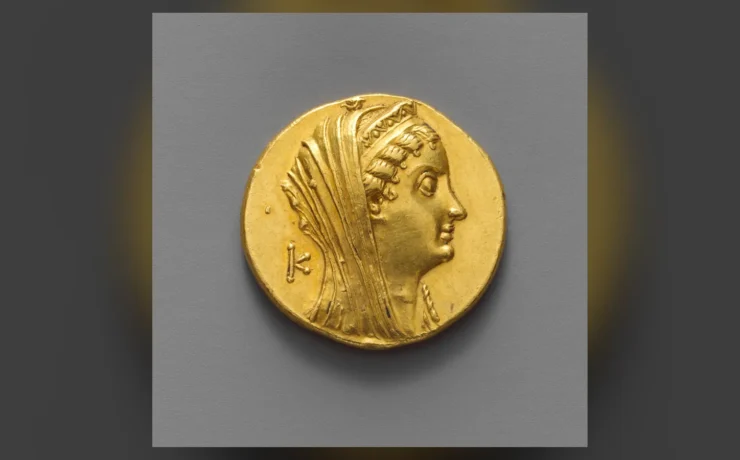
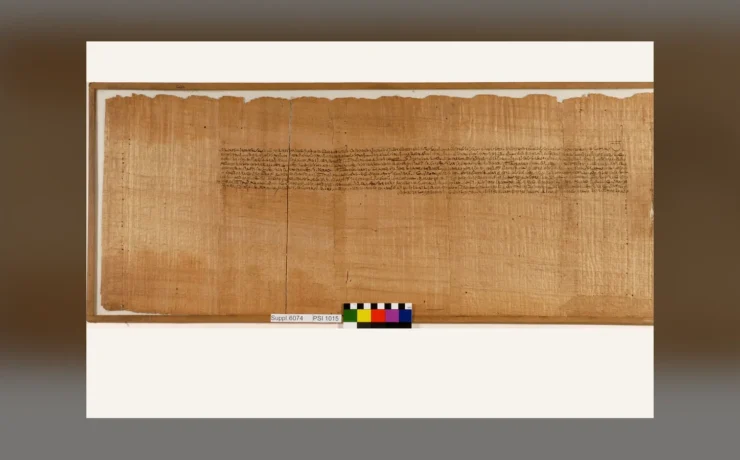
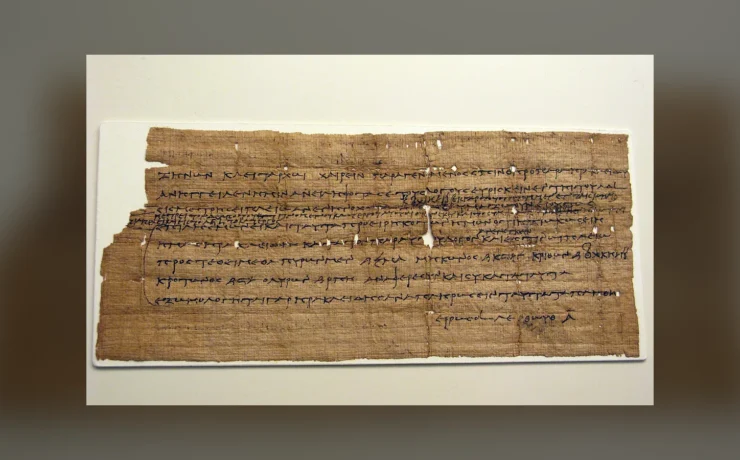
Why does Kom Ombo Temple have two sanctuaries? Kom Ombo was dedicated to two gods, Sobek and Harwer (Horus the Elder). The surviving Graeco-Roman temple has two parallel central axes and paired sanctuaries, one associated with each deity. Egypt’s Ministry of Tourism and Antiquities describes this double layout as its defining architectural characteristic.
Some Egyptian temples revolve around a single primary sanctuary. At Kom Ombo, the ritual architecture is divided between two deities, producing a remarkable double-axis plan on the east bank of the Nile near Aswan. The temple also preserves festival calendars, richly carved columns and a much-discussed Roman-era relief interpreted as a collection of medical instruments. These subjects often appear online as loose lists of ‘Egyptian mysteries’ with photographs from the wrong monument. A better method begins with the Ministry of Tourism and Antiquities’ detailed description of the actual site, compares its cult traditions with Egyptian religious texts and examines what images can and cannot prove about ancient medical practice.
For the god’s wider mythology read Sobek’s wider Egyptian crocodile-god cult, and for a different Upper Egyptian temple compare the distinct Horus temple of Edfu.
Kom Ombo’s setting on the east bank of the Nile
Kom Ombo lies on the eastern bank of the Nile north of Aswan, occupying a historically important position within Upper Egypt’s river landscape. The Egyptian Ministry explains that its name combines a common Arabic term for a mound with a name derived from ancient Nubt, associated with the idea of gold. This geographical and linguistic history helps distinguish the settlement from other Egyptian sites whose modern names also begin with ‘Kom’. The temple is an actual excavated monument, not an isolated mythological location.
A riverfront setting connected cult activity with the surrounding landscape and with movement of people and materials along the Nile. However, the current tourist view from a boat should not be used to reconstruct the exact ancient shoreline, which could change with water levels and later engineering. The building’s surviving reliefs and archaeological position are better sources for its history than the appearance of the present riverbank alone.
An earlier sanctuary and the surviving Graeco-Roman building
The Ministry of Tourism and Antiquities records that an earlier temple existed at Kom Ombo during the New Kingdom. The present standing temple was built mainly in the Graeco-Roman period, with Ptolemy VI among the earliest kings whose names are attested in the surviving building. Much decoration was completed under Ptolemy XII, and further reliefs were added in Roman times. This extended chronology is essential for identifying the different phases visible in photographs.
A temple can preserve older cult traditions even when much of its present structure belongs to later foreign-origin dynasties. That does not mean the Ptolemies simply rebuilt a precise copy of a New Kingdom building. Architectural features and inscriptions need to be dated on their own evidence. The distinction matters especially when websites call Kom Ombo a ‘temple from 3000 BCE’ simply because its deities were worshipped in ancient Egyptian religion.
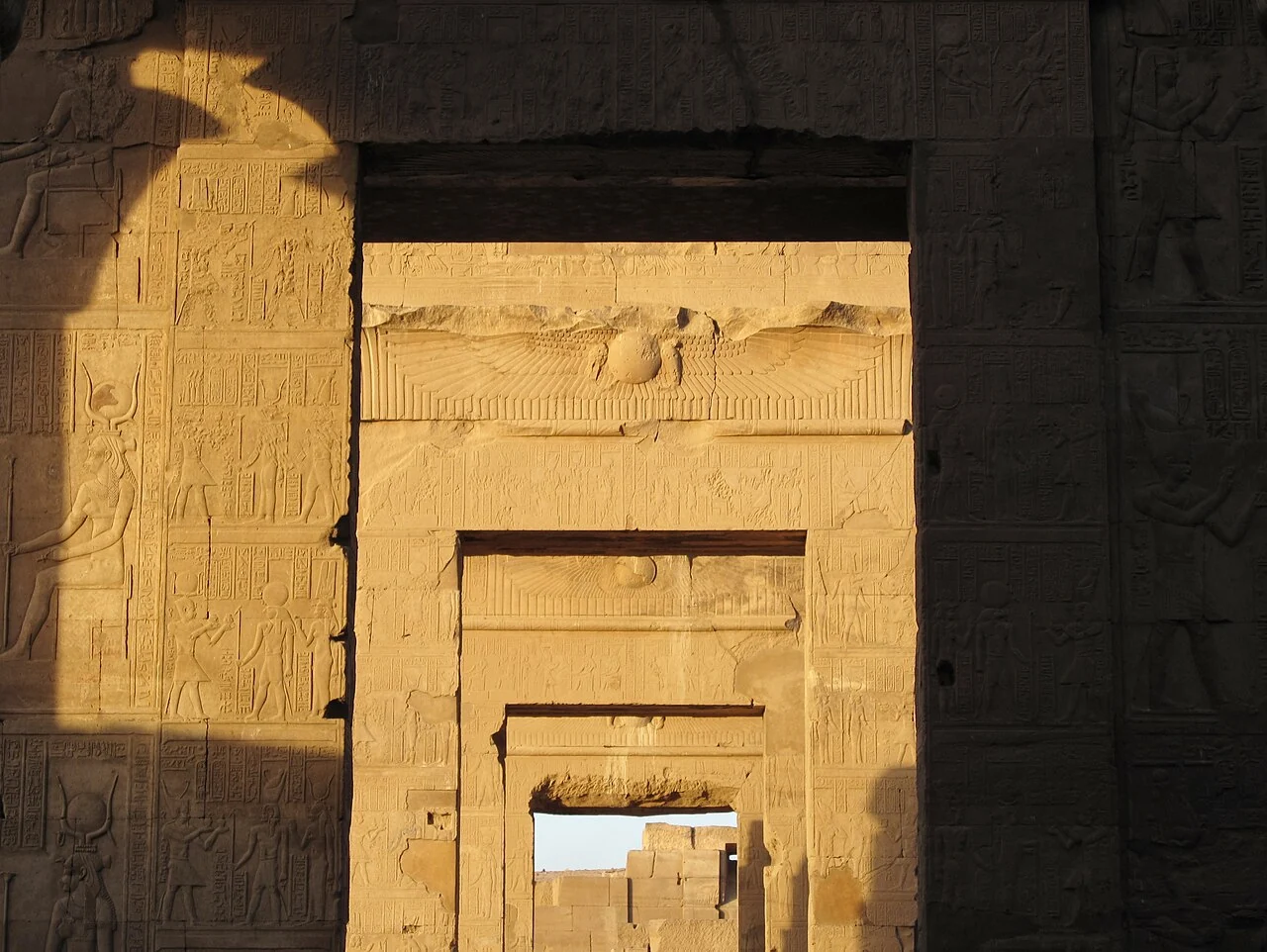
The extraordinary double-axis architectural plan
Kom Ombo’s most recognizable structural feature is its pair of parallel routes through the temple halls. The ministry specifies a southern axis associated with Sobek and a northern one associated with Harwer, each terminating in a sanctuary. This arrangement differs from the single principal route emphasized in many other Egyptian temple complexes. It is evidence for the special ritual organization of this local sanctuary, where two divine cults were incorporated into one architectural project.
Describing it as ‘two temples joined together’ can help a visitor visualize the plan, but that phrase should not be mistaken for proof that two complete and independent buildings once stood on the site. The monument is a planned double temple with shared architectural spaces. Its preserved walls, columns and sanctuaries need to be read as a coherent whole while recognizing that different rites could be associated with different sections.
Sobek: crocodile, water and fertility
Sobek is usually recognized by his crocodile-headed representation in Egyptian art. At Kom Ombo, he was associated with water, the inundation and fertile growth, as the ministry’s account explains. His local divine family included Hathor and Khonsu in the cult tradition represented at the temple. Those associations place crocodile imagery within a larger religious framework rather than presenting the animal solely as a symbol of danger or violence.
The presence of crocodile sculptures or mummies at some Egyptian cult sites is not proof that every crocodile was worshipped as Sobek or that each animal depicted belonged to a single captive colony. Religious language and zoological practice are separate lines of evidence. A general article on Sobek can trace the god’s wider history, while the specific Kom Ombo temple must be explained through its inscriptions and site-specific ritual organization.
Harwer is not simply every form of Horus
The second principal deity at Kom Ombo is Harwer, usually translated Horus the Elder. Egyptian religious traditions include multiple forms of Horus that share falcon symbolism but belong to particular local or theological contexts. Harwer’s representation in the northern sanctuary should be identified using the monument’s actual inscriptions, not merely by assuming any falcon-headed figure stands for the same mythological character in every period.
The ministry describes Harwer alongside Ta-senet-nefert and Pa-neb-tawy as part of the temple’s divine grouping. Such relationships show how local theology organized divine families and ritual imagery. These names are not interchangeable with those used in every other sanctuary. The distinction prevents the Temple of Horus at Edfu, with its own specific story and festival cycle, from being collapsed into a duplicate explanation of Kom Ombo.
Sacred calendars carved on stone
Kom Ombo includes wall inscriptions listing religious festivals and activities with associated dates and rituals. These calendar records are valuable because they connect theology to an organized sequence of cult practice. A carved date may refer to a ritual occasion within an Egyptian calendar system rather than an event dated in the modern Gregorian system. Translation requires understanding the signs, the local cult and the context of the inscription.
Online images of a calendar are sometimes circulated as proof of sophisticated modern scientific equations. That interpretation skips the text’s own religious subject and format. Calendrical organization could be technically complex, but the relevant evidence is a dated list of festivals and ritual obligations. A historical article should explain what such lists were used for before comparing them with modern timetables or astronomy.
Columns and capitals as architectural evidence
The temple’s surviving column capitals display varied decorative forms, and relief-covered walls bring inscriptions into the architectural experience. Columns support the structure, frame spaces and offer surfaces for visual programs. A visitor can recognize plants, crowns, offerings and divine figures, but a carved motif does not automatically identify the date of the entire building. The wider construction sequence remains essential to separating Ptolemaic and Roman work.
Photographs selected for this article are from the actual Kom Ombo temple, and their photographer and license are recorded. They show a surviving structure that has been affected by centuries of weathering and intervention. Describing the temple as an untouched time capsule would be inaccurate, even where individual carvings retain impressive clarity. Its value lies in the substantial surviving evidence and the ability to relate that evidence to dated inscriptions.
The famous Roman-era medical instrument relief
One of Kom Ombo’s most discussed reliefs shows a series of objects often identified as surgical or medical instruments. The ministry places this image in the Roman period, around the second century CE, and states that the items are believed to represent surgical instruments. That wording is significant: it describes an interpretation of carved shapes, not a complete physician’s instrument tray with a verified label for each object.
The photograph included here is a genuine image of the wall relief, not an invented diagram. Historical interest should begin by identifying the depicted shapes, their location and the context of the scene. Their resemblance to tools known from other ancient traditions may help scholars propose readings, but a carved image cannot confirm the effectiveness of every supposed operation. A more detailed history of Egyptian medicine requires comparing this late image with medical papyri and actual archaeological tools.
Why a relief is not a modern medical manual
Some online accounts attach precise contemporary names and functions to each shape on the Kom Ombo wall, then claim that the temple proves the practice of every modern operation. This goes beyond what the official heritage description establishes. A relief can record objects or a symbolic arrangement, but it does not provide the full procedural instruction, trained personnel, outcomes and clinical evaluation that such a conclusion would require.
The Ebers and Edwin Smith medical papyri belong to different periods and genres. Those manuscripts show written forms of Egyptian healing knowledge, while the Kom Ombo relief is a later monumental image. Comparing them is informative as long as the chronology and evidence type remain clear. No ancient image should be offered as instructions for modern medical care or as proof that a present treatment is safe.
Ritual identity and the figure of the ruling king
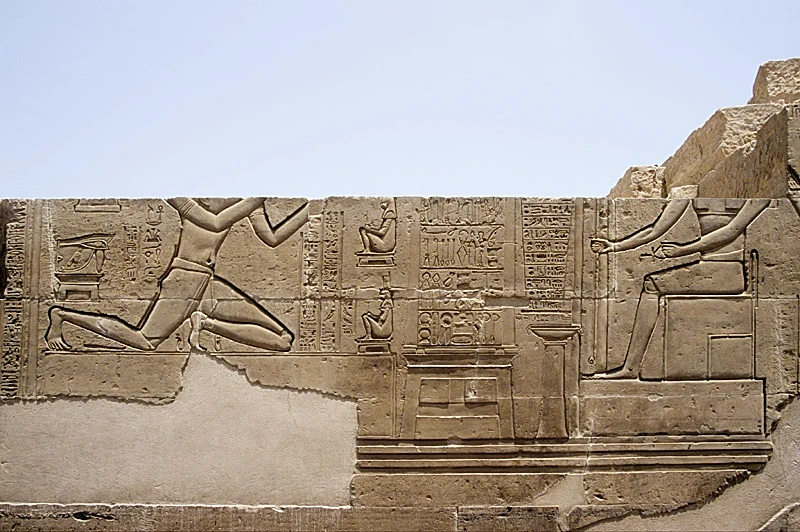
Ptolemaic rulers appear in temple art performing acts of offering and devotion in Egyptian royal dress. At Kom Ombo, such images linked the political authority of kings with the local cults of Sobek and Harwer. The inscription accompanying a figure can help identify a patron, scene or divine name. Yet scenes of offerings do not necessarily reproduce an actual ceremony at the precise moment it occurred.
Temple art was a highly formalized religious medium. Its imagery emphasizes the ideals of rightful kingship and sacred continuity, often making a foreign-born ruler appear within inherited Egyptian conventions. That is historically interesting precisely because it shows negotiation between political power and local cult traditions. It should not be flattened into the idea that religion remained absolutely unchanged under every dynasty.
The Crocodile Museum and sacred animal remains
Egypt’s official visitor materials describe a Crocodile Museum associated with the Kom Ombo site, displaying mummified crocodiles discovered during excavations. Those animal remains belong to the history of cult practice and ritual offerings, and they provide evidence distinct from the images carved on temple walls. Careful study of them can involve context, wrapping material, species identification and dating, depending on the object record.
A museum display is not the same as a crocodile being discovered in the exact position a modern visitor sees it. Finds can be conserved and rearranged for public education. A responsible guide identifies whether a picture shows the outdoor temple or objects installed in a museum, rather than using the same caption for both. Museum collections require their own accession and provenance checks.
Kom Ombo compared with Edfu and Esna
Edfu, Esna and Kom Ombo are all significant monuments for understanding Egyptian religious architecture under Greek or Roman political authority. Their similarities include carved hieroglyphs, royal imagery and complex ritual spaces, but their dedications and structures differ. Edfu’s temple is associated with Horus and major festival records, Esna with Khnum and carefully conserved painted ceilings, while Kom Ombo’s paired sanctuary arrangement is distinctive.
Many websites reuse one dramatic photograph across all three pages because the buildings share sandstone columns. That creates a factual error, not merely a design choice. For an educational encyclopedia, exact source identification is essential. Readers should be able to confirm that a crocodile-related relief came from Kom Ombo rather than from a generic temple elsewhere in Upper Egypt.
Conservation and authentic visitor experience
The surviving Kom Ombo temple has been affected by long-term changes to the river environment, weathering and the reuse of stone. Its current open-air condition makes conservation work important, and visitors should respect barriers and instructions from site authorities. If a museum or part of the temple has changed access rules, the current Egyptian monument listing takes priority over an old tourist article.
Anyone studying the site on location should follow the two central axes, identify the paired sanctuaries and then consider the inscriptions in their actual architectural positions. The medical relief and calendrical material make more sense within that broader design than as isolated internet pictures. A historically accurate visit depends on observing the original monument and checking the source record rather than assuming every attractive detail carries a universal secret meaning.
What Kom Ombo reveals about late Egyptian religion
Kom Ombo demonstrates that Egyptian religious architecture continued to develop after the end of independent pharaonic dynasties. Its double design incorporates two local divine traditions into a single monumental system; its inscriptions connect ritual and calendrical order; and its Roman-era imagery expands the range of subjects preserved on temple walls.
The best interpretation keeps the chronology clear and the evidence specific. A carved list is not a medical textbook, a photograph is not an ancient eyewitness report and a modern museum display is not identical to an original deposit. Through official site documentation and the archaeological record, the temple becomes more interesting than a collection of vague mysteries.
Source table: distinguishing temple evidence and inference
| Source | Documented point | Reading limit |
|---|---|---|
| Early temple and later construction | New Kingdom use preceded Graeco-Roman standing architecture | Do not assign every present wall to the New Kingdom |
| Ptolemy VI and XII | Royal inscriptions and decoration connect the temple to Ptolemaic rule | Different phases need separate dates |
| Two parallel central axes | Paired sanctuaries for Sobek and Harwer | Not proof of two unrelated independent buildings |
| Festival calendar | Carved cult timetable and ritual topics | Not automatic Gregorian dates |
| Roman-era instruments relief | Actual objects or symbols interpreted as medical tools | Does not prove modern surgery or clinical safety |
| Crocodile Museum | Sacred animal remains from archaeological contexts | A museum display differs from original deposition |
Official sources and photography credit
Source and image license records independently reviewed on 4 November 2026. The photographs show actual archaeological material at Kom Ombo and no speculative AI reconstructions.