What did ancient Egyptians actually do between the famous reigns, monuments and wars? Their lives involved food production, households, craft skills, clothing, marriage, religious gatherings and a great deal of ordinary work. This illustrated study examines customs as historically changing social practices, not as an exotic list of traditions supposedly shared by every Egyptian for three thousand years.
Daily life at a glance
1. Why everyday life matters as much as kings
The Egyptian past was made by farmers, craftspeople, families, market participants, priests, officials and workers, not only pharaohs. Studying customs means asking how people obtained food, organized households, trained in occupations, expressed family relationships and participated in community rituals. The answers differ by time and social position. An Old Kingdom official, a Middle Kingdom brewer and a New Kingdom tomb worker did not automatically live identical lives.
The surviving evidence is uneven. Wealthy people left monumental tombs and written inscriptions far more often than poorer households. Models made for elite burials are particularly vivid but represent selected ideals of work and provision, not literal documentary photographs of an average Egyptian street.
2. The Nile year and seasonal work
Agriculture depended heavily on the Nile environment. Irrigation, seasonal conditions, sowing and harvest helped shape work and food supply, although practices varied across regions and centuries. Harvest scenes and actual stone or flint tools document elements of this labor. Students should avoid assuming all farmers worked under one timeless calendar or that every local field received water in precisely the same way.
Landholding, taxation and obligations influenced agriculture too. A worker’s day involved relationships with households, officials and transport networks. Grain production was connected not only with subsistence but with storage, wages, taxation and ritual offerings.
3. Bread as a staple and cultural symbol
Bread was fundamental to Egyptian food systems. It appears in offering lists and in images of household and workshop activity. Surviving material indicates varied preparation methods and ingredients rather than one standard loaf eaten by every family. Archaeological ovens, grinding equipment, bread molds and residue analysis can help researchers compare how food was processed.
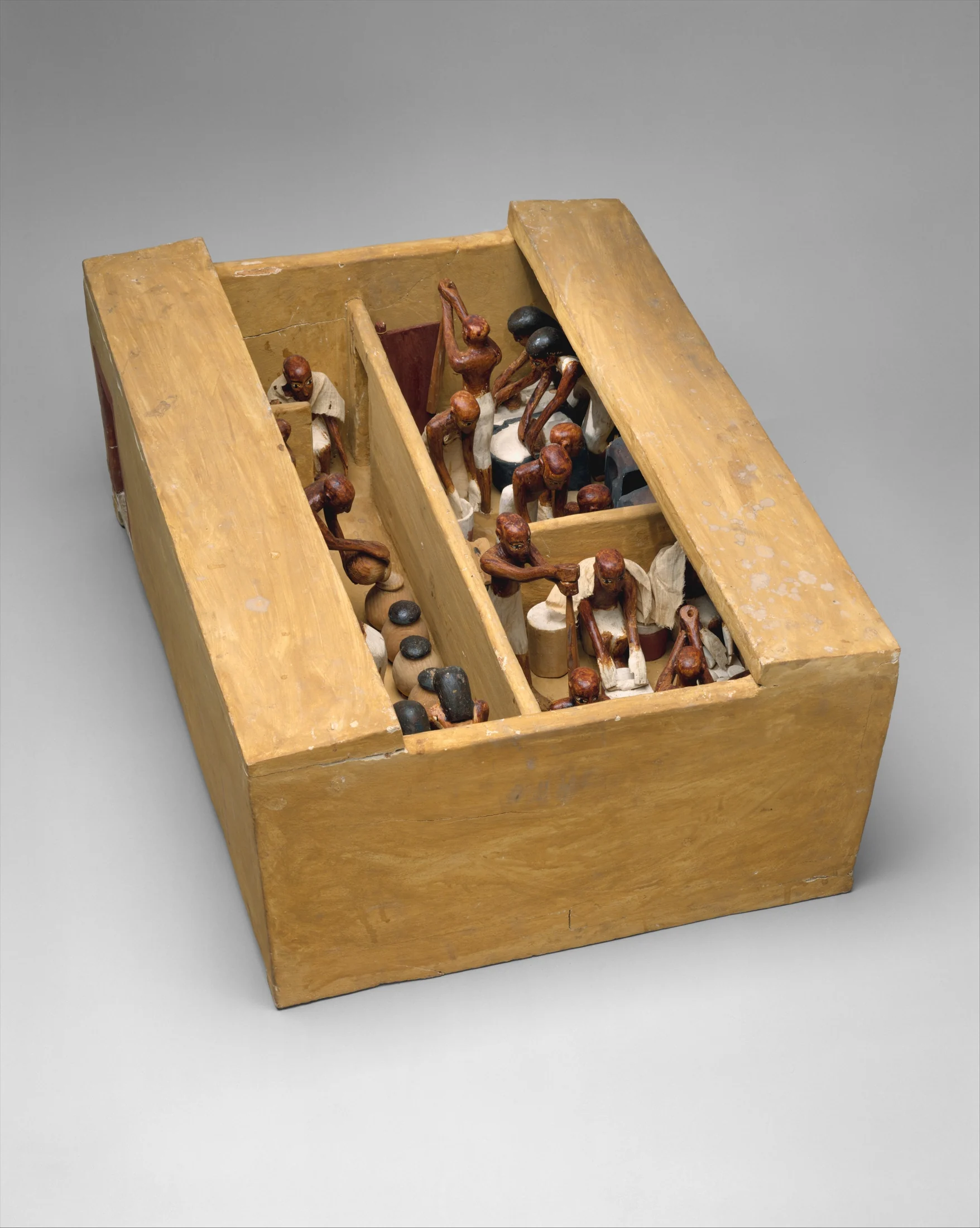
A wooden model of a bakery from an elite tomb illustrates tasks such as grinding and preparation, but it was intended to provide continuing sustenance for the dead. The historical value lies in the combination of recognizable tools and funerary purpose, not in treating the figures as named real-life bakers.
4. Beer: food, labor and offerings
Beer also occupied an important place in ancient Egyptian life. Grain-based brewing appeared alongside baking in surviving models because both processes used closely related raw materials and techniques. Beer was part of meals, offerings and some forms of provisioning. It should not be imagined automatically as identical in taste, strength or production method to modern commercial beer.
The Met’s bakery-and-brewery model from Meketre’s tomb shows connected processes in one complex. That visual record should be studied with its specific date in the early Twelfth Dynasty and its documented burial context. It is not direct evidence that all Egyptians brewed at home.

5. Food beyond bread and beer
Egyptian diets also included plant foods and, according to circumstances, meat, fish and birds. What appears in a richly decorated tomb scene may represent ideal abundance rather than routine daily consumption. Food access depended on resources and social position. Archaeobotanical remains, bones, jars and offering lists all contribute different kinds of evidence.
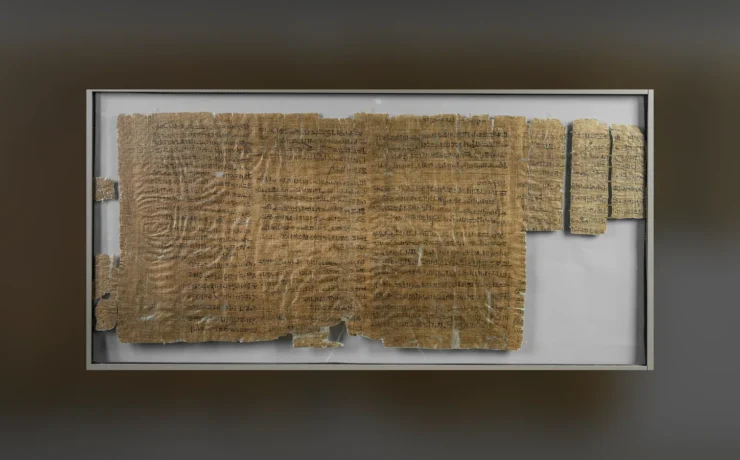
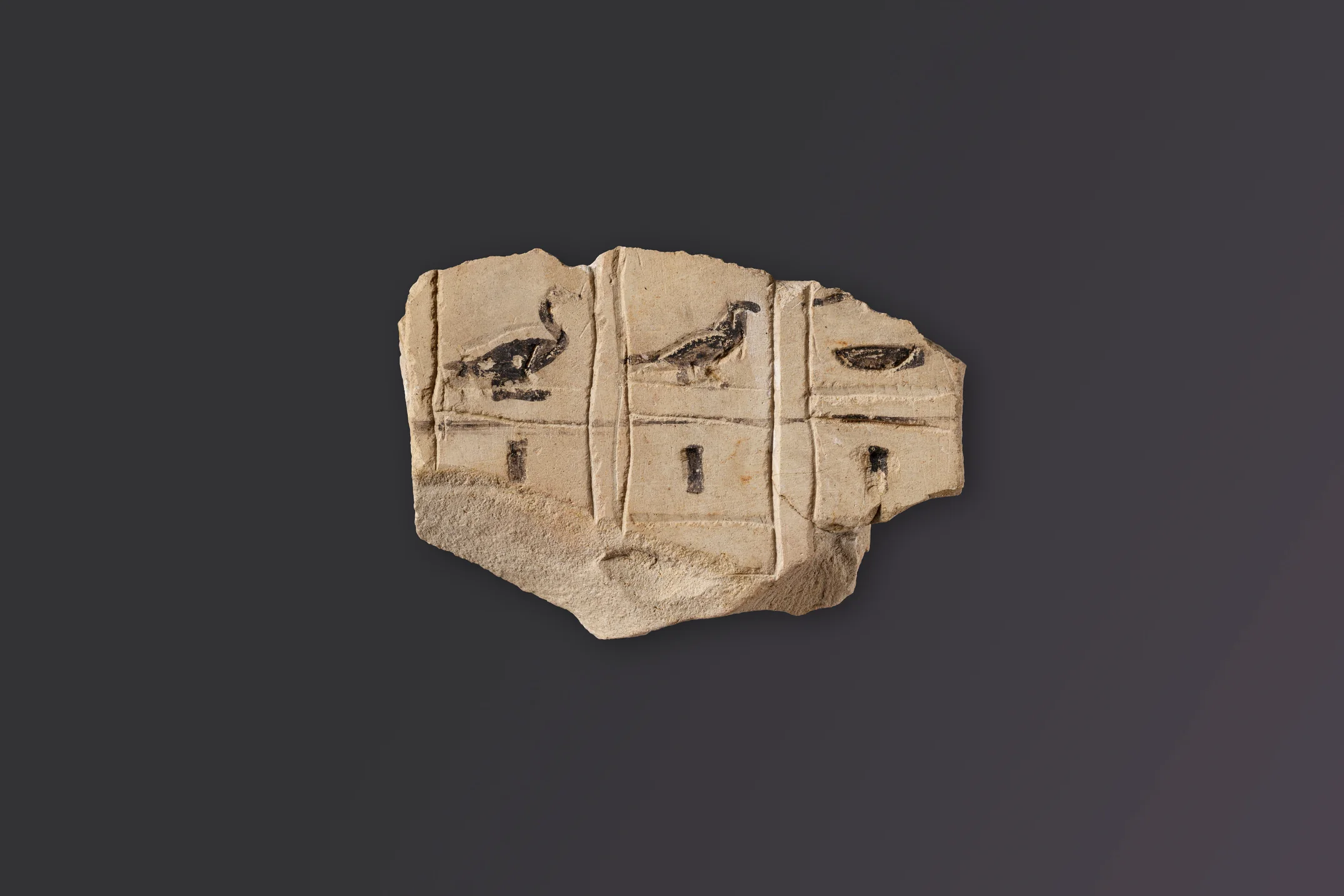
One unusually valuable source is a fragmentary offering list from the tomb of Queen Neferu, held by the Met. Its categories include meats, breads, beverages and ritual substances. The list documents ideal funerary provision, not a trustworthy daily menu for a village household.
6. Household and family relations
Ancient Egyptian households could involve parents, children, relatives, dependents and workers. Family structure changed with time, resources and circumstance. Written contracts, letters and tomb inscriptions provide evidence of marriages, inheritance, disputes and affection, but surviving elite texts cannot be used to reconstruct every household’s private arrangements.
Modern descriptions often declare that women were “completely equal” or “without rights” throughout Egyptian history. Both extremes erase important legal, economic and chronological distinctions. Egyptian women could hold property and enter certain legal transactions in various periods, yet social opportunities and expectations still differed substantially.
7. Marriage, partnership and property
The available written record illuminates marriage and household property in particular times and communities. It does not establish one uniform wedding ceremony used across three millennia. Questions about marriage should be separated into legal arrangements, household practice and representations of emotional partnerships in literature.
Students must also distinguish the date of a surviving marriage contract from the date of a story set in ancient Egypt. Later documentary papyri may be rich in legal detail, but they do not prove that identical contracts existed in an Old Kingdom settlement.
8. Children, learning and skilled knowledge
Children grew up within households where work and learning were connected to family circumstances. Some acquired literacy and specialized training; others learned agricultural or craft skills through participation and observation. The presence of schools or scribal exercises in the record should not be used to claim that all children attended a standardized educational system.
Scribal status had economic and social importance because administration relied on writing and record keeping. Yet most people’s experiences may be documented only indirectly through objects, house remains and official accounts.
9. Clothing, jewelry and the body
Images show Egyptians wearing different textiles, hairstyles and ornaments. Linen was important, but dress varied according to period, role, occasion and wealth. Jewelry could express status, beauty or protective symbolism. A portrait or tomb depiction may be stylized, and identifying fashion from an image requires recognizing the age and function of the artwork.
Ancient objects such as combs, beads, cosmetic containers and textiles provide complementary evidence. It is misleading to assume that a statue’s neatly arranged clothing perfectly represents the everyday appearance of a rural worker.
10. Festivals, gatherings and shared ritual
Temple festivals created occasions for procession, devotion and community participation. In Thebes, the Opet festival involved cultic movement between major sanctuaries; other places had their own local celebrations. Not every festival was identical, and there was no single modern-style national calendar of fixed public holidays throughout Egyptian history.
The surviving records often focus on temple officials and ritual programs, which means an ordinary spectator’s experience may be harder to reconstruct. The Sphinx Avenue between Karnak and Luxor temples preserves a monumentally important procession route, but the current streetscape is not a direct unaltered window into each ancient celebration.
11. Workshops, occupations and social differences
Archaeological models represent different tasks such as bread making, animal preparation, storage and boat work. Craftspeople, agricultural laborers, transport workers and scribes contributed to economic life under different arrangements. Job titles in inscriptions can be highly specific, while modern terms such as middle class are often too broad to map onto ancient society without explanation.
A model of bakers, brewers and butchers in The Met comes from a burial assemblage. Its relevance lies in the represented tasks and resources. It is not proof that the individual figures worked together in exactly that room in everyday life.
12. Household meals and funeral offerings are different evidence
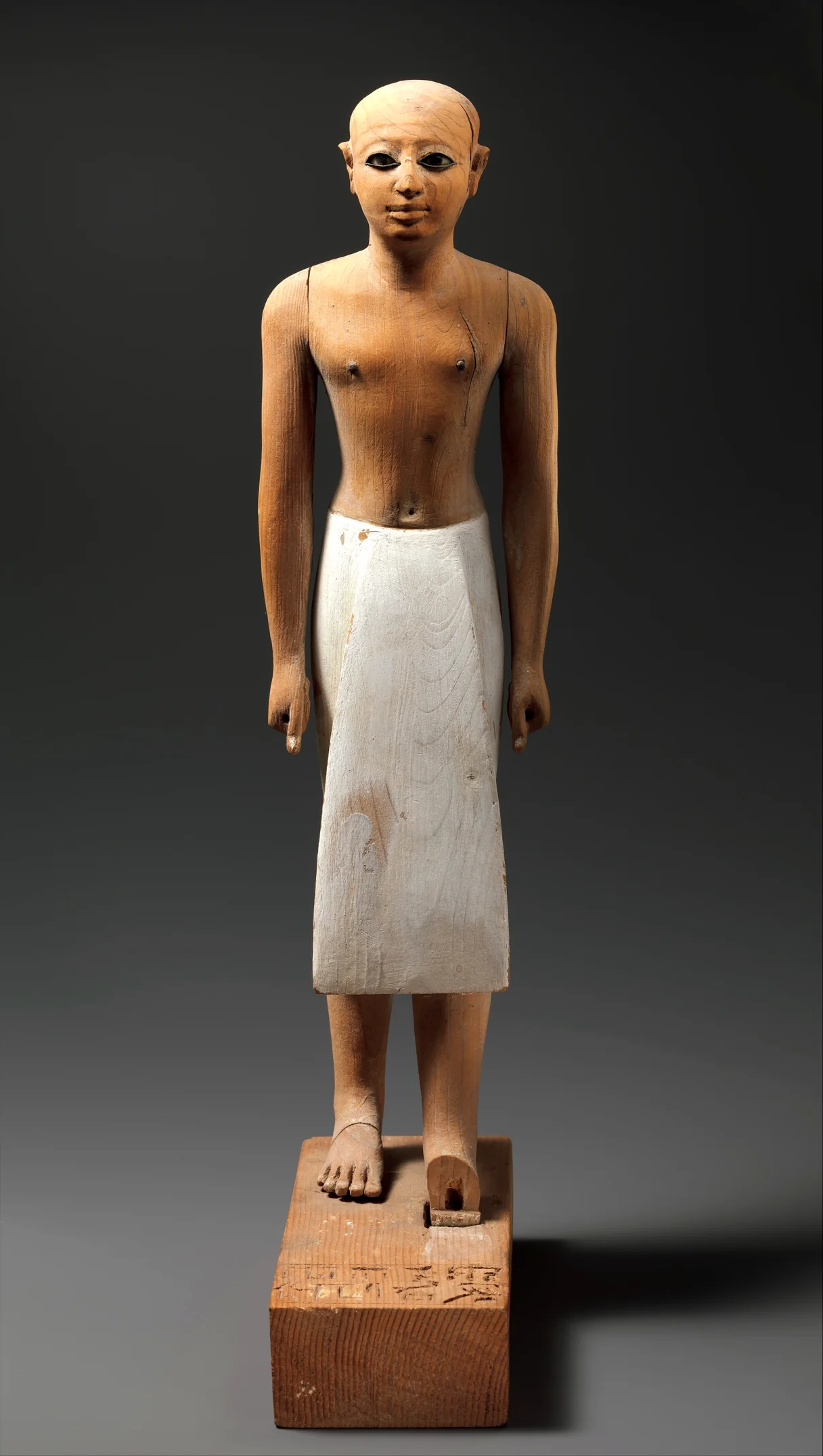
The line between ordinary food and religious provision is important. A funerary offering list names what the deceased was expected to receive symbolically or ritually, while actual kitchen installations and organic residues provide other evidence of preparation. A statue of an official with an inscription about bread and beer tells us about ritual expectations and status, not the exact breakfast he ate.
This is why a responsible article labels its photographs: a limestone offering fragment, a workshop model and a wooden statue can all help explain food culture but cannot substitute for each other. The same subject has multiple historical dimensions.
13. Music, performance and communal life
Music and movement are visible in Egyptian art and texts, sometimes in religious or festive settings and sometimes in more private contexts. Instruments, depictions of performers and hymns show varied roles for sound in Egyptian culture. Reconstructing exact melodies from ancient images alone is generally impossible, and modern “ancient Egyptian music” recordings should not be presented as unquestionable replicas.
A museum object showing a musician or instrument can provide evidence of construction and representation. A video made today represents a modern interpretation unless supported by identified ancient notational or textual evidence.
14. Continuity and change across dynasties
Ancient Egyptian culture developed over an immense period. An offering model from c. 2000 BCE and a painted funerary portrait from Roman Egypt belong to different worlds even where both touch on continuity beyond death. We should resist the urge to describe daily life with one checklist that supposedly applies from the first kings to the last Roman emperors.
Detailed evidence must be located in a period, a region and a social setting. This allows readers to see both recurring themes and meaningful differences rather than a fixed picture of eternal Egypt.
15. How to interpret models and inscriptions
A useful classroom exercise is to examine Meketre’s bakery-and-brewery model, then compare it with the offering list of Queen Neferu. The former arranges miniature figures around a workshop; the latter records categories of ritual sustenance. Ask what each object directly displays and what historians infer from it.
Write the accession numbers, archaeological contexts and dates beside your notes. Distinguish an excavated object from an artistic reconstruction. This method transforms visually striking content into a set of testable historical questions.
16. Questions people ask about Egyptian traditions
Did everybody eat bread and drink beer? Both were major staples, but diets and access differed. Did all Egyptians live near a pyramid? No. Were marriage customs the same in every dynasty? No surviving evidence supports such uniformity. Did women have legal rights? Their roles and legal capacities varied across time and status. Did ordinary people join religious festivals? Communities participated, though details are unevenly documented. Do models photograph daily life? No; they are ancient symbolic representations, interpreted using context and comparisons.
undefined
17. Explore Egyptian culture with Kemet Vault
Read the independent article on Meketre’s tomb models to understand funerary workshop scenes in detail, and use the chronology to compare changes among periods. Where a festival belongs to a particular city, consult archaeological site information separately. The value of an interconnected encyclopedia is that a reader can move from an object to the social question it helps answer.
Historical source citations should link to official museum catalog records; images must be accurately identified, with no claims that later objects show earlier practices unchanged.
Source records and connected reading
The Met: Meketre bakery and brewery; The Met: model brewers, bakers and butchers; The Met: Neferu’s offering list; The Met: Senbi statuette; Egyptian Ministry: Theban processional heritage. See also Meketre’s Models and the Timeline.