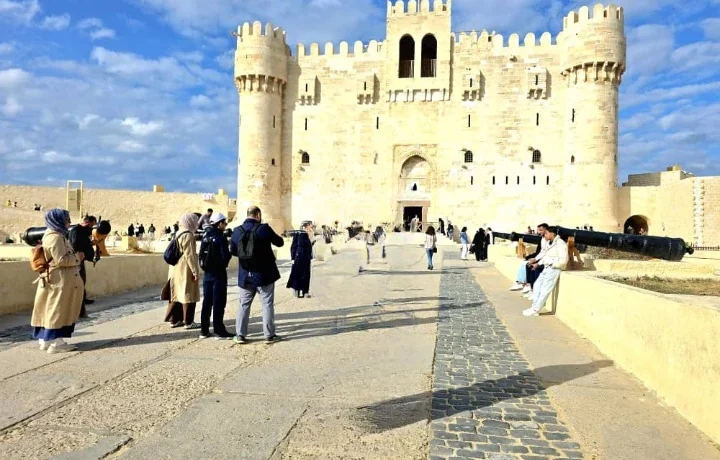
Which Luxor-to-Aswan itinerary includes Edfu, Kom Ombo and Abu Simbel? This seven-day southbound route prioritizes temples and archaeological stops: the Luxor East and West Banks, Edfu and Kom Ombo during the transfer, Philae in Aswan, and an optional full-day Abu Simbel excursion. It suits travelers who want a structured monument-focused journey. It does not claim live transport availability, prices or fixed site opening hours.
Seven days between Luxor and Aswan can be a coherent cultural journey rather than an exhausting attempt to tick off every temple. This route dedicates time to royal tombs, Karnak, the ancient religious centers of Edfu and Kom Ombo, the relocated monuments of Philae, the Nubian context of Aswan and an optional full-day visit to Abu Simbel. It is organized by geography, travel effort and archaeological meaning, with realistic alternatives and without invented live prices or opening hours.
Why seven days works better than three for Luxor and Aswan
Luxor and Aswan are not two attractions in the same city. They anchor a substantial stretch of the Nile Valley with monumental complexes, archaeological landscapes and modern communities that deserve time. A three-day excursion may allow a visitor to photograph a few façades but leaves almost no room for understanding what the sites mean. Seven days lets a traveler divide Luxor’s east and west banks, move south via Edfu and Kom Ombo, discover Aswan and consider a deliberate visit to Abu Simbel. Even so, this is a selective cultural plan, not an attempt to see every tomb or archaeological temple. The best trip respects heat, visitor fatigue, variable opening arrangements and transport constraints. The suggested route assumes arrival in Luxor and departure from Aswan, avoiding a needless return north. Travelers arriving in Cairo can take a domestic flight or rail journey separately; the plan does not assume a specific live timetable or airline service. Visiting Egypt’s heritage sites is also an exercise in care: preserved inscriptions, painted tomb surfaces and river landscapes are not stage props for rushed photography. Good interpretation is easier when there is time to sit, examine details and ask what is actually ancient rather than restored.
Day 1: arrive in Luxor, river orientation and an easy evening
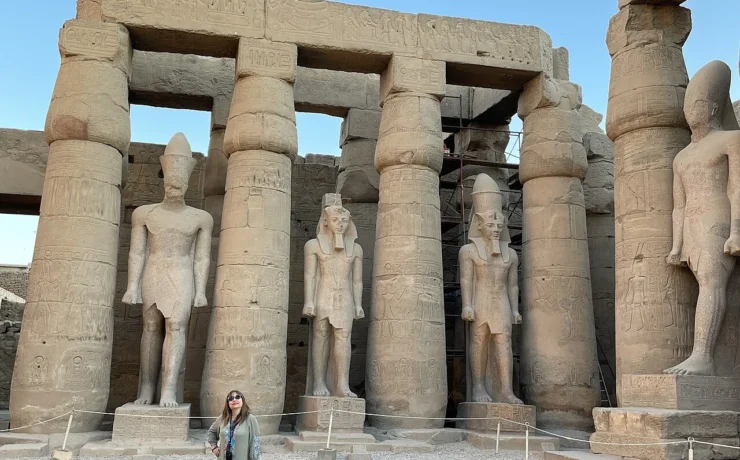
The first day should be intentionally light. After arriving and settling in, walk near the Nile if conditions and the area permit, orient yourself toward the East Bank, and consider Luxor Temple later in the day only if travel fatigue and opening arrangements make it sensible. The objective is not to race through a monument after an overnight journey. Luxor was part of ancient Thebes, and its East Bank includes the temple complexes that embodied significant religious and royal activity over many centuries. Look for changes in construction phases rather than asking which single pharaoh “built” every wall. Ramesses II, Amenhotep III and later rulers each contributed to the long visible history of Luxor Temple. The modern city is itself layered, so the experience of walking along the Nile should not be represented as an exact re-creation of pharaonic riverbanks. Dinner and a reasonable night of sleep are part of the schedule because temple visits in southern Egypt often involve long outdoor hours. If the arrival is late, postpone the temple visit. A flexible first day protects the depth of the later visits.
Day 2: Valley of the Kings and Hatshepsut’s temple
The West Bank merits a dedicated day. Start with the Valley of the Kings, where New Kingdom royal tombs were cut into the desert mountains. Tickets and included tombs can vary, and certain special tombs may require separate access. Research the current list through official ticketing rather than assume a guide from a previous year still applies. Inside a tomb, pay attention to texts, ceilings and architectural passages; do not use unauthorized flash photography or touch painted walls. The burial was a carefully planned environment, not merely a hidden chamber holding gold. Continue to the Temple of Hatshepsut at Deir el-Bahri, whose terraces respond strikingly to the limestone cliffs. The historical figure of Hatshepsut deserves more than a sensational account about a woman stealing a throne. Her monuments testify to royal power, religious legitimization and a sophisticated artistic program. If energy and transport allow, add the Colossi of Memnon as a brief stop rather than squeeze in several additional tomb complexes. The key advantage of this day is focus: royal burial and mortuary architecture can be compared while the locations are fresh in memory.
Day 3: Karnak’s enormous ritual landscape and Luxor Temple
Reserve a full morning for Karnak. It is a vast religious complex developed over many centuries rather than one freestanding building from a single reign. The Great Hypostyle Hall, with its immense columns, is the most famous setting, but the courts, gates, inscriptions and smaller sanctuaries reveal the long political history of the site. A guide can help explain why later pharaohs dismantled, reinscribed or expanded earlier works. A photograph of one colonnade cannot convey the chronological complexity of the entire precinct. Take breaks and remain on authorized visitor paths because the site is large and exposed. Later, visit Luxor Temple if you did not see it on arrival day, or return to consider how processions linked the religious landscapes. The Avenue of Sphinxes offers an important connection between sites, though its surviving and restored segments should not be imagined as unchanged ancient pavement. Across this route, try to connect the temples to the Nile and ancient Thebes instead of treating each monument as an isolated tourist stop. Good pacing means choosing quality of observation over a checklist of every visible statue.

Day 4: travel south through Edfu and Kom Ombo
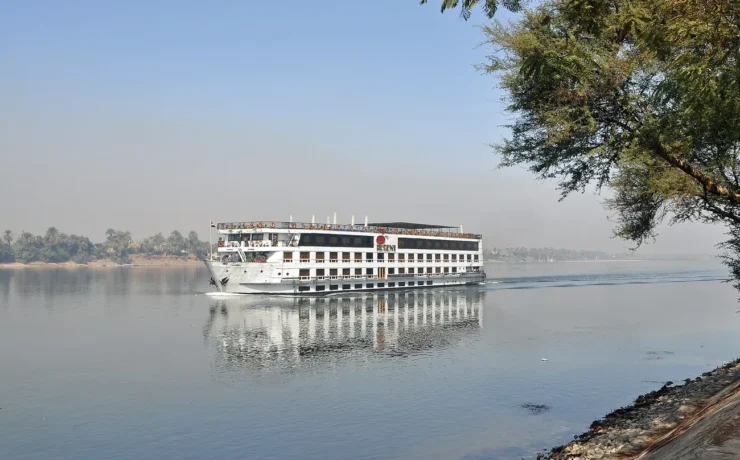
Day four is the main transfer rather than a free sightseeing day. Arrange a reliable vehicle and driver or an itinerary with confirmed transport, then travel from Luxor toward Edfu and Kom Ombo before continuing to Aswan. The Temple of Horus at Edfu is among Egypt’s best-preserved large temples, primarily from the Ptolemaic period. Its presence is an opportunity to understand how Egyptian religious practice continued under rulers of Macedonian Greek descent. The temple should not be dated vaguely to “the pharaohs” without specifying the later historical period. At Kom Ombo, the double sanctuary is especially associated with Sobek and Horus the Elder. Its setting above the Nile invites discussion of different ritual functions within one architectural complex. Visit durations, road conditions and opening hours vary, so plan this day as substantial travel and do not commit to a precise all-inclusive driving time. Arrive in Aswan with room for rest. A cruise can connect similar sites but will change the daily sequence, embarkation rules and stop lengths. This overland plan is meant for travelers who want greater control over their visiting time.
Day 5: Aswan, Philae and the Nile islands
Start with the temple complex associated with Philae, now on Agilkia Island after the Nubian monument rescue program. Its present island location is not identical to the original ancient setting, a detail that should be central to any accurate visitor explanation. The temple of Isis offers material from Ptolemaic, Roman and later phases. The complex’s religious significance extended far beyond the formal end of independent pharaonic kingship, reminding visitors that Egyptian cult traditions had long and changing histories. Access involves transport to the island under local arrangements; boat availability, prices and hours should be verified rather than assumed. After the temple, dedicate time to the river scenery and the lived city of Aswan. A felucca outing can be worthwhile in suitable weather, but wind, river conditions and safety decisions may change the experience. Ask for a clear route and price before boarding. Avoid language that treats Nubian people and communities as a timeless museum of the ancient world. They have a living modern culture with their own history, languages and present-day concerns. A culturally respectful itinerary makes space for both monuments and residents.

Day 6: Abu Simbel as a deliberate full-day excursion
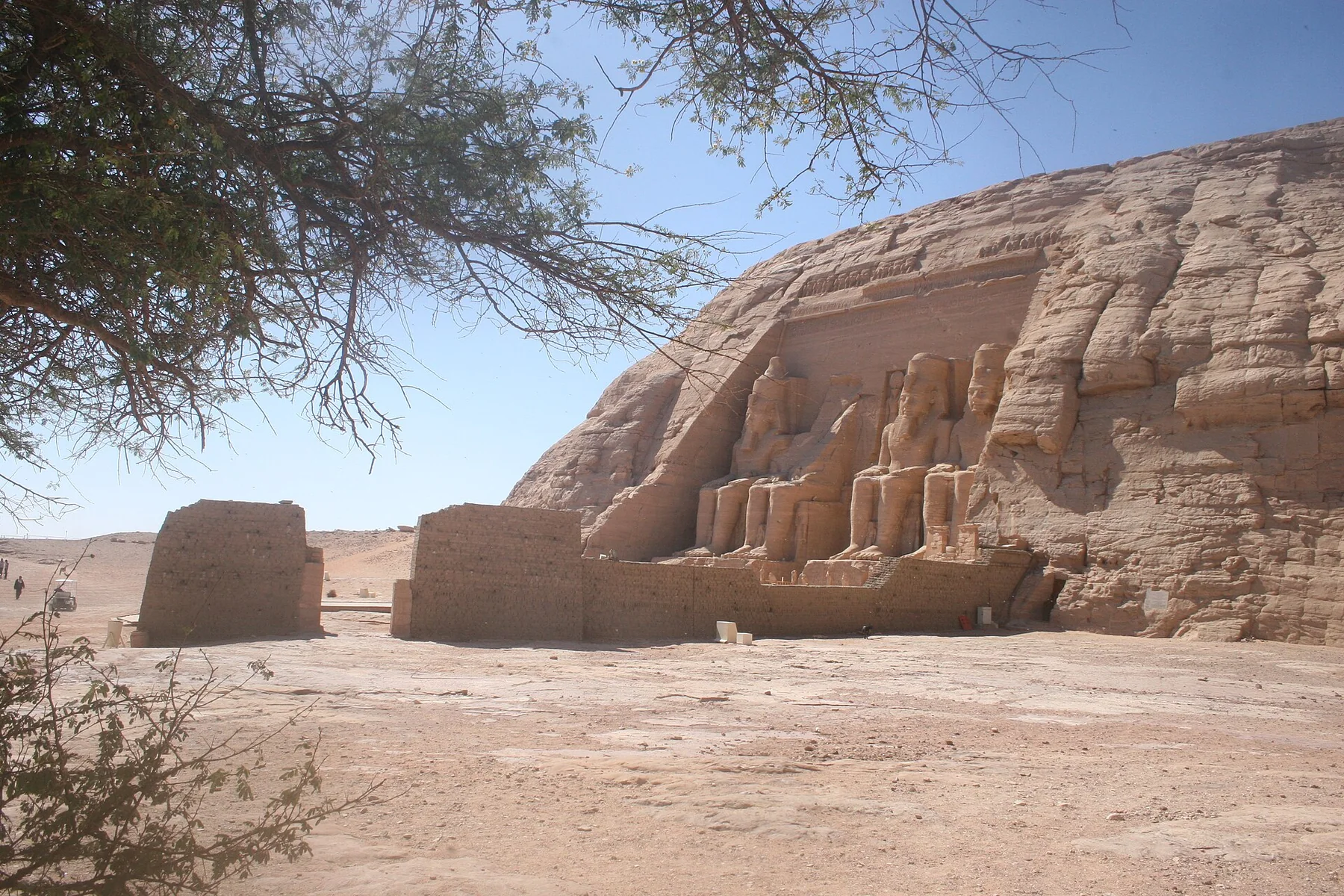
Abu Simbel deserves to be treated as a major undertaking rather than a quick add-on. The Great Temple of Ramesses II and the smaller temple associated with Nefertari lie far south of Aswan near Lake Nasser. Traveling by road and visiting the monuments can consume much of the day, with transport rules and departure practices subject to change. Anyone with limited mobility or stamina should evaluate this before booking. Historically the temples are celebrated both for their ancient New Kingdom sculpture and for their modern relocation during the international Nubian monuments rescue campaign. The colossal façade is not on the exact original cliff in which it was carved. The engineering history of saving the monuments is itself a chapter of twentieth-century heritage conservation. Visit with enough time to see both temples and their landscape rather than focusing exclusively on one famous photograph. Weather and official visitor access should determine the day. If the trip is impractical, substitute a slower Aswan day with museums, river sites or local history; the itinerary is better adjusted than forced into an exhausting departure and return.
Day 7: Nubian heritage, departure and realistic buffers
Leave the final day relatively unstructured until flight or onward travel is confirmed. If time permits, consider Aswan’s Nubian Museum, which documents histories, archaeology and cultural traditions connected to Nubia. Museum schedules and exhibitions change, so consult official information before building the day around a particular gallery. A short river outing or a visit to a permitted public area can offer a quieter conclusion. The Nubian rescue campaign, the Nile dams and the relocation of monuments connect the journey’s ancient history with twentieth-century environmental and social changes. That context is essential because the modern landscape around Aswan did not simply remain fixed from the time of Ramesses II. Departure day can be derailed by luggage needs, transport delays or heat; preserving a margin of time is more useful than forcing another long monument excursion. Travelers choosing to return to Luxor or Cairo should account for that additional journey separately. The central goal is a coherent seven-day cultural route, not a promise to cover every attraction in Egypt.
Transport and accessibility: choose a mode that matches the trip
The itinerary assumes arrival in Luxor and departure from Aswan because that generally reduces unnecessary backtracking. Between the cities, a private transfer offers flexibility at Edfu and Kom Ombo; trains may be useful for the main movement but do not automatically include visits to the sites between stations. A multi-night Nile cruise is a different product, with its own timetable, docking pattern and excursions. Compare inclusions carefully rather than treat the words “Luxor to Aswan” as a guarantee of identical experiences. For site access, heritage locations vary considerably. The Valley of the Kings involves stairs, passages and sometimes narrow interiors. Karnak is very large and exposed. Philae requires a boat transfer and island movement. Visitors with mobility needs should ask local operators about exact routes, ramps and assistance before booking. A broad “wheelchair friendly” label should not replace an evidence-based answer about the specific monument. For current admission prices and tickets use the Egyptian ministry’s official monuments portal. Published price tables can go stale quickly, which is why this history-and-route guide does not invent or freeze an adult entry fee.
Costs, local guides and what to verify before paying
A sensible tour budget should separate accommodation, long-distance travel, site admission, local transportation, boat arrangements, guided interpretation and meals. Package quotations often vary in whether special tomb tickets, Abu Simbel, temple boat fares and tips are included. Ask for an itemized written itinerary with exact hotel names or accommodation standards, transport categories and a clear cancellation policy. Travelers booking through an Egyptian agency can consult the Egyptian Travel Agents Association directory and, where appropriate, check company details against ministry resources. An online review alone is not a license verification. Licensed guides and qualified transport providers matter, especially for the long drive south. If a vendor promises access to closed rooms, unrestricted touching of antiquities or off-limit excavation areas, treat it as a warning sign rather than a premium experience. Cultural travel is not improved by disrespecting monuments. The best local guide helps connect objects with historical evidence, explains uncertain dates honestly and adjusts pace to the visitor’s needs. Choose evidence, transparency and care over a package name full of grand adjectives.
A stronger itinerary through meaningful internal reading
Preparation improves a visit because it gives the monuments a story. Before Karnak, learn how temples were used for religious rituals and political messages. Before the West Bank, understand how tombs and afterlife texts shaped choices made by royal burial teams. Before Kom Ombo, read the local theology of Sobek and Horus the Elder rather than simply taking a crocodile photo. Kemet Vault has a dedicated Sobek archaeological and mythology encyclopedia, plus an Abu Simbel cultural visitor guide and Aswan Nile islands and Nubian culture guidance. These do not replace site-specific tickets or current transport information. They enrich interpretation while keeping history separate from changeable visitor logistics. A seven-day plan is at its strongest when it offers enough space for history to feel connected and people to notice what makes each place distinct.
Seven-day route at a glance
| Day | Where | Primary focus |
|---|---|---|
| 1 | Luxor East Bank | Arrival and optional Luxor Temple |
| 2 | Luxor West Bank | Valley of the Kings and Hatshepsut temple |
| 3 | Luxor East Bank | Karnak and processional landscape |
| 4 | Road to Aswan | Edfu and Kom Ombo |
| 5 | Aswan | Philae and Nile islands |
| 6 | Abu Simbel | Long southern excursion or relaxed Aswan alternative |
| 7 | Aswan | Nubian heritage and departure |
Official sources and photographic credits
Egyptian Ministry of Tourism and Antiquities monuments catalogue, UNESCO Ancient Thebes and its Necropolis, UNESCO Nubian Monuments from Abu Simbel to Philae, and ETAA official directory. The three site photos are genuine licensed photographs, with author and source credited. Itinerary checked October 2026; current operations require direct verification before travel.
Frequently asked questions
Should I begin in Luxor or Aswan?
Beginning in Luxor and ending in Aswan is coherent for this particular route, though the reverse can work if flight arrangements are better.
Can Abu Simbel be added to a short Aswan day?
It is a major excursion with substantial travel. Allow a full day and adjust for available transport and personal stamina.
Does the itinerary include ticket prices?
No fixed prices are quoted, since government tariffs and package inclusions can change. Verify at the ministry portal before purchase.