What should you check before paying for a tour in Egypt? Confirm the seller’s legal identity first, then get the exact itinerary, hotel and transport details, cancellation terms, payment receipt, named contact and emergency procedure in writing. A tourism-company license does not guarantee that every advertised package or payment channel is reliable. This guide focuses on the booking transaction and what the traveler should retain, not the separate process for searching official company registration records.
Before you pay for a tour in Egypt, verify who is selling it. A confident sales message is not a license, and a beautiful itinerary is not a contract. This guide explains how to check a tour operator through official channels, compare inclusions and keep booking evidence.
A good Egypt tour starts with verification, not a promotional screenshot
Egypt has experienced tour companies, professional guides and many different ways to visit historic places. Unfortunately, a professional-looking website, large following or familiar logo does not by itself prove that a seller is licensed to organize a trip. This guide explains how a traveler can check the identity of a prospective Egyptian tour operator, clarify the nature of the service, request meaningful paperwork and reduce avoidable booking risks. It is a companion to destination itineraries, not an endorsement or ranking of a particular business. A verified company can still deliver a disappointing trip, while a knowledgeable individual may not hold the permissions needed to legally sell a complete travel package. The first question is therefore what product is being offered and by whom. The official Egyptian Ministry of Tourism and Antiquities operates the national licensing framework. The exact databases, procedures and categories can change. A dated guide should tell readers where to begin verification rather than print an invented live licensing status for any company.
What a travel agency license does and does not establish
Licensing indicates that a business falls within an official regulatory framework, but it should not be mistaken for insurance against all service problems or a guarantee of exceptional quality. Travelers should check the exact legal entity named on a license, the company presenting the quote and the company collecting money. Agency names can be similar, and a trading brand may not exactly match the registered name. A transport provider, professional guide or hotel has different authorizations from a tour organizer. A company that sells a complete multi-day itinerary may use separate subcontractors for vehicles, guiding and accommodation. An agency license is one piece of the picture. A responsible consumer asks what services the licensed company is accountable for and which are independently supplied. Official details should be verified directly from the current Ministry service and its listed contact channels. Screenshots sent privately by a seller are easy to edit and may be outdated, so a screenshot alone is not sufficient evidence that a license remains valid.
Start with the Ministry of Tourism’s official website
Egypt’s Ministry of Tourism and Antiquities website lists services concerned with tourism company licenses, tour guide licenses and tourist transport authorizations. Use that government starting point to identify the proper verification channel. If a search system or license detail cannot be confirmed publicly, use published government contact details or the relevant professional chamber rather than guessing. Record the name, license category, registered business address and date of verification in your own notes. Avoid sharing identity documents or banking details with a third-party verification website that cannot prove its connection to the Ministry. A government page may display a general count of licensed businesses, but a total is not a list proving that a particular seller is authorized. Regulatory statuses can change or be suspended. The goal is to confirm the actual company against an official record where available, not simply to find its name mentioned by a travel blog or commercial directory.
Distinguish company, sales agent, guide and driver
A seller who arranges a Nile cruise, hotel and excursions might be a tour operator. The person who leads you around Karnak could be a separately licensed tour guide. The individual driving your party might work for a vehicle company rather than the agency issuing the voucher. This chain of responsibility matters when something is delayed, substituted or canceled. Ask for the contracting party and a clear service breakdown. In particular, do not assume that every person offering trips at a hotel entrance or on a social-media page is acting for the officially registered company whose name they mention. An authorized booking should have traceable confirmation and a responsible contact. It is reasonable to ask whether guiding is private or shared, which languages are guaranteed and whether specialist museum access is included. The same questions can prevent arguments over what a “full tour” actually means. None of these checks makes travel risk-free, but they shift important facts into writing before any payment.
Check the package itinerary line by line
A quote that says “see the pyramids, Luxor and Aswan” provides too little information for a reliable purchase. Ask for the exact number of nights in each location, transportation mode, monument entrances, guiding arrangements, meal inclusions, boat transfers and any excluded items. A Nile cruise may not include the same shore excursions as another vessel, and an optional Abu Simbel trip may require a very early departure. A traveler should not confuse marketing words like “deluxe,” “VIP” or “all-inclusive” with defined contractual services. Hotels should be identified by name or a clear policy governing substitutions. If a private tour is promised, clarify whether a private vehicle and guide are dedicated to the party for the full day or only for selected stops. Some operators include airport assistance, while others sell it as an extra. A detailed itinerary also gives a traveler a realistic picture of how much time remains for meals, rest and the actual sites.
Why a hotel voucher and operator receipt matter
Travelers who pay deposits should obtain a written receipt identifying the licensed business, amount, currency, date, payment purpose and remaining balance. Hotel reservations should be independently verifiable with the property where practical, especially for expensive or complex bookings. A confirmation number is useful but is not a substitute for evidence that the hotel recognizes the reservation. Confirm whether a booking is merely held or fully paid and whether it can be canceled. Keep copies of the quotation and correspondence, including significant service changes. Avoid sending a deposit to a personal wallet when the business presents itself as an incorporated travel agency unless a credible documented explanation and official payment process are provided. Credit-card payment or reputable channels may give additional dispute options, although rights depend on the provider and jurisdiction. The object is traceability, not a belief that every online transaction is fraudulent. Reliable businesses typically understand why guests want formal receipts.
Read cancellation and change terms before paying
A package can be altered by hotel availability, train changes, weather, site closures or personal emergencies. Before committing, ask what happens if you cancel, if the operator cancels or if part of the itinerary cannot be delivered. Look for deadlines, refund calculation methods, whether booking fees are retained and how deposits are treated. A vague promise that “everything is refundable” is not the same as a written policy with conditions. Where a package includes flights, check whether those tickets are issued in the traveler’s name, whether baggage is included and who controls changes. International visitors should also understand the payment currency and bank conversion charges. A useful contract identifies dispute contacts and the governing seller. It is difficult to make a fair comparison between two offers when one includes entrance fees and a generous amendment policy while another excludes both. This guide does not give jurisdiction-specific legal advice; travelers should rely on the contract and applicable consumer protections.
What a good guide does at archaeological sites
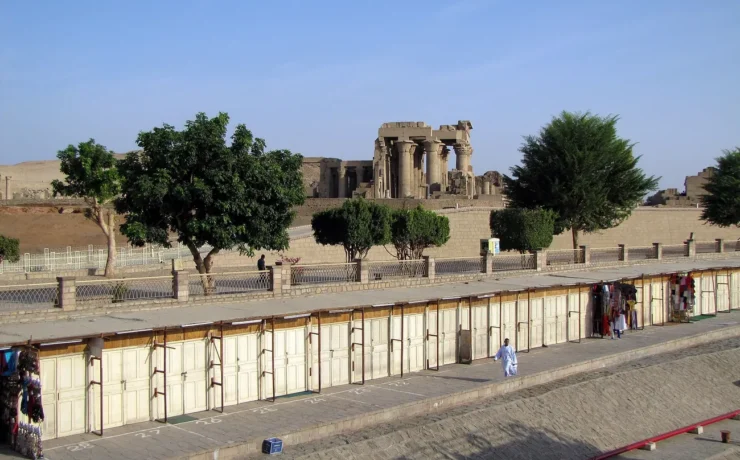
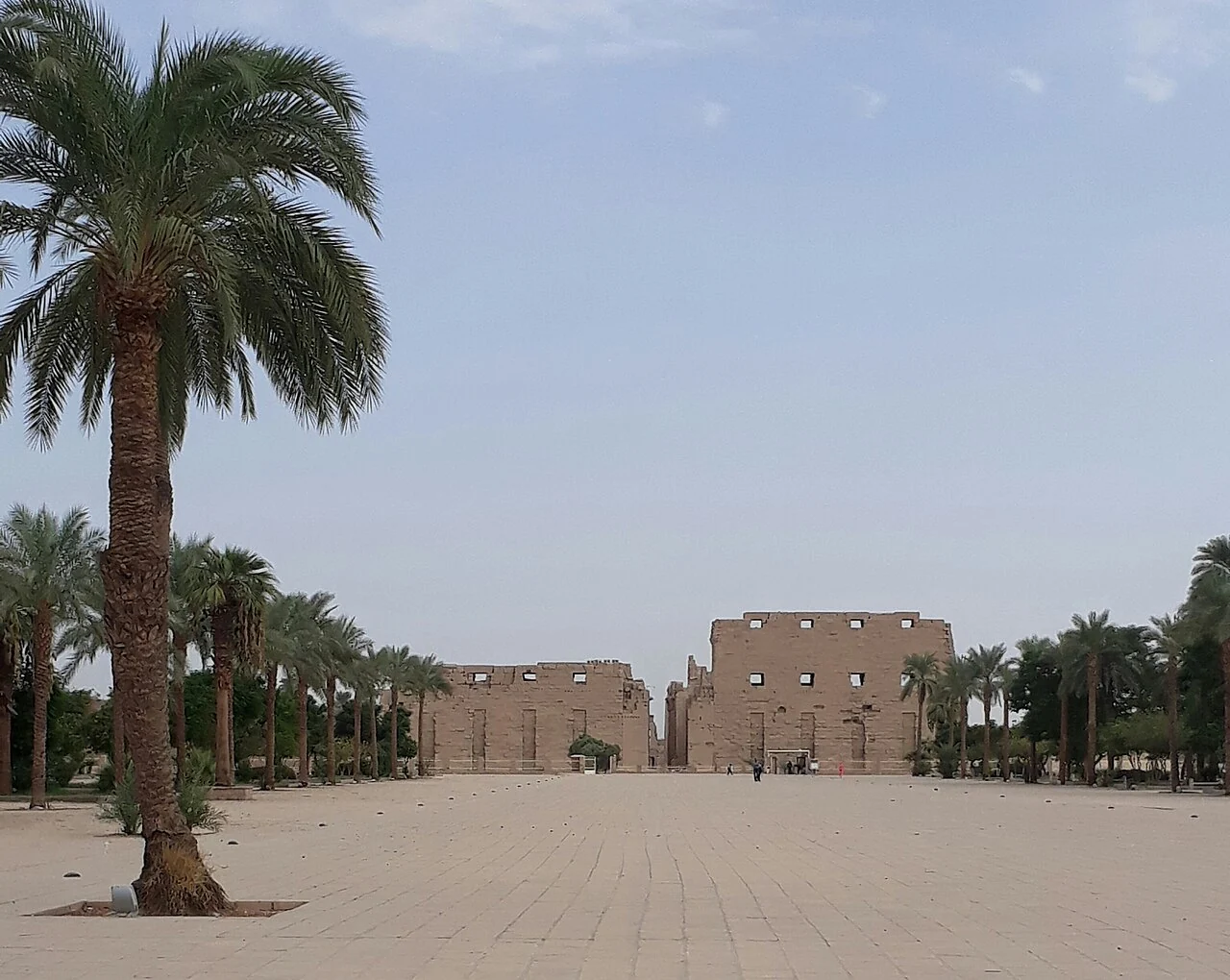
A qualified guide can explain the physical environment and history of a monument without overwhelming visitors with rehearsed myths. At Karnak, for instance, the question is not simply who built “the temple,” because construction extended across many centuries. A trained guide should distinguish documented building phases from attractive anecdotes. Professional standards include punctuality, clarity about the day’s plan, respect for monument rules and willingness to acknowledge uncertainty. Guide qualifications and languages should be checked as part of booking, not discovered on the first morning. A guide may recommend local crafts or restaurants, but customers should know whether these are optional and whether commissions play a role. Respectful tourism also involves following access restrictions, not touching delicate inscriptions and asking before photographing residents or workers. A licensed professional can improve understanding, but a company guarantee must specify whether such a guide is actually included in the quoted price. The photographs in this article show genuine monuments travelers might visit, not purported images of verified employees or companies.
Emergency planning and day-of-tour support
A careful operator should provide a reachable local contact for arrival, transfer and tour-day problems. Request a phone number that can be used if a driver does not appear, a hotel booking has changed or a site visit becomes impossible. Clarify the location for pickups and whether someone will meet you at the airport or station. For families and visitors with accessibility needs, ask detailed questions about vehicle entry, walking distances, steps, wheelchair arrangements and whether the chosen sites are suitable. Egypt’s archaeology is often located in exposed landscapes where shade, water and resting areas vary. Heat and long drives can matter more than the distance on a brochure. Good planning includes rest intervals, realistic departure times and the option to change pace. A company that asks about requirements before quoting may be better able to communicate limits, although this alone proves nothing about licensing. Keep a copy of the tour schedule available offline in case mobile data fails.
Warnings that deserve closer scrutiny
A seller refusing to identify the legal company, demanding immediate payment to an unexplained personal account, offering only disappearing messages or repeatedly changing the accommodation after payment deserves additional verification. So does a claim that a business is “officially approved” without a checkable record. An unusually low quote is not proof of wrongdoing; it may simply omit services. Equally, an expensive package does not prove professionalism. The warning is mismatch between the promise and the paperwork. Be careful with copied photos, unauthorized government logos, customer testimonials that cannot be verified and statements that a reservation is guaranteed while no hotel or cruise name is supplied. Ask a few specific questions in writing and evaluate the answers. A reputable seller should be able to explain service exclusions and identify who is responsible for delivery. The Cairo Governorate published a September 2026 warning relaying concerns about unauthorized intermediaries, especially in the pilgrimage travel sector. That public warning demonstrates why current official authorization should be checked independently rather than accepted from advertising alone.
How to compare two operators on equal terms
Create a short comparison using the same travel dates, group size, accommodation level and required attractions. For each quote, note the registered company, guiding language, transport category, site tickets, daily schedule, meal conditions, cancellation terms and total payable amount. If one seller lists three sites in a day and another lists two, ask about visit time rather than assuming the longer list is superior. Ask who will handle emergencies and the precise method for raising a complaint. Do not treat an online rating as a license check; reviews can report experiences, but they are not a regulatory record. Nor should a guide’s friendliness replace clear financial documentation. For itinerary design, Kemet Vault’s ten-day Egypt route offers a practical baseline for travel pacing. Our separate Travco Travel profile illustrates how a company-specific guide can be evaluated without granting a blanket recommendation.

Where to verify and what to keep
Start with the Ministry of Tourism and Antiquities for tourism-company, guide and transport licensing services. Government information may direct users to a particular authority or updated electronic service. A September 2026 Cairo government news item reports a warning from the travel sector about unauthorized intermediaries and the value of official contracts and receipts. Save the company’s legal identity and the official link used for checking; note the verification date. The Ministry-related tourism-sector contact directory provides organizational contacts, but a contact list alone does not confirm licensing for a specific business. For the broader booking workflow, see the Kemet Vault flights, hotels and tour operator verification guide. Original historical-site photos here illustrate cultural destinations only, and their captions do not imply the pictured monuments are operated by the agency under review. Last editorial review: 25 October 2026.