The Battle of Kadesh is among the most famous military confrontations of the ancient world, but it is also among the best examples of how a king’s victory story differs from the questions historians ask. This illustrated guide reconstructs the context of the clash between Ramesses II and the Hittites, evaluates the Egyptian royal account and explains why a peace treaty years later matters more than a simple claim that one side won.
Battle facts
1. The battle at a glance
The Battle of Kadesh was fought in the reign of Ramesses II, conventionally placed around 1274 BCE, against the Hittite forces of Muwatalli II in the region of the Orontes River near Kadesh in what is now Syria. The confrontation mattered because both states competed for influence over routes and client kingdoms in the northern Levant. It was not a war in Egypt itself. Modern discussions sometimes call it the largest ancient chariot battle, but precise ancient troop counts should be treated cautiously because they are recorded in politically interested sources.
A battlefield can become famous not only because of who wins, but because a king commissions a detailed account of his performance. Kadesh survives through Egyptian inscriptions, sculpted scenes and comparative knowledge of the Hittite political world. A serious history must distinguish what the monuments say from what can be established independently.
2. Why Egypt and Hatti contested northern Syria
Egyptian kings of the New Kingdom maintained relations with and sometimes dominated territories and rulers in the Levant. Hittite rulers in Anatolia likewise cultivated allies and military influence in the region. Kadesh lay in an area where these interests collided. Campaigns were therefore about more than personal rivalry between two monarchs. They involved control of strategic routes, political allegiance, trade connections and the ability to project royal authority at a distance.
Calling this simply an invasion by one country of another modern nation projects today’s borders onto ancient geopolitics. Neither Egypt nor the Hittite kingdom operated according to a contemporary nation-state map. Sources must be read with awareness of vassal relationships and shifting frontiers.
3. Who were Ramesses II and Muwatalli II?
Ramesses II was a Nineteenth Dynasty king of Egypt who invested heavily in temples, inscriptions and royal images. Muwatalli II ruled the Hittite kingdom. Both rulers commanded armies within far-reaching political systems rather than isolated war bands. Egyptian commemorative compositions present Ramesses as personally heroic, while Hittite affairs are reconstructed through their own archives and diplomatic records.
The name Ramesses is sometimes spelled Ramses; either form can refer to the same king. Accurate chronology also varies between reference frameworks, which is why one museum’s reign dates may not match another institution’s exact years. The relation among the rulers and the broad thirteenth-century BCE setting are much more secure than every proposed modern date.
4. Marching north: strategy and the Orontes setting
Egyptian narratives describe a force organized into named divisions associated with gods such as Amun, Re, Ptah and Seth. Moving a large army from its home base into the Levant demanded roads, supplies, intelligence and communication among separate groups. The divisions’ movement relative to one another became critical near Kadesh. Ancient battle descriptions can give an impression of cinematic precision, but the details are reported through royal literary conventions.
The general lesson for students is that a military campaign consists of preparation and logistics long before combat begins. A reconstruction that begins and ends with a charging chariot overlooks the dependence of the army on transport, food, water and coordination. Not all proposed troop totals or distances can be independently confirmed.
5. The Egyptian report of misleading intelligence
The Egyptian account presents two captured informants or scouts whose statements misled the king about where the Hittite army was positioned. Subsequent intelligence revealed a much closer threat. This episode is central to the Egyptian explanation of how part of the army became exposed to sudden attack. It also strengthens the text’s dramatic narrative: a king who appears endangered has an opportunity to display exceptional personal courage.
We cannot observe the battle directly. What we possess is a record designed for Egyptian monuments and audiences. It is reasonable to explore the tactical implications of false information while acknowledging that the surviving composition has an obvious interest in glorifying Ramesses.
6. Chariots, infantry and battlefield tactics
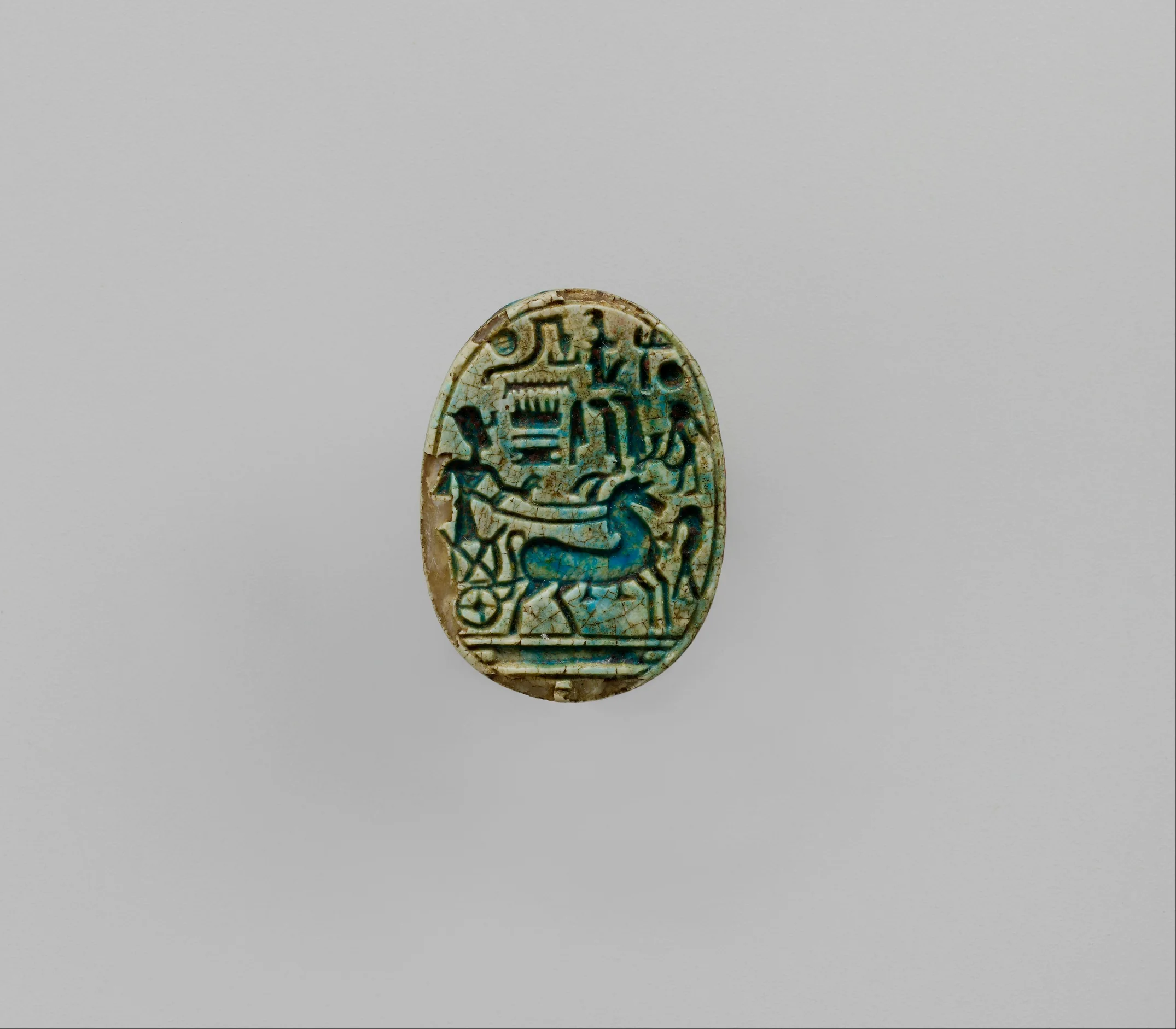
War chariots were important symbols and practical instruments of elite warfare during the Late Bronze Age. Egyptian and Hittite forces employed mobile units, although popular claims about fixed numbers, uniform chariot designs or guaranteed tactical superiority can exceed the surviving evidence. The military scene on an inscribed scarab of Ramesses II provides one small contemporary example of the visual language used to show royal triumph.
A scarab showing the king trampling an enemy is not a snapshot of Kadesh and must not be described as if it recorded a particular minute of the battle. Such artifacts show how a royal military identity circulated in smaller objects, while temple reliefs offered a much larger narrative program.
7. The Hittite attack and Egyptian response
Accounts describe a sudden Hittite attack against Egyptian units that were not fully assembled, followed by a forceful counteraction involving Ramesses and supporting troops. Modern reconstructions differ over the timing and importance of reinforcements. What matters most is the distinction between the battle narrative’s claim of rescue and victory and the strategic situation after the fighting.
The text’s repeated celebration of the king’s bravery is a source for royal representation as well as a source for military history. Historians analyze the wording, artwork and diplomatic consequences together, rather than letting any single monument settle the outcome of a complicated campaign.
8. What do the surviving Egyptian reliefs prove?
Battle scenes were carved at multiple Egyptian monumental sites, including the great temple at Abu Simbel and major Theban complexes. These images preserve details of how Egyptian kings wanted war to be remembered: disciplined troops, chariots, captured enemies and the formidable royal figure. They are primary sources for Egyptian royal ideology, even where the precise military events they claim to show are contested.
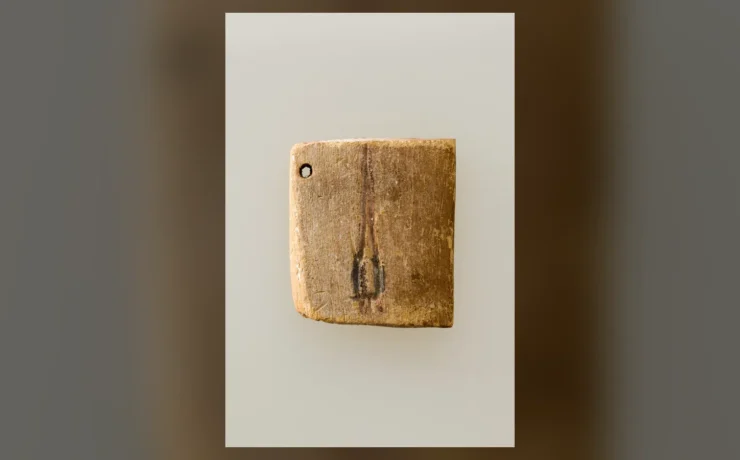
An image in this article of a Ramesside stela or palace tile is contextual evidence from the reign, not a photograph of a specific Kadesh relief. Students should read image captions carefully to distinguish authentic military iconography, administrative objects and later interpretive diagrams.

9. Who won the Battle of Kadesh?
Royal Egyptian inscriptions proclaim Ramesses’s triumph. Yet the balance of evidence does not support treating the battle as an uncontested, decisive Egyptian conquest of Kadesh. The Hittites retained substantial influence in the contested region, and scholarly discussions often describe the outcome as tactically ambiguous or strategically inconclusive. A simple victory/defeat checkbox erases the differences between propaganda, immediate combat and long-term territorial results.
An especially useful comparison is to ask whether the result changed control of the city and regional alliances in the way Egyptian expansion intended. A commemorative inscription can tell us what a ruler wished subjects to believe without offering a neutral political audit.
10. The later Egyptian–Hittite peace agreement
A diplomatic treaty associated with Ramesses II and the later Hittite king Hattusili III belongs to a period after Kadesh, commonly dated about 1259 BCE. The agreement is famous because Egyptian and Hittite versions illuminate ancient diplomacy and the relationship between competing powers. It was not signed on the battlefield immediately after the clash, and the opposing king at the battle was Muwatalli II, not Hattusili III.
The language of enduring peace, mutual assistance and royal relations demonstrates a shift from confrontation toward diplomatic accommodation. It is better described as one of the oldest surviving international treaties than as the first peace agreement ever made by humans, a claim impossible to prove for all past societies.
11. What the battle tells us about propaganda
Kadesh is a textbook case of why ancient victory narratives require source criticism. The royal account presents the king as isolated, fearless and favored by Amun, with an adversary whose role helps dramatize the monarch’s triumph. This does not mean every statement is invented, but it tells students to ask who commissioned the composition, where it was displayed and how it served a political audience.
Even the title “Poem of Pentaur” often used in older discussions reflects the manuscript and modern naming traditions; it should not be mistaken for an independent neutral eyewitness. A research essay should identify the textual tradition and the distinct relief compositions instead of citing an anonymous “ancient record.”
12. How to use royal objects as evidence
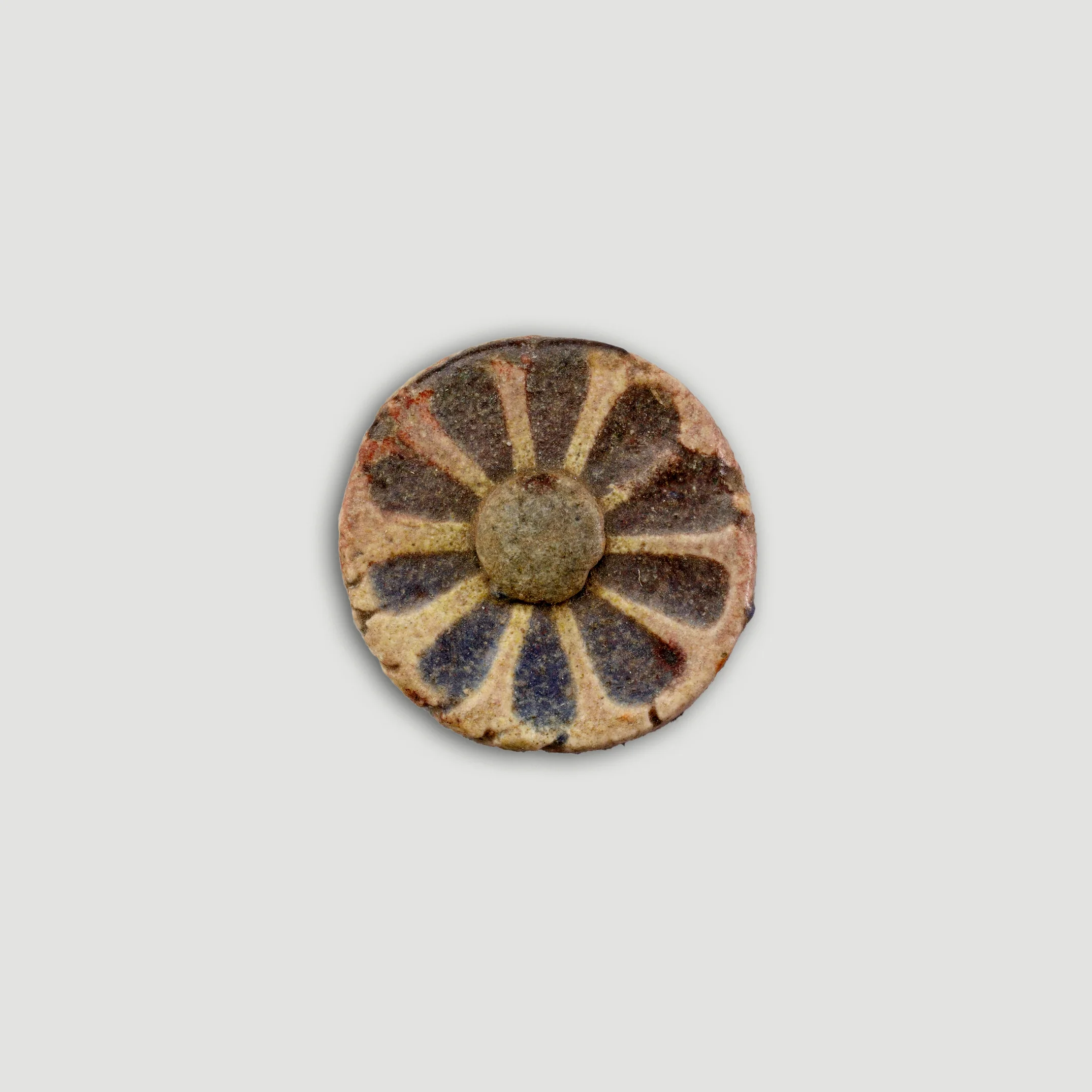
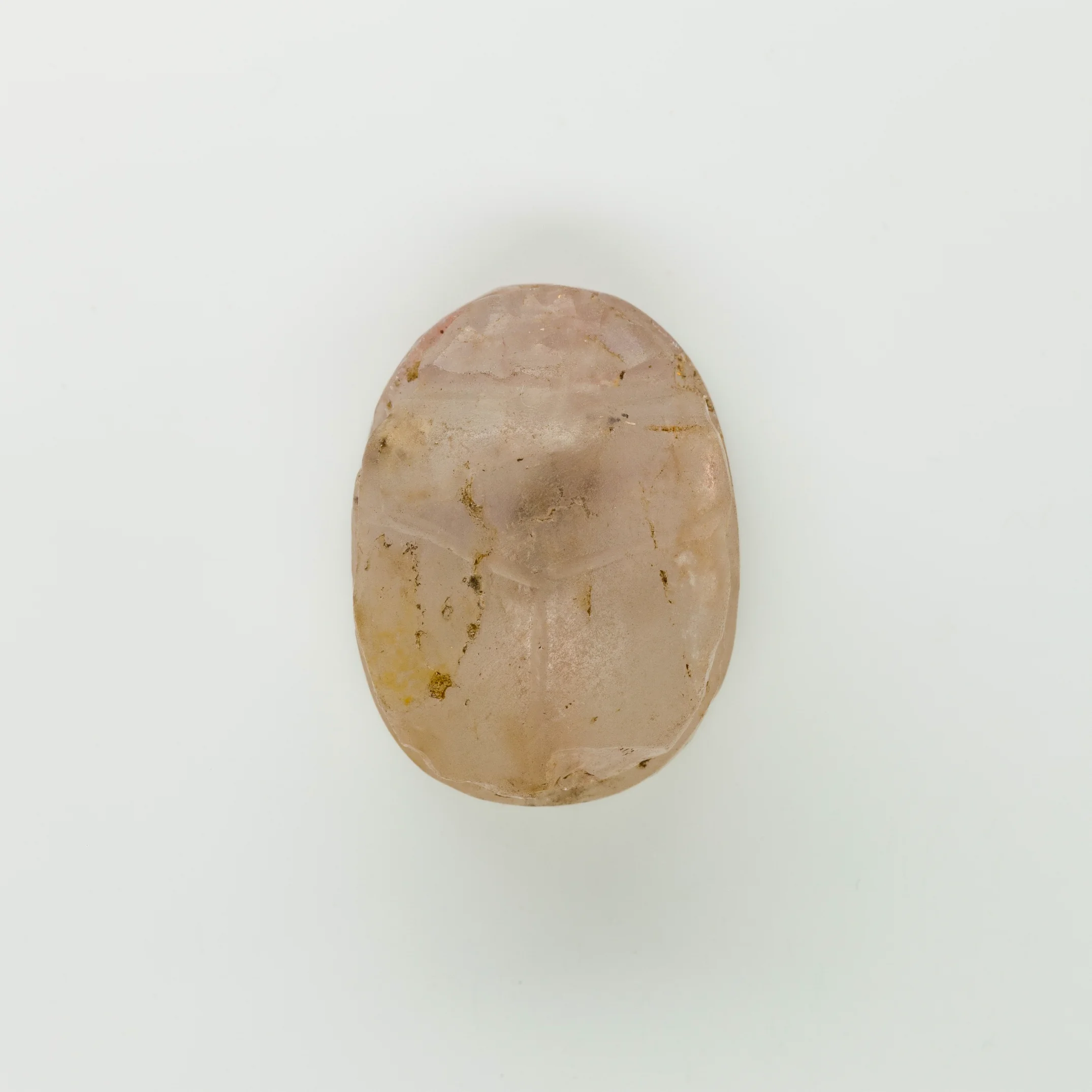
A scarab depicting Ramesses in a chariot helps document the image of victorious kingship. A stela mentioning his religious devotion gives context for the relationship between political power and temples. Tiles from the royal palace at Piramesse show a different world of courtly design and material culture. None of these objects independently proves how many chariots were present at Kadesh.
This hierarchy of inference is the basis of responsible Egyptology: first describe the artifact, then identify its production context, then ask which larger argument it can support. Students should avoid assigning an object to a particular battle solely because it belongs to Ramesses’s reign.
13. Chronology to remember
First, New Kingdom expansion placed Egyptian interests in northern Syria. Second, Ramesses’s campaign confronted Hittite power at Kadesh under Muwatalli II around 1274 BCE. Third, both empires maintained their respective political interests while subsequent diplomacy developed. Fourth, the later peace treaty was concluded under Hattusili III and Ramesses. Fifth, later commemorations made the battle a central part of royal image making.
A chronological summary helps prevent common mistakes: conflating the two Hittite kings, treating a long sequence of diplomacy as one battlefield moment, or assuming ancient territorial control corresponds exactly to modern borders.
14. Frequently asked questions
Where was Kadesh? Near the Orontes in the northern Levant, generally associated with a location in modern Syria. Was it a battle in Egypt? No. Did Ramesses fight the Hittites alone? No; the king commanded a complex military force, although Egyptian literary depictions dramatize personal heroism. Was there a clear winner? No uncontested decisive victory can be established from the surviving evidence. Did the peace treaty follow immediately? No, it belongs to a later diplomatic phase. Are the reliefs accurate photographs? No; they are ancient visual claims with political and religious aims.
undefined
15. Where to continue in Kemet Vault
Read the linked material on the New Kingdom through the Interactive Timeline, then compare the historical military narrative with artifacts cataloged by the Metropolitan Museum of Art. For travel guidance on the current Abu Simbel site, consult the separate cultural visitor guide rather than treating an account of thirteenth-century warfare as advice about modern tickets and transport.
This separation is deliberate: the war article answers historical questions, and the tourism guide explains the experience of visiting a destination today.
References and object records
The Met: The Art of Ancient Egypt, historical chronology and New Kingdom; The Met: New Kingdom historical overview; Egypt Museum: Battle of Kadesh and modern interpretation; Egyptian Ministry: Abu Simbel and the Ramesside relief program.
Related on Kemet Vault: New Kingdom timeline, Abu Simbel on the atlas and the separate Abu Simbel cultural travel guide.